Strategic Escalation: From Proxy Conflict to Direct Confrontation
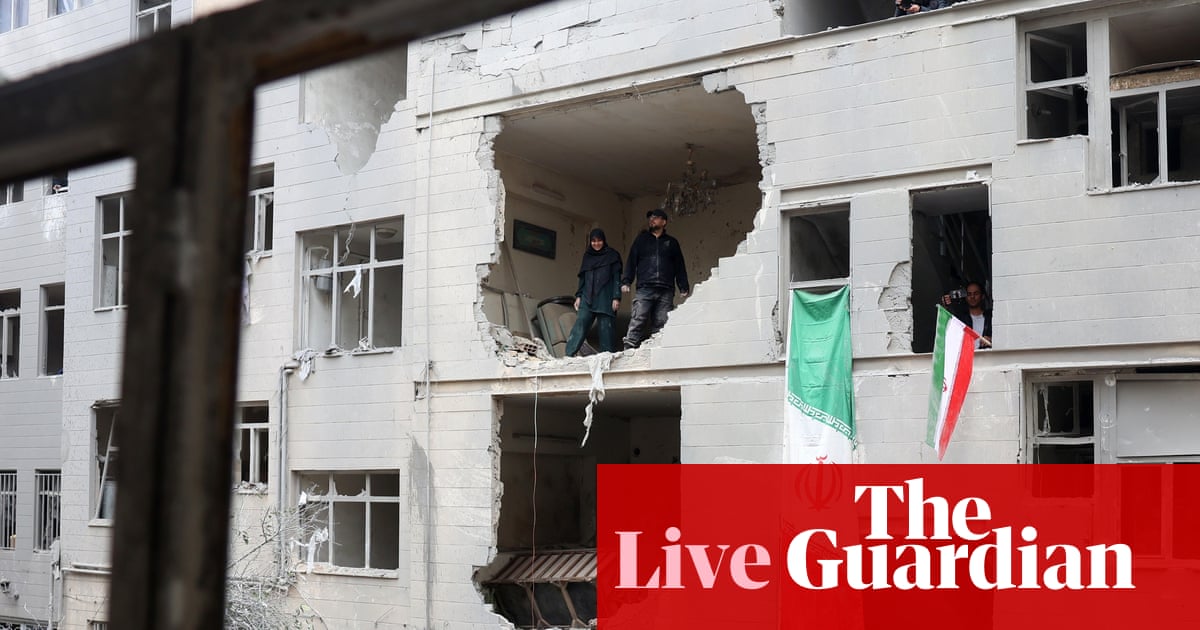
The conflict between Israel and Iran has entered a phase of heightened escalation, fundamentally shifting from proxy warfare to direct military confrontation. The documented strikes on Iran’s central Isfahan province—a critical hub for military infrastructure and Iran’s nuclear program—represent a calculated effort to degrade high-value assets rather than merely retaliate through proxy forces. This strategic pivot marks a significant departure from previous deterrence models, where hostilities were largely confined to specific theaters or third parties. The current dynamic suggests a willingness to engage in direct, albeit limited, strikes on sovereign territory, elevating the risk profile for a wider regional conflict and indicating a potential failure of long-standing deterrence strategies.
Operational Shift in Lebanon: Proximity Targeting and Strategic Displacement
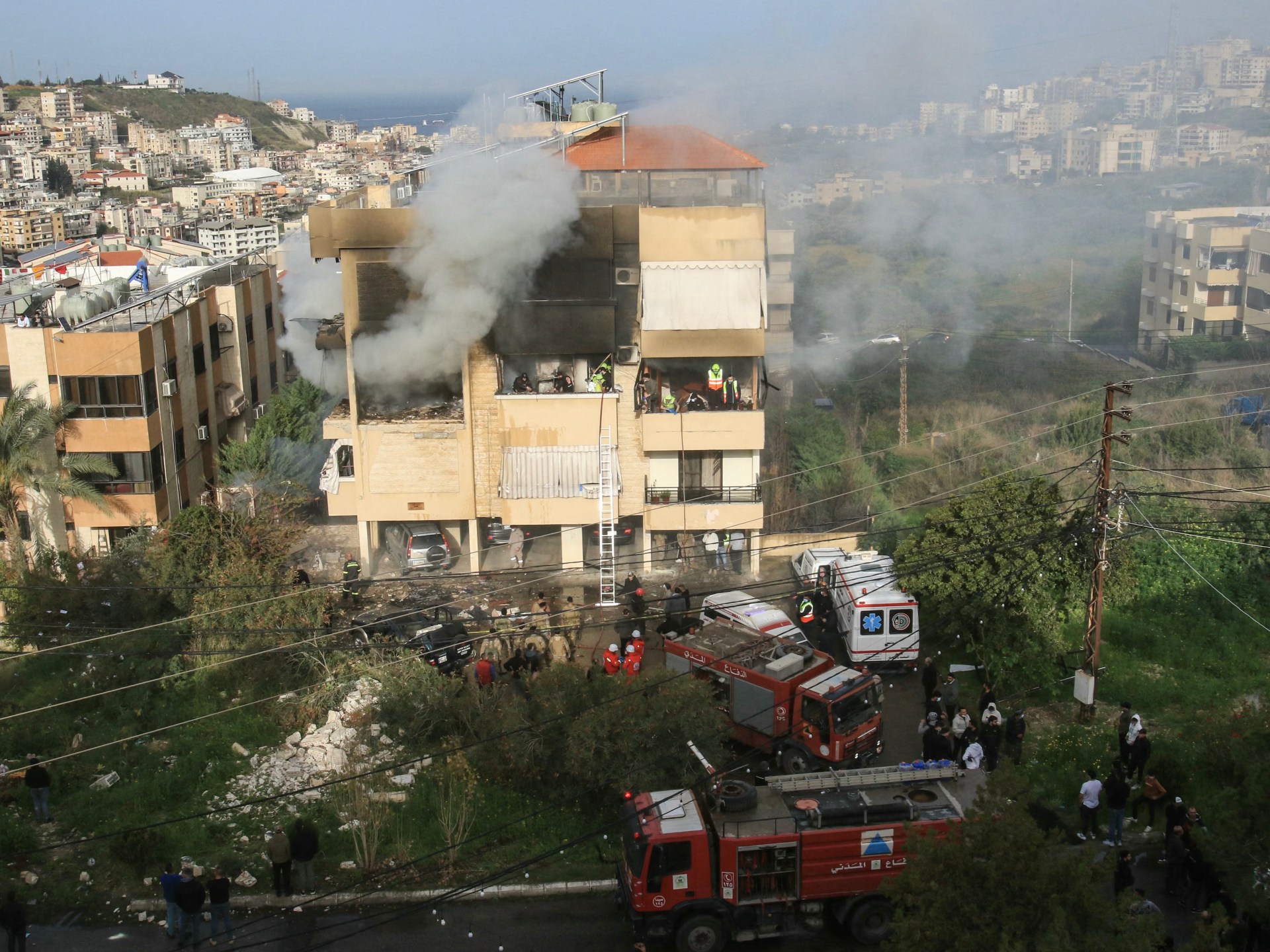
A critical development in the conflict’s expansion is Israel’s implementation of a proximity targeting policy in Lebanon. The Israeli military issued immediate evacuation orders for several neighborhoods in the southern suburbs of Beirut, specifically targeting areas recognized as strongholds for Hezbollah (Haret Hreik, Ghobeiry, Laylaki, Bourj el-Barajneh, Ghadir Perimeter, and Shiyah). This action signals a strategic shift from targeted strikes on specific individuals to a broader campaign aimed at dismantling Hezbollah’s infrastructure within densely populated civilian areas.
This approach places the burden of safety entirely on the civilian population, creating immediate humanitarian consequences, including mass displacement and infrastructure damage. The Israeli military spokesperson’s warning, stating that forces would target anyone present near “Hezbollah elements,” effectively establishes a policy of proximity targeting. This strategy raises significant operational and ethical complexities. It suggests a strategic goal of degrading Hezbollah’s operational capacity by targeting its infrastructure within its core support base, even at the cost of widespread civilian displacement, potentially creating a buffer zone or altering Hezbollah’s operational calculus.
The documented humanitarian impact in Lebanon, including 826 deaths and the killing of 31 health workers, underscores the devastating impact of these operations on civilian life and essential services. This mass displacement creates a humanitarian crisis that will require significant international intervention and potentially lead to long-term destabilization in Lebanon, extending the conflict’s consequences beyond immediate military objectives.
Global Economic Vulnerability: The Strait of Hormuz and Energy Leverage
The escalation of hostilities immediately highlights global economic vulnerabilities, particularly concerning energy supply chains and strategic chokepoints. The Strait of Hormuz, a critical transit route for a significant portion of the world’s oil supply, faces immediate threat of disruption. This vulnerability creates market volatility and strategic pressure on nations dependent on Gulf energy resources.
US President Donald Trump emphasized that allies relying on Gulf oil must contribute to keeping the Strait of Hormuz open. This statement underscores a strategic re-evaluation of alliances and responsibilities in the Middle East. It implies a shift in the burden-sharing model for maritime security, placing pressure on allies to commit resources or face potential supply interruptions. This approach transforms the regional conflict into a global economic challenge, impacting inflation, trade balances, and strategic energy reserves worldwide. The potential for disruption increases shipping insurance premiums, raises energy costs, and creates competitive advantages for non-Gulf energy producers, such as US shale.
Political Dynamics: Force-Based Diplomacy and De-escalation Barriers
The political landscape surrounding the conflict is shaped by strategic statements from key international figures. US President Donald Trump’s assertion that the US is “not ready” to make a deal to end the war suggests a specific strategic calculus. Rather than prioritizing immediate diplomatic solutions, this position implies a preference for continued military pressure or a strategic objective of weakening Iran before any negotiation takes place. This approach aligns with historical patterns of force-based diplomacy, where military action is used to create leverage before high-stakes discussions.
This US stance creates a significant barrier to immediate de-escalation, signaling that the current military actions are part of a broader strategy rather than an isolated incident. The lack of readiness for a deal suggests that the current level of conflict is deemed acceptable or necessary to achieve specific long-term goals, such as a decisive shift in the regional power balance. This position complicates the efforts of other international actors, like the UK, which are focused on mitigating the economic consequences and seeking immediate stability, highlighting a divergence in strategic priorities among key allies.