Institutional Historiography: Exorcising the Franco-German ‘Curse’
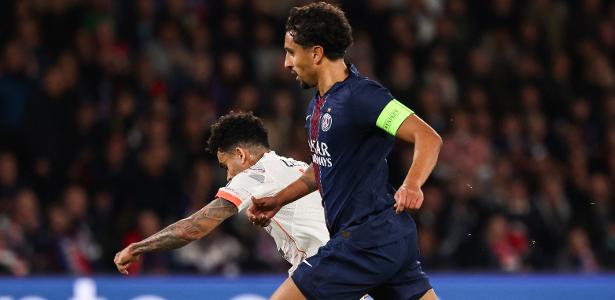
The 2026 UEFA Champions League semi-final between Paris Saint-Germain and Bayern Munich is a case study in the psychological friction between institutional legacy and modern squad engineering. For PSG, this fixture is burdened by a narrative of ‘maldición’ (curse), rooted in the 1996 UEFA Cup and the 2020 Lisbon final. These historical scars have historically dictated a level of tactical conservatism; however, the 2026 iteration suggests a paradigm shift. The internal pressure to overcome German efficiency is no longer just a sentimental hurdle but a structural benchmark for the club’s sporting maturation under Luis Enrique.
The Multinational Pivot: Squad Architecture and Technical Archetypes
A granular analysis of current squad demographics reveals a radical departure from traditional recruitment models. PSG has transitioned into an ultra-globalized entity, featuring only three French-born players in its primary rotation: Warren Zaïre-Emery, Désiré Doué, and Ousmane Dembélé. This prioritization of global technical profiles over domestic marketability indicates a strategic move toward ‘tactical archetypes’—selecting players based on their fit within a high-intensity system rather than national identity. Bayern Munich, while maintaining a slightly higher domestic core with Tah, Pavlović, Musiala, and Kimmich, mirrors this evolution toward physical dominance and aerial stability to counter the fluid positioning of contemporary elite attacks.
Managerial Synergy: High-Intensity Pressing vs. Positional Discipline
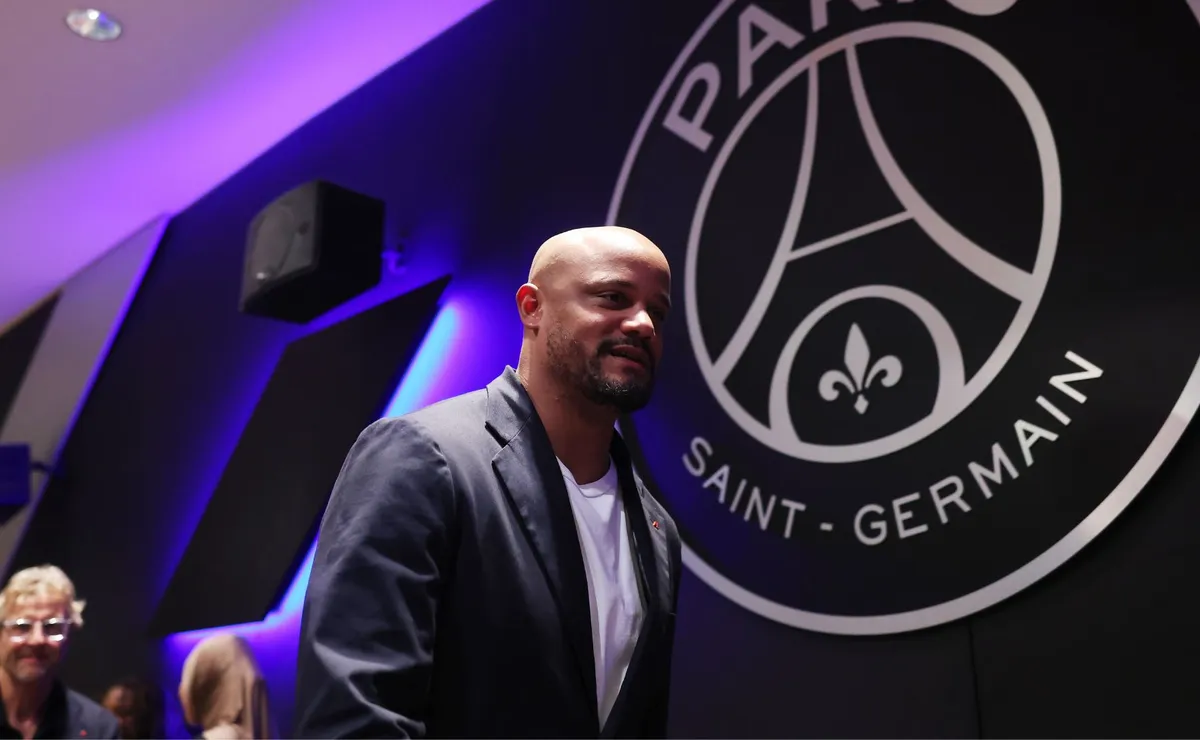
Vincent Kompany’s endorsement of the ‘Enrique Era’ highlights a mutual transition toward collective work-rate metrics. The current PSG side has abandoned the era of individualistic star power for a cohesive, high-pressing system characterized by aggressive recovery speed. Kompany’s Bayern, fresh from a tactical masterclass at the Santiago Bernabéu, relies on defensive transitions and the physical presence of Jonathan Tah to neutralize PSG’s creative triggers. The tactical battle will likely be won in the half-spaces, where the efficiency of the Pacho-Marquinhos partnership meets the creative output of Musiala.
Operational Risks: The Safonov Variable and Defensive Volatility
The selection of Matvey Safonov for the first leg introduces a significant operational variable. In high-stakes knockout football, goalkeeping stability is the primary insurance against territorial pressure. Safonov’s integration into a backline featuring Hakimi and Nuno Mendes suggests a focus on ball progression from deep, though it invites scrutiny regarding command of the penalty area. This defensive configuration must insulate itself from the local media’s obsession with historical failure, adopting a data-driven, clinical approach to neutralize Bayern’s established psychological leverage at the Parc des Princes.
Macro-Context: Arsenal and the Alternative Semi-Final Dynamic
In the parallel bracket, Arsenal’s tactical evolution is underscored by the acquisition of Viktor Gyökeres and Martín Zubimendi, signaling an investment in physical resilience. The absence of Kai Havertz shifts the creative burden to Martin Ødegaard and Bukayo Saka, facing a Diego Simeone-led Atletico Madrid that remains the gold standard for low-block defensive integrity. These dual semi-finals represent the pinnacle of modern footballing theory: a clash between the relentless territorial pressure of the Premier League and Ligue 1 models against the tactical discipline of the Bundesliga and La Liga giants.