Operational Analysis: The Sparks Wildfire and WUI Vulnerability
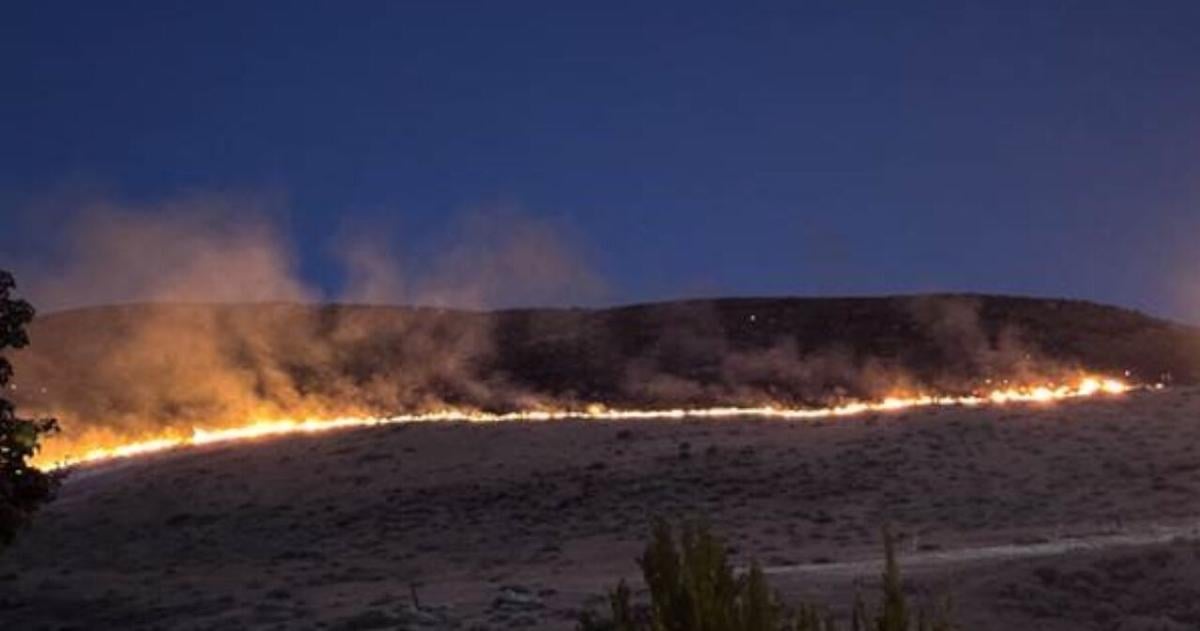
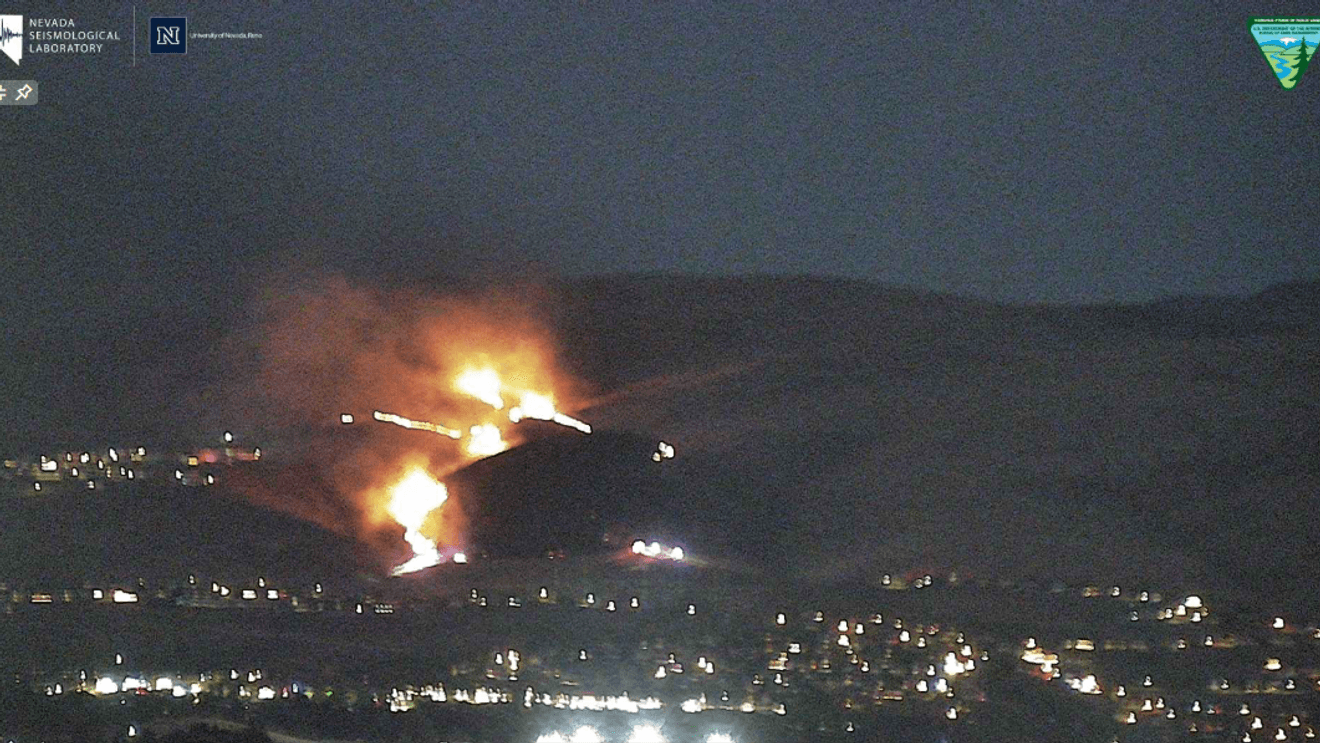
The vegetation fire initiated near Geno Martini Parkway and Garda Court in Sparks, Nevada, serves as a significant case study in Wildland-Urban Interface (WUI) risk management. Covering approximately 30 acres, the incident necessitated a pivot from traditional suppression to a resource-intensive structural protection posture near Vecchio Drive. This shift underscores the high capital cost of defending high-density residential assets against encroaching wildfires in the Great Basin region.
The joint response by the Sparks Fire Department and the Bureau of Land Management (BLM) highlights the necessity of multi-jurisdictional coordination. When fires originate near federal land but threaten municipal infrastructure, the logistics of resource allocation—ranging from air support to hand crews—must be managed through a unified command structure to prevent operational friction and ensure seamless transition across jurisdictional boundaries.
Utility Strategy: Preventive De-energization as Risk Mitigation
NV Energy’s implementation of tactical de-energization during the blaze reflects a modern paradigm in utility liability and safety management. By preemptively cutting power to the Vecchio Drive vicinity, the provider prioritized the elimination of secondary ignition risks and the safety of ground crews over service continuity. While this protects personnel from high-voltage hazards during suppression efforts, it simultaneously highlights the economic trade-offs of localized outages, impacting commercial operations at major retail nodes like the nearby Safeway.
The decision to maintain a 24-hour presence on-site, despite cooling nighttime temperatures, indicates a conservative assessment of fuel volatility and terrain challenges. As Sparks Fire Chief Walt White noted, the ‘not great’ terrain restricts heavy equipment mobility, forcing leadership to rely on defensive ‘boxing in’ maneuvers rather than direct attacks in hazardous topographical areas.
Governance and Digital Integration in Crisis Management
The management of evacuations via PerimeterMap and Watch Duty signifies the increasing digitization of public safety. These tools provide real-time transparency, reducing the cognitive load on affected residents and streamlining the administrative burden on law enforcement. The utilization of the Sparks Library as a centralized evacuation hub further illustrates how municipal infrastructure is leveraged to manage the social displacement costs inherent in WUI events.
From an institutional perspective, the Sparks fire emphasizes the ongoing financial exposure of Western municipalities to environmental volatility. The speed of utility restoration and the long-term impact on local insurance premiums remain critical post-incident metrics. Ultimately, the successful defense of structures in this incident reinforces the effectiveness of early intervention and the strategic integration of utility operators into the emergency response framework.