
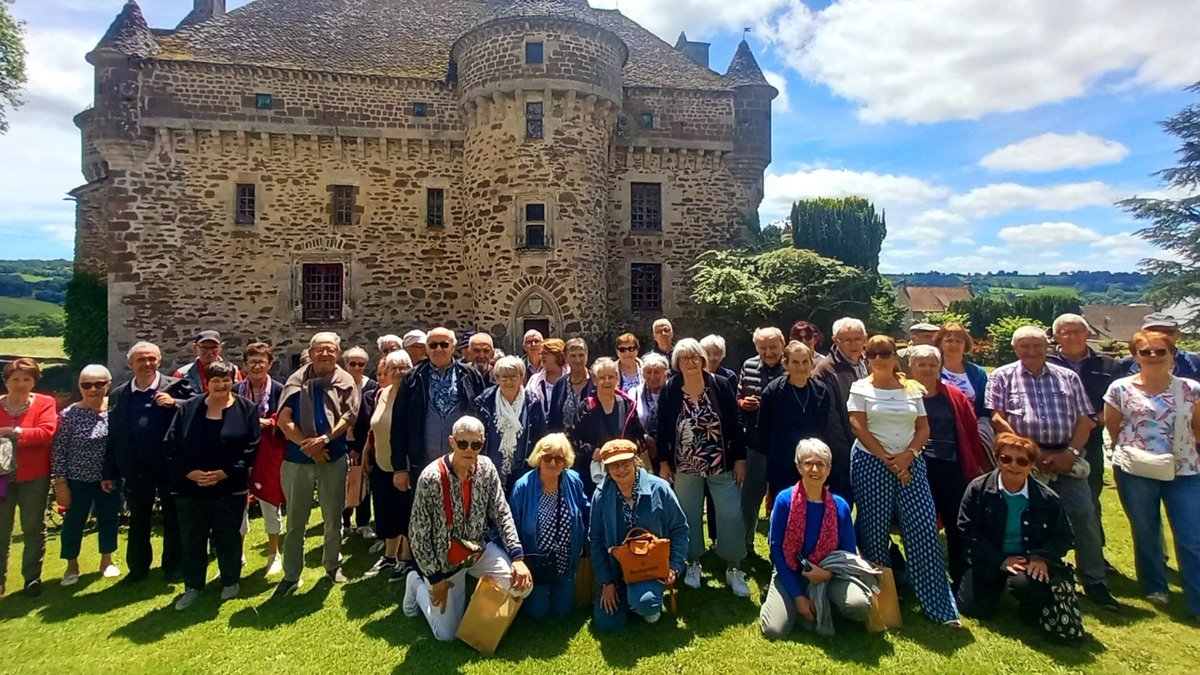
The Structural Role of Regional Associations
The excursions organized by associations such as ‘Lo Sérado’ serve as a model for decentralized economic development. By coordinating travel across French departments, these groups function as micro-aggregators of consumer demand, funneling capital into rural heritage sites and artisanal producers often excluded from mainstream commercial tourism networks.
This model fosters financial sustainability for high-maintenance historical assets like the Chateau d’Auzers. By integrating private heritage ownership into community-led tourism circuits, these associations ensure the capital inflows necessary for structural preservation. This symbiosis transforms static historical monuments into active contributors to the regional service economy.
Operational Dynamics: Integrating Experience and Infrastructure
Heritage sites increasingly utilize a hybrid operational model that marries historical education with hospitality. The transition from passive viewing to interactive experiences—such as guided tours coupled with dining—is essential for the fiscal viability of rural properties. Furthermore, natural landmarks like the cascade of Salins act as vital anchors, encouraging visitors to circulate spending throughout local retail and hospitality clusters, thereby maximizing the regional economic footprint.
Artisanal Branding and the ‘Terroir’ Economy
The inclusion of artisanal manufacturers, such as Brasserie 360, highlights a strategic shift toward value-added agricultural production. By anchoring brand identity in the specific volcanic geology and heritage of the Cantal region, producers increase their product’s perceived value. These pedagogical workshops move beyond commodity sales to create high-margin experiences that are more resilient to global market fluctuations than mass-produced alternatives.
Institutional Impact and Future Scalability
Associations act as informal institutional networks, mitigating the systemic over-concentration of tourism in major urban centers. By curating experiences that bridge the gap between individual consumers and local providers, they ensure a steady influx of revenue into rural departments. Looking forward, the long-term sustainability of this framework depends on maintaining the tension between authentic cultural preservation and the operational efficiency of modern, digitally-integrated tourism management.

Photo by ChiemSeherin on Pixabay.