
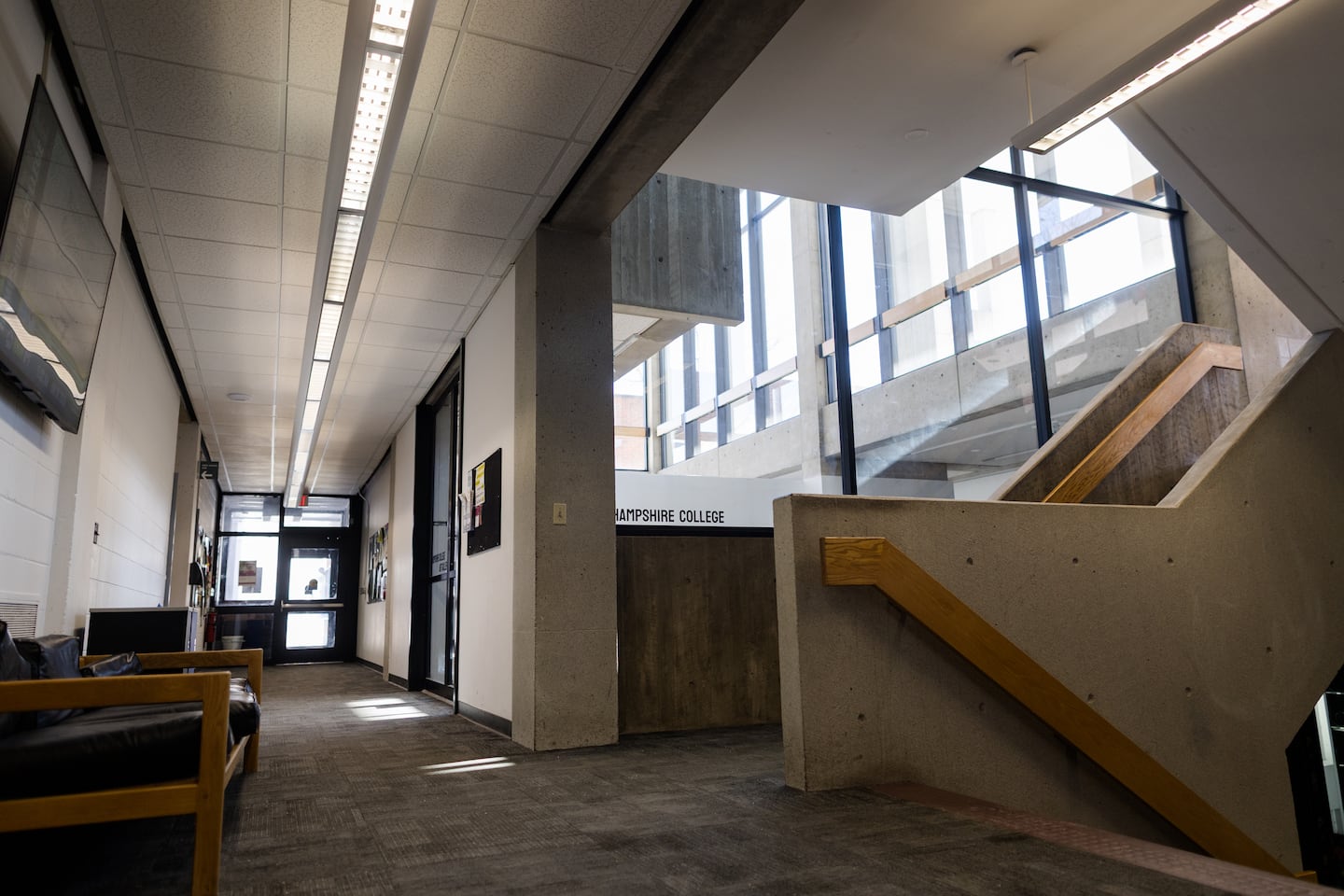
Hampshire College to Close, Signaling Strain on Liberal Arts Model
After nearly six decades, Hampshire College has announced its intention to close, a move that starkly illustrates the mounting financial pressures confronting unconventional liberal arts institutions. This decision follows persistent financial challenges that proved insurmountable, even after a five-year sustainability plan initiated in 2019. The plan’s objectives—to bolster enrollment, secure significant fundraising, and leverage institutional assets—ultimately fell short.
College leadership attributed the closure to complex operational financial pressures, intensified by evolving external factors. Despite a substantial fundraising effort that raised $55 million of a $60 million target, key financial sustainability metrics remained unachieved, leading to the difficult decision to cease operations.
Strategic Plan Shortfalls and Financial Constraints
The 2019 sustainability plan, enacted after a near-closure that year, hinged on three core strategies: increasing student enrollment, executing a capital campaign, and optimizing the use of college assets, including land. The $5 million shortfall in the capital campaign directly impacted the college’s capacity for essential investments in academic innovation, infrastructure upgrades, and student support services, critical components for institutional competitiveness.
The reliance on land as a leveraged asset also reflects a broader trend where smaller institutions are increasingly pressured to monetize their physical campuses. This strategy, however, carries significant long-term implications for campus identity and the core academic mission.
Ecosystem Impact and Consortium Dynamics
Hampshire College’s closure will undoubtedly affect the Pioneer Valley and the Five College Consortium, which includes Amherst, Mount Holyoke, Smith, and UMass Amherst. The consortium, designed to enrich the academic ecosystem through shared resources and inter-institutional collaboration, now faces a significant recalibration.
The departure of a member institution with a distinct pedagogical approach alters the intellectual and cultural landscape of the consortium. Remaining members must now assess how to compensate for the loss of Hampshire’s unique contributions to inter-institutional course sharing, faculty collaboration, and student exchange programs. While larger members like UMass Amherst may absorb some of the impact, the reduction in institutional diversity represents a tangible loss of academic breadth within the consortium.
External Pressures and Liberal Arts Viability
College President Jennifer Chrisler cited “shifting external factors” as a contributing element to the college’s financial distress. This likely refers to industry-wide challenges facing liberal arts colleges, particularly those with unconventional models, including increased competition from vocationally focused programs and larger public universities. Demographic shifts, evolving student and parental expectations regarding return on investment, and the rising costs of specialized education exacerbate this environment.
Hampshire’s struggle highlights the difficulties smaller, independent institutions face in maintaining financial viability amidst macro-economic and societal pressures, prompting a critical re-evaluation of the long-term sustainability of liberal arts educational models.
Operational Leverage and Strategic Recalibration
The failure of Hampshire’s financial sustainability plan suggests a misalignment between its strategic goals and prevailing market conditions or operational realities. The plan’s dependence on enrollment growth and substantial external funding indicates an operational model requiring continuous expansion and capital infusion for solvency.
When these fundamental drivers falter, institutions face difficult recalibrations, often necessitating drastic measures. The decision to close, rather than pursue further restructuring or mergers, indicates leadership’s assessment that closure was the most responsible, albeit painful, path forward given insurmountable financial headwinds.
Fundraising Performance and Capital Needs
While raising $55 million is a considerable fundraising achievement, its insufficiency to meet the $60 million goal underscores the gap between donor support and the extensive operational costs and strategic investments required for long-term institutional health. This outcome may also signal shifts in philanthropic priorities, with donors potentially becoming more selective or focusing on institutions demonstrating clearer paths to sustained impact.
For other institutions facing similar financial precarity, Hampshire’s experience serves as a critical cautionary tale. It emphasizes the vital importance of robust financial planning, diversified revenue streams, and the capacity for agile adaptation to unpredictable market dynamics.
Stakeholder Implications and Future Trajectories
Hampshire College’s closure has profound implications for its students, faculty, staff, alumni, and the broader Pioneer Valley community. Students face the disruption of transferring institutions, potentially altering academic paths and incurring additional expenses. Faculty and staff face job displacement, impacting their careers and the local economy. Alumni, who supported the college’s unique mission, witness the dissolution of an institution integral to their formative experiences. The community will experience an economic and cultural void left by the college’s absence.
Sectoral Exposure and Competitive Landscape
Hampshire’s closure exposes inherent vulnerabilities within the liberal arts sector, especially for institutions prioritizing pedagogical innovation and unconventional approaches over traditional enrollment growth. The higher education competitive landscape is increasingly defined by consolidation, the rise of online learning, and a greater emphasis on demonstrable career outcomes—factors that exert pressure on smaller, specialized institutions.
The financial strain experienced by Hampshire is not an isolated incident but reflects a broader trend of financial precarity among many private colleges. This situation necessitates a critical examination of the business models supporting liberal arts education and the strategies required for sustained relevance and financial stability in a rapidly evolving educational market.
Institutional Strategy and Long-Term Viability
The strategic decision-making process leading to Hampshire’s closure, driven by financial necessity, also reflects a long-term assessment of the institution’s adaptability and prospects for thriving. The failure of the five-year plan suggests that underlying structural issues were more deeply entrenched than anticipated, or that the external environment shifted more rapidly than the plan could accommodate.
For remaining liberal arts institutions, Hampshire’s fate serves as a stark reminder of the imperative for continuous strategic evaluation, agile adaptation, and the cultivation of resilient financial and operational frameworks. The ability to attract and retain students, secure adequate funding, and maintain a distinctive academic mission are paramount for navigating the complexities of the modern higher education sector.
Photo by msdlibrary on Pixabay.