Systemic Vulnerability in Urban Water Infrastructure
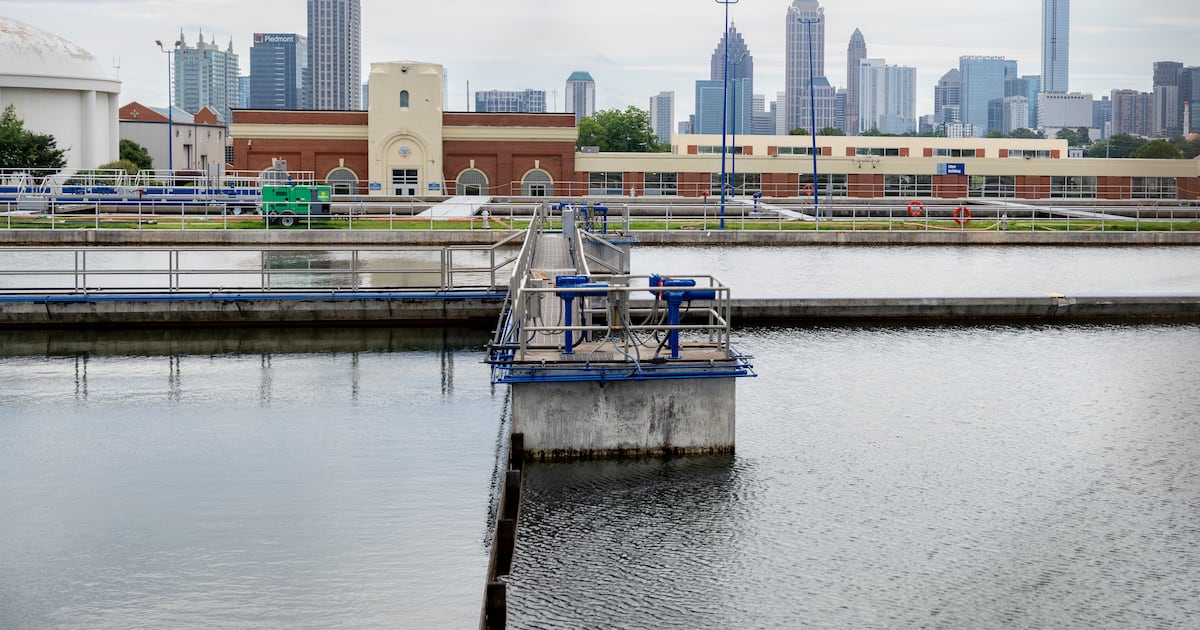
The recent boil water advisory issued by the Atlanta Department of Watershed Management (DWM) exposes the inherent fragility of centralized municipal water systems. A power failure at the Hemphill Water Treatment Plant triggered a cascading failure, necessitating city-wide precautionary public health mandates. This event underscores the vulnerability of urban utilities to single-node infrastructure failures and the necessity for enhanced energy redundancy.
Regulatory Protocols and Defensive Compliance
Operating under Georgia Environmental Protection Division (EPD) mandates, the DWM utilizes boil water advisories as a standardized risk-mitigation tool. This institutional posture prioritizes legal and public health compliance to hedge against potential contamination liabilities. The reliance on rigorous laboratory sampling to lift these orders illustrates the conservative methodology required to restore baseline safety parameters, effectively offloading operational risks to the end-user during the testing duration.
Stakeholder Economic and Logistical Exposure
The geographic scope of the advisory exerts significant downward economic pressure on commercial sectors and high-density residential zones. Businesses face immediate operational friction, necessitating costly modifications to sanitation and food service workflows. For the public, the advisory increases the complexity of daily life, particularly for vulnerable populations, highlighting the social equity gaps that emerge when core utility services are compromised.
Infrastructure Hardening and Future Capital Allocation
The Hemphill incident serves as a critical stress test for Atlanta’s infrastructure strategy. As urban density increases, the failure of a primary treatment facility creates outsized regional instability. Future capital expenditure must prioritize power-grid hardening and automated, real-time diagnostic reporting to replace legacy notification systems. Strengthening these assets is essential to maintaining institutional credibility and ensuring the consistent delivery of potable water in a high-demand environment.
Strategic Conclusion
The Atlanta boil water advisory reinforces the complex interplay between aging infrastructure and modern regulatory demands. Beyond the immediate technical resolution, the DWM faces the challenge of long-term asset modernization. Future resilience hinges on redundant systems and transparent, data-driven communication, which are the primary determinants of public trust during municipal utility crises.