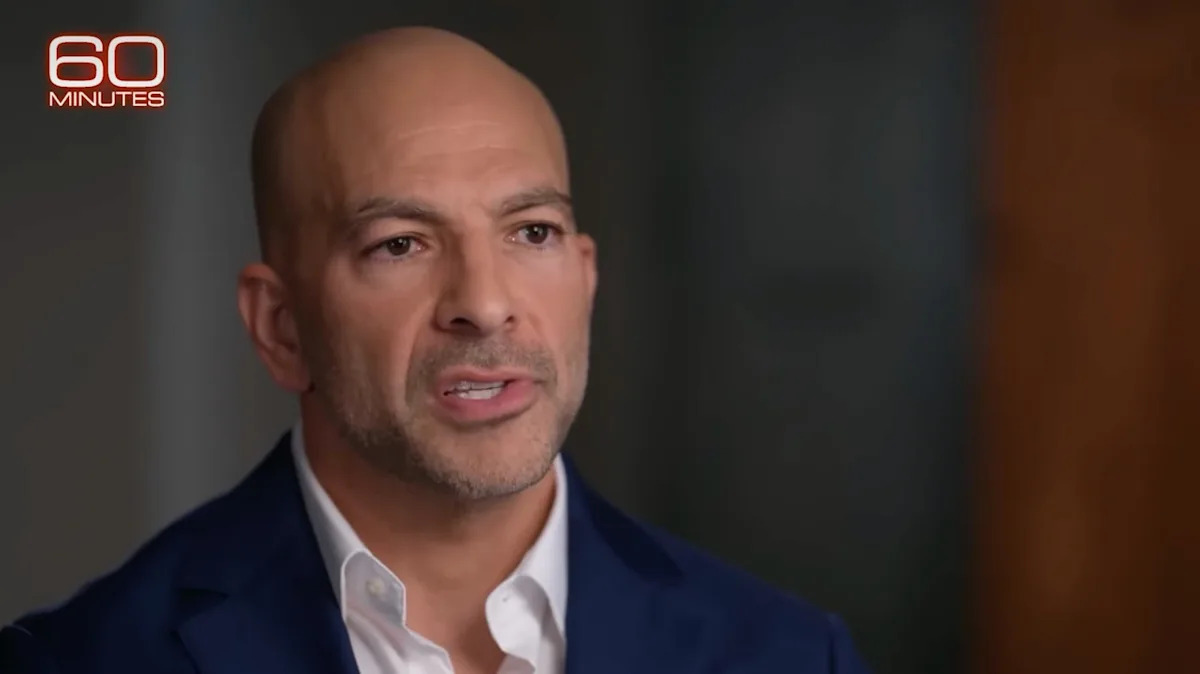
The abrupt resignation of Dr. Peter Attia from his position as a CBS News contributor illustrates an acute institutional friction between the ‘creator economy’ expertise model and legacy media’s stringent vetting protocols. This departure, precipitated by the release of Department of Justice files detailing a history of engagement with Jeffrey Epstein, highlights the fragility of personal brand equity when integrated into traditional journalistic frameworks.
Attia, a prominent authority in longevity science, vacated his newly minted role immediately following the public disclosure of email exchanges with the convicted sex offender. Framed by his representatives as a proactive measure to mitigate ‘distraction,’ the move signals a strategic attempt to insulate his primary wellness platform from the fallout of a secondary media controversy.
Systemic Failures in Institutional Due Diligence
The timing of Attia’s exit—occurring before his tenure meaningfully matured—suggests a significant breakdown in preliminary due diligence. For a Tier-1 network, the presence of a contributor within over 1,800 entries of an investigative cache presents an existential challenge to editorial authority and brand safety. The incident exposes a vulnerability in modern hiring: the prioritization of niche authority and digital reach over comprehensive background scrutiny.
Internal decision-making at CBS was likely catalyzed by the specific optics of the interactions. While no criminal allegations have been leveled against Attia, the documentation of a ‘chummy’ rapport with Epstein post-2008 conviction creates a reputational liability that contemporary media organizations are increasingly structurally incapable of absorbing. This reflects a broader industry trend where association, regardless of legality, triggers immediate corporate decoupling.
Chronology and Character of the Epstein Correspondence
The DOJ files reveal a relationship spanning much of the 2010s, a period definitively following Epstein’s initial conviction. This timeline is the critical variable for stakeholders; it indicates that engagement occurred while Epstein’s status as a convicted felon was a matter of public record. For a medical professional whose brand is built on rigorous judgment, this timeline presents a significant narrative contradiction.
The content of the communications—ranging from crude humor to discussions on bio-medical longevity—undermines the defense of a purely clinical or arm’s-length professional interaction. Furthermore, revelations regarding Attia’s presence in Epstein’s company during personal family crises add a layer of intimacy that complicates the ‘professional expert’ persona. Such disclosures effectively nullify the objectivity required of a national news contributor.
Market Pressures and the ‘Distraction’ Narrative
The resignation was accelerated by external pressure and high-visibility critiques, notably from HBO’s John Oliver. Such public scrutiny often serves as a catalyst for corporate action, forcing networks to quantify the value of a specific contributor against the potential for sustained brand erosion. Within the industry, the Attia case has polarized observers, with some advocating for immediate termination and others, like Dan Abrams, seeking a more nuanced approach to professional accountability.
The use of the term ‘distraction’ in the resignation statement functions as a standard linguistic tool for strategic decoupling. It allows the individual to exit without a formal admission of fault while permitting the institution to truncate the news cycle. This rapid separation is essential for CBS to maintain focus on its core journalistic output and avoid a defensive posture regarding its internal vetting mechanisms.
Broader Implications for the Longevity Industrial Complex
Attia’s departure has ripple effects within the high-net-worth longevity and wellness sector. The disclosure that he discussed health optimization with Epstein highlights the intersection of cutting-edge science and the global elite—a space Epstein navigated with predatory precision. This connection may prompt commercial partners and research institutions to re-evaluate their affiliations with figures named in the DOJ files to mitigate ‘reputational contagion.’
Ultimately, the Attia-CBS separation serves as a case study in the modern reputational landscape. It demonstrates that in an era of data transparency, historical associations are subject to retrospective analysis that can decisively derail contemporary professional trajectories. For legacy media, the lesson is one of renewed rigor; for the ‘celebrity expert,’ it is a reminder that digital-native platforms offer more protection than the high-scrutiny environment of traditional broadcast journalism.