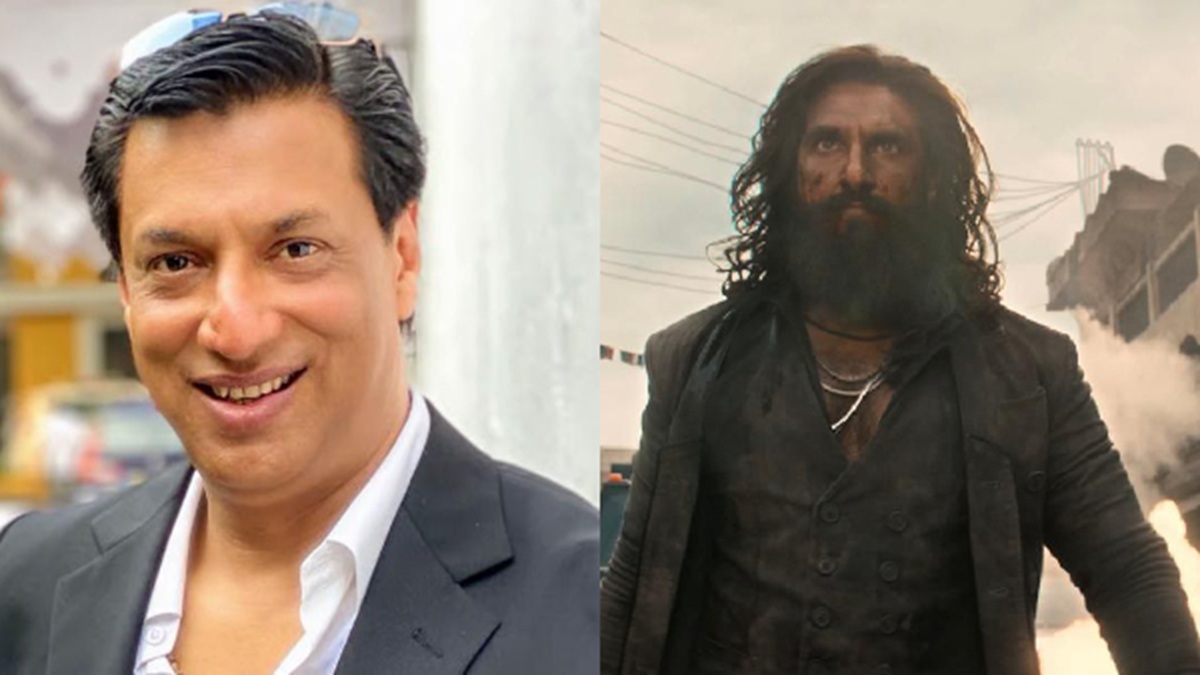
Ranveer Singh’s High-Commitment Strategy Contrasts Industry Risk Aversion, Say Filmmakers
The success of the action-espionage saga ‘Dhurandhar: The Revenge’ has brought into sharp focus the strategic value of high-commitment acting in a rapidly evolving market. Filmmakers Anurag Singh and Madhur Bhandarkar have recently praised actor Ranveer Singh, highlighting a growing structural divide between high-commitment actors and broader industry trends toward risk aversion and short-form content creation.
Director Anurag Singh, known for ‘Border 2,’ underscored Ranveer Singh’s versatility as a key competitive differentiator. Singh praised Ranveer’s ability to transcend regional identity and embody diverse characters, noting his initial surprise upon seeing Ranveer’s breakthrough performance in ‘Band Baaja Baaraat,’ having assumed the actor was from Delhi or Haryana due to the authenticity of the portrayal. This strategic choice to pursue challenging, transformative roles—what Singh referred to as a refusal to play it safe—is directly linked to Ranveer Singh’s market positioning and critical acclaim.
The Strategic Value of Deep Immersion
National Award-winning filmmaker Madhur Bhandarkar offered deeper insight into the operational benefits of Ranveer Singh’s high-commitment approach, specifically analyzing his performance in ‘Dhurandhar.’ Bhandarkar stated that Ranveer dedicated “2 or 3 years of his life” to the role, emphasizing the rarity of such immersion in the current industry landscape. This level of dedication, according to Bhandarkar, is crucial for delivering the kind of “unbelievable performance” that creates a lasting impact, as evidenced by the reported “Hamza fever” among audiences. Bhandarkar’s analysis suggests that high-commitment acting functions as a scarce resource, creating significant competitive advantage for actors who are willing to undertake such intensive transformations.
Industry Structural Barriers: Risk Aversion and Short-Form Content
The discussion extends beyond individual performance to broader industry-wide strategic decisions. Bhandarkar voiced a critique of the general lack of commitment in Bollywood actors, illustrating this point with a hypothetical scenario involving a subject similar to the film ‘Pushpa.’ He suggested that many actors in the Mumbai film industry would avoid such projects due to the physical or psychological demands, highlighting a prevailing culture of risk aversion. This calculation, driven by a desire for high-volume work or lower personal risk, creates a structural barrier to producing transformative, high-impact cinema.
Bhandarkar’s commentary further contextualized this shift by critiquing declining music standards. Speaking at the Red Lorry Film Festival 2026, he lamented the transition from full songs with multiple stanzas to short-form content designed for 30-second Reels. This strategic shift reflects a fundamental change in content consumption patterns, where audience attention spans are optimized for rapid, high-impact hooks rather than sustained narrative or musical development. The focus on short-form content reinforces the industry’s risk aversion, potentially diminishing long-term artistic and commercial viability by prioritizing viral marketing over deep storytelling.
Market Positioning and Competitive Leverage
The convergence of these observations highlights a critical juncture for the industry. The success of ‘Dhurandhar’ validates the strategic decision to invest heavily in deep character immersion, demonstrating that high commitment can yield exceptional commercial results. This creates a competitive dynamic where actors like Ranveer Singh, who are willing to take on challenging, transformative roles, gain significant leverage and market differentiation. Conversely, the industry’s widespread risk aversion and focus on short-form content create a structural vulnerability. While short-term gains from formulaic projects and viral marketing may be appealing, they risk diminishing the long-term artistic and commercial viability of high-leverage cinema.
The documented facts suggest a tension between two competing models for success in the entertainment industry. One model, exemplified by Ranveer Singh’s commitment, prioritizes deep immersion and long-term dedication to achieve high-leverage results. The other model, characterized by short-form content and risk aversion, prioritizes efficiency and lower personal investment. The market response to ‘Dhurandhar’ indicates that audiences continue to value the former, creating a potential incentive for actors and studios to re-evaluate their strategic priorities.