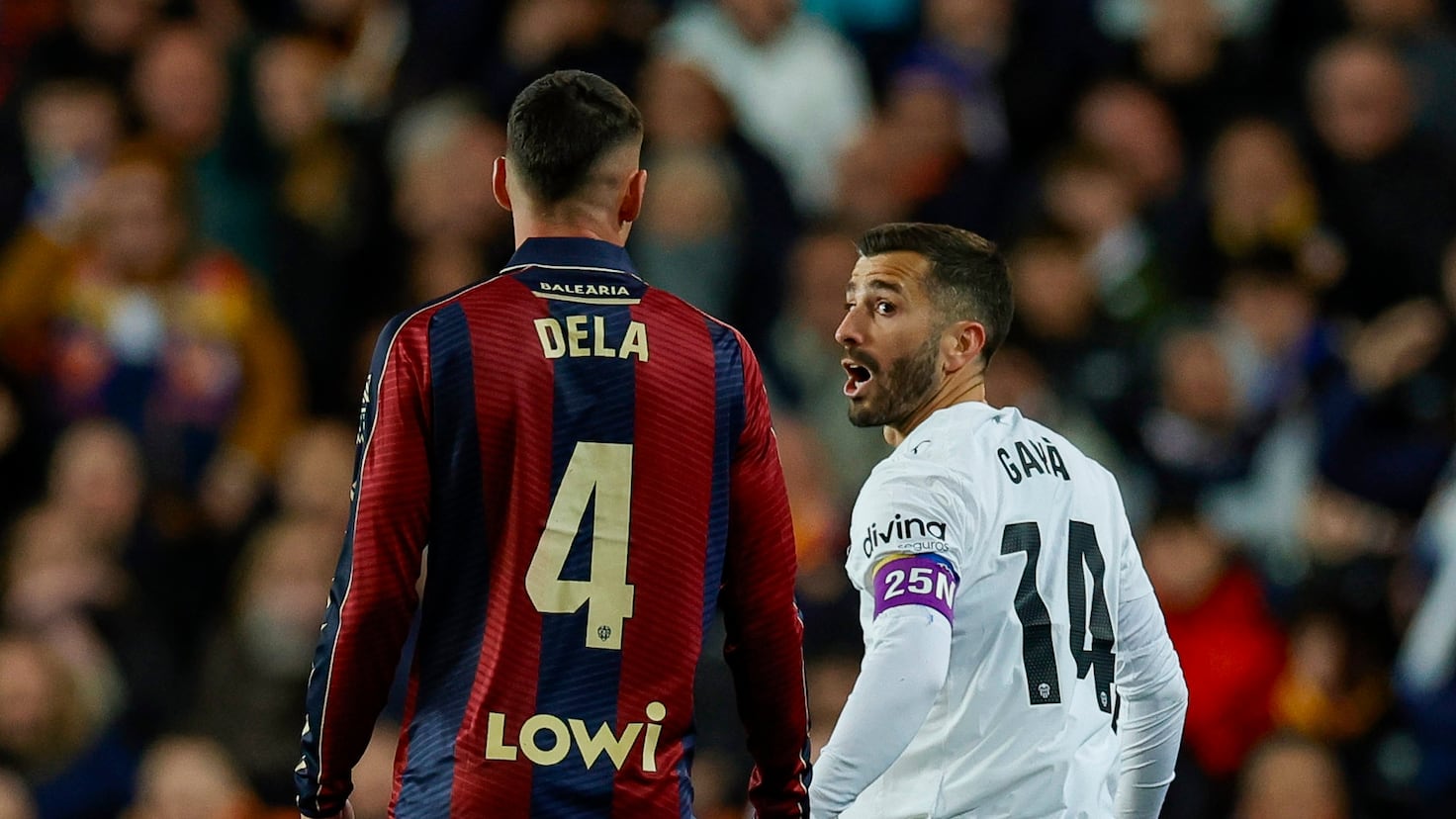
The upcoming fixture between Levante UD and Valencia CF at the Ciutat de València transcends localized rivalry, serving as a diagnostic indicator of structural and operational decline. Historically defined by Valencia’s competitive hegemony, the current derby landscape reveals a convergence of mediocrity driven by systemic mismanagement and financial volatility.
Institutional Devaluation: Valencia CF Under Meriton Holdings
The transition of Valencia CF from a perennial Champions League contender to a side hovering one point above the relegation zone is the logical outcome of a decade of institutional erosion under Meriton Holdings. This shift has compromised the club’s competitive leverage, forcing a reliance on a squad lacking the depth required to mitigate the high-risk exposure of LaLiga EA Sports.
Administrative decision-making, once rooted in sporting expertise, has been superseded by a model prioritizing short-term financial maneuvers. Consequently, the club’s valuation is now intrinsically tied to its ability to avoid the catastrophic revenue loss associated with a second-division descent. Within this framework, technical director Gourlay’s support for manager Corberán acts as the sole buffer against the immediate pressures of a dissatisfied fanbase and the looming technical collapse of the project.
Levante UD: Tactical Pivots and the Home-Form Paradox
Levante UD enters the derby in a state of heightened desperation, occupying the relegation zone with 18 points. Their status as the worst home performer in the division highlights a fundamental failure to leverage the Ciutat de València as a competitive fortress. The appointment of Luis Castro as head coach represents a calculated operational shock designed to instill defensive resilience.
While Castro has achieved marginal gains in tactical discipline—evidenced by draws against elite opposition—consistency remains elusive. For Levante, the derby is an existential pivot; the financial delta between top-flight football and the second tier represents a terminal threat to their long-term solvency. Mid-season leadership changes underscore the gravity of this threshold.
Strategic Irony and the Núñez Case Study
The situation surrounding Núñez illustrates the intersection of individual performance and recruitment failure. Despite his physical unavailability for the derby, Núñez remains the focal point of Levante’s media narrative, projecting an optimism that masks statistical reality. Ironically, Valencia’s prior identification of Núñez as a high-priority target—and their subsequent failure to finalize the acquisition—reflects an institutional incapacity that has strengthened a direct rival while weakening their own offensive options.
The Relegation Threshold: Economic and Tactical Consequences
The tactical clash between Corberán and Castro will likely be defined by risk aversion. Valencia’s defense, led by Cömert and Tárrega, must counter Levante’s aerial threats, while the absence of Thierry Rendall and Danjuma strips Valencia of essential transition speed. This reliance on a fatigued core group—including Pepelu and Gayà—is a direct consequence of Meriton-imposed austerity measures.
Ultimately, the Orriols derby is a microcosm of Valencian football’s current state: a mixture of historical prestige and contemporary survivalism. With tickets selling out in minutes, fan engagement remains a resilient asset that administrative leadership has failed to capitalize on. The result will provide immediate clarity on which institution possesses the psychological fortitude to navigate the final third of a high-stakes season.