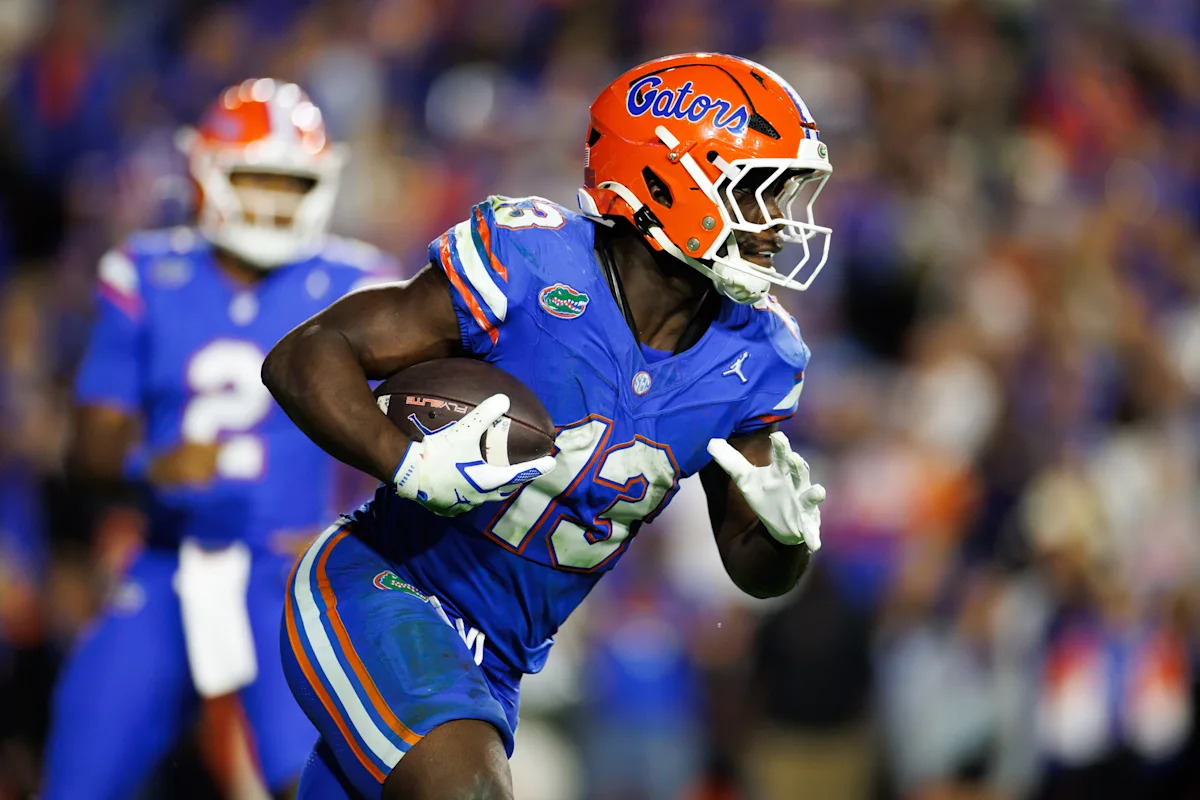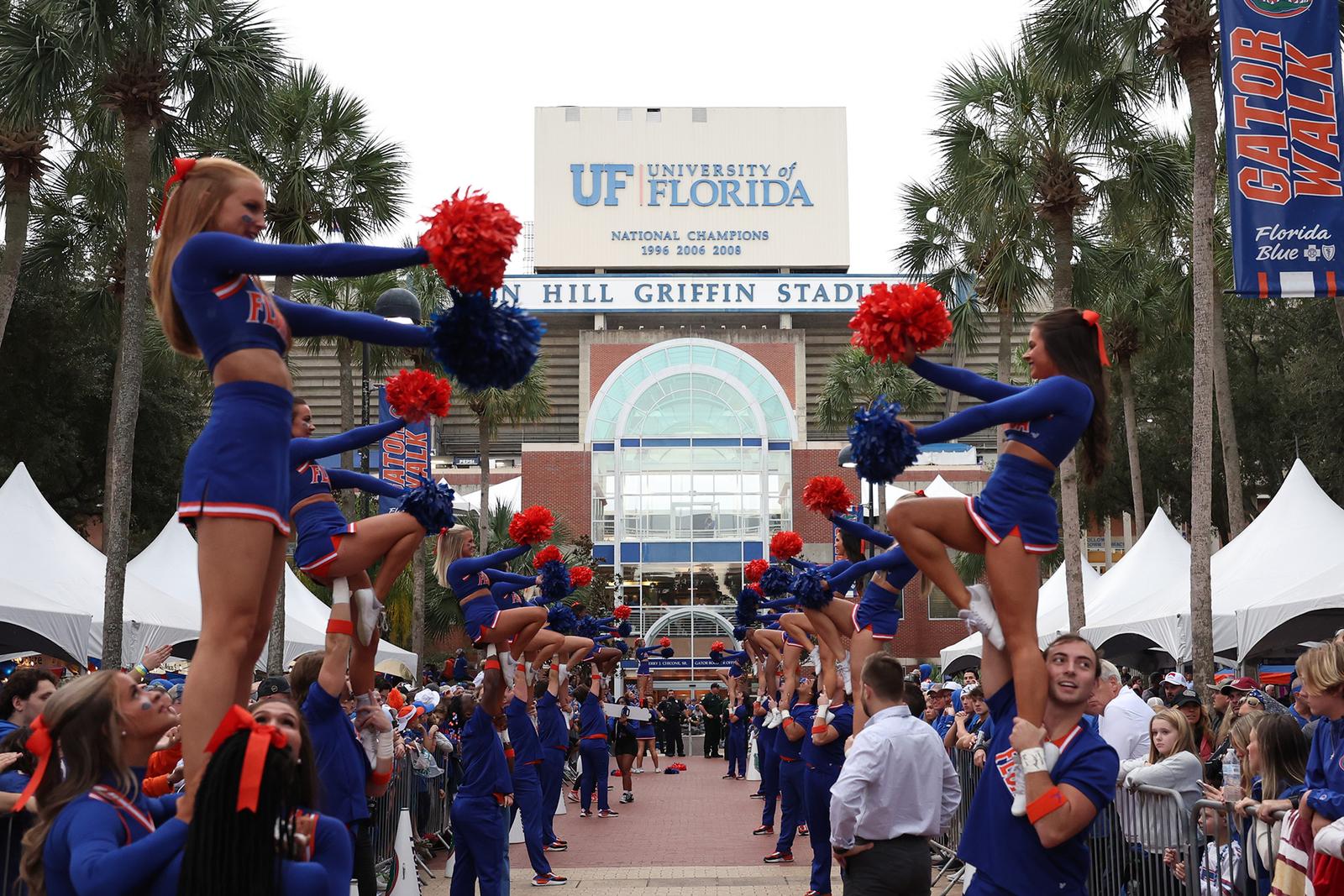
The 2026 season opener at Ben Hill Griffin Stadium functions as the formal activation of a program-wide institutional pivot for the University of Florida. Under the leadership of head coach Jon Sumrall, the Gators are attempting to decouple their future from a period defined by four losing seasons in five years. This transition represents a shift in both tactical philosophy and executive operations, balancing the pressure of a 19-game sellout streak against the necessity of immediate competitive modernization.
Tactical Realignment and Coordinator Acquisition
Jon Sumrall’s transition from Tulane—where he achieved an 11-3 record and a College Football Playoff berth—signals an organizational preference for proven developmental success. To accelerate this turnaround, Sumrall has aggressively poached high-level coordinators: Buster Faulkner from Georgia Tech and Brad White from Kentucky. This strategic acquisition of established Power Four talent aims to stabilize an offensive unit that has lacked identity and a defensive front that has historically struggled with gap discipline.
White’s defensive scheme faces an immediate diagnostic test against Florida Atlantic’s high-volume passing attack. Led by quarterback Caden Veltkamp (3,641 passing yards in 2025) and receiver Easton Messer, FAU provides a sophisticated aerial threat that will expose any lingering communication lapses in the Gators’ secondary. This matchup serves as a critical baseline for measuring the efficacy of the new defensive philosophy under high-leverage conditions.
Logistical Modernization as a Value Proposition
The University Athletic Association (UAA) is leveraging the opener to debut a suite of digital infrastructure upgrades designed to optimize the game-day experience. By integrating Express Entry and digital wallet functionality into the new Florida Gators app, the UAA is utilizing fan data to streamline gate operations for a capacity crowd of 88,000. This focus on frictionless access—complemented by a partnership with Waze for campus route optimization—reflects an institutional understanding that stadium logistics are essential to maintaining brand equity in an era of high-definition home broadcasts.
Furthermore, the economics of the game day have been bolstered by sophisticated entertainment investments. The use of PixMob LED wristbands and a halftime drone show are not merely aesthetic choices; they are calculated moves to enhance social media visibility and regional engagement. These efforts, alongside the 352 Community Day initiative, aim to sustain a premium price floor for official verified resale tickets via Ticketmaster, ensuring the program’s financial resilience during its rebuilding phase.
Institutional Trajectory and SEC Positioning
Sumrall’s commitment to “wake this beast” underscores the gap between the program’s current output and the historical standards of the 2008 championship era. The Florida administration’s move toward a more disciplined, analytically-driven coaching staff is a response to the expanded College Football Playoff landscape, where the cost of mediocrity is increasingly punitive. The outcome against FAU will offer the first tangible evidence of whether this restructuring can deliver the performance leverage required to compete in a restructured Southeastern Conference.