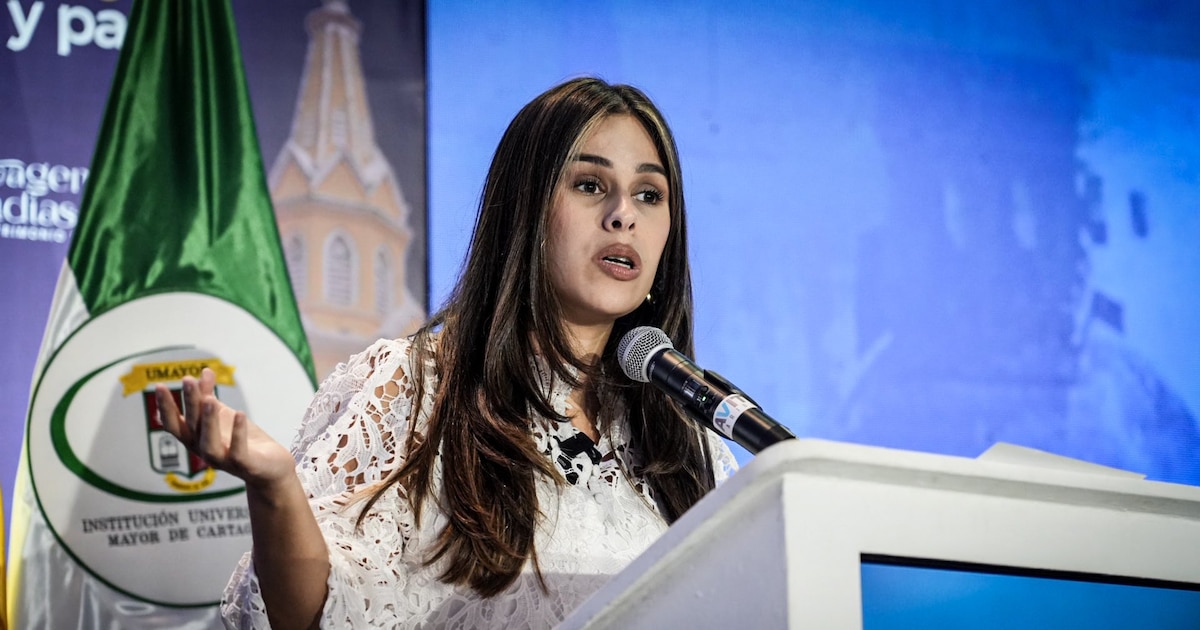
Representative Ángela María Vergara González has formally petitioned the administration of President Gustavo Petro to authorize humanitarian repatriation flights for Colombian nationals currently held in U.S. Immigration and Customs Enforcement (ICE) custody. The request, directed at the Presidency, the Ministry of Foreign Affairs, and the Colombian Aerospace Force (FAC), represents a strategic shift toward proactive sovereign protection for the diaspora.
Diplomatic Escalation and the Role of the FAC
Vergara’s proposal seeks to leverage the logistical capabilities of the Colombian Aerospace Force to bypass standard commercial deportation channels. This intervention is framed not merely as a consular service, but as a necessary state response to a burgeoning humanitarian crisis within the U.S. detention system. By involving General Carlos Fernando Silva Rueda, the petition underscores the need for high-level bilateral coordination to synchronize the release of detainees with state-sponsored assets, ensuring a dignified transition to Colombian sovereignty.
Legislative Oversight and Systemic Friction
The petition is informed by the personal case of the legislator’s son, Manuel Alfonso Vergara, whose detention highlights a critical disconnect in U.S. enforcement. Despite possessing valid work permits and complying with asylum protocols, individuals are being subjected to prolonged administrative detention. With judicial backlogs pushing asylum hearings as far as 2028, the Colombian state argues that such delays constitute a form of “legal precarity” that violates the rights of non-criminal residents.
Statistical Critique of U.S. Enforcement Infrastructure
Citing data from the TRAC Report, Vergara notes that approximately 74% of the 70,000 individuals currently detained by ICE—roughly 52,000 people—have no criminal record. This shift toward the securitization of non-violent administrative cases has created a bottleneck, particularly in Texas, where facilities like the Dilley center house thousands of migrants, including significant numbers of minors. The petition argues that the U.S. system now functions primarily as a tool for administrative management rather than public safety.
Strategic Implications for Bilateral Relations
The request forces a recalibration of the Colombia-U.S. migration dialogue. If the Petro administration proceeds with FAC-led missions, it establishes a precedent for Latin American nations to take direct responsibility for the welfare of their citizens in foreign custody. This move would require complex diplomatic clearances for military assets in U.S. airspace, signaling a robust assertion of state interest in the face of what Vergara describes as the “emotional exhaustion” and systemic inefficiency of the U.S. immigration judiciary.
Conclusion: A Model for Proactive Repatriation
Ultimately, the Vergara petition challenges the Petro government to weigh its diplomatic ties against its constitutional mandate to protect nationals abroad. By offering a state-funded exit for those caught in judicial limbo, Colombia aims to alleviate the humanitarian burden on families while highlighting the urgent need for a more transparent and efficient international migration framework.