
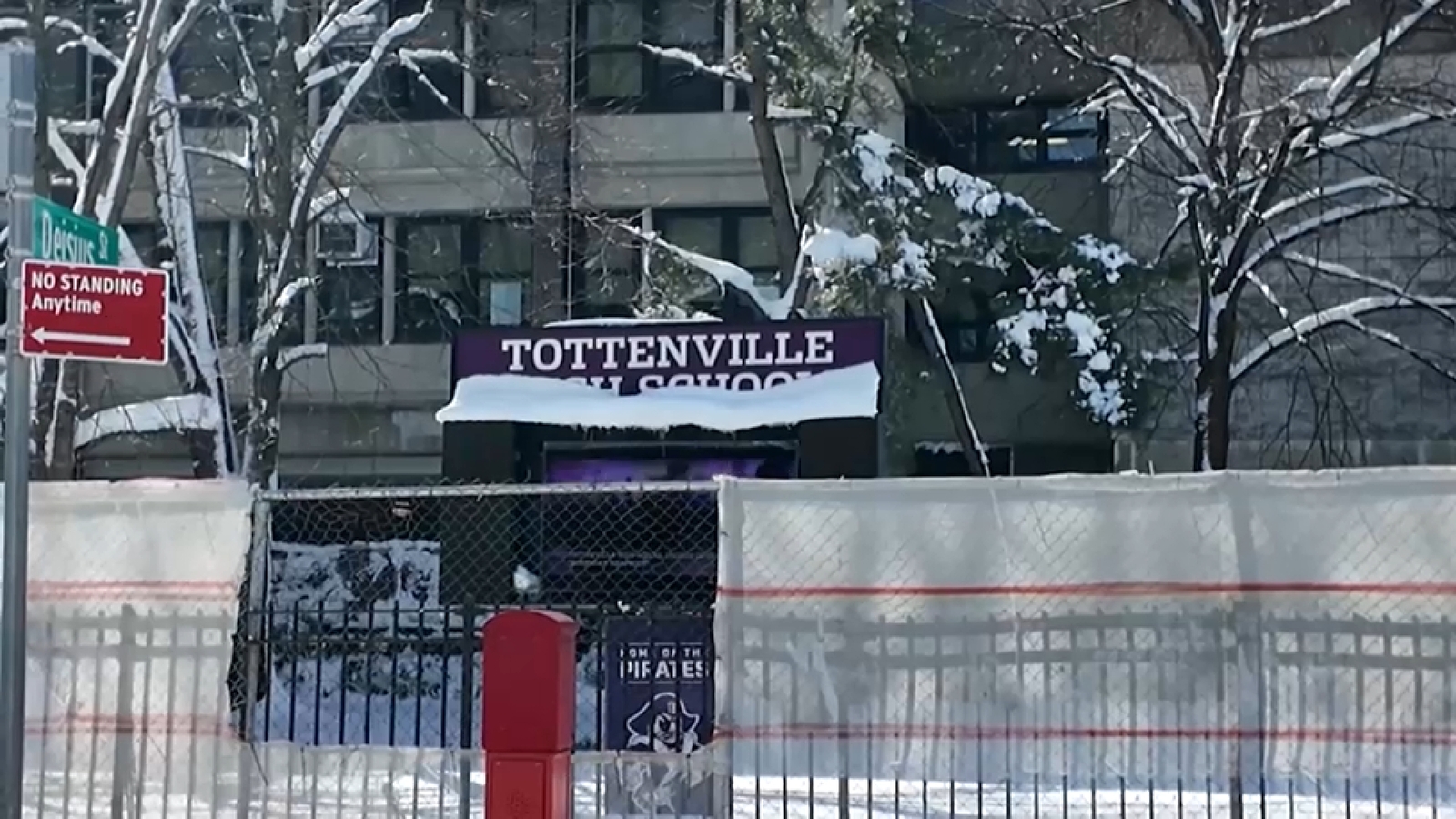
Operational Fallout: Blizzard Reveals NYC Education System Fragility
The reopening of New York City public schools immediately following the historic blizzard exposed significant systemic operational stress, evidenced by the 63% overall student attendance rate reported by the Chancellor.
This aggregate figure masks critical localized failures. Attendance plummeted to approximately 16% in specific zones, notably Staten Island, following accumulation reports of 28 inches. This disparity strongly suggests localized infrastructure paralysis and differential impact severity across boroughs.
Acute Workforce Disruption and Substitute Capacity Failure
The teaching workforce demonstrated acute constraints: 12,000 out of 78,000 educators reported absences. The Department of Education (DOE) response was inadequate, deploying only 5,000 substitutes against a demand exceeding 12,000 vacancies, creating an immediate instructional continuity gap.
This shortfall highlights the failure of existing emergency staffing protocols to account for large-scale, simultaneous workforce disruption. Teacher union analysis emphasizes structural friction stemming from educator residential patterns versus employment locations, which immediately translates localized environmental events into staffing crises when municipal services are strained.
Furthermore, the intersection of school closure and workforce participation is critical: teachers who are parents are effectively removed from the workforce pool due to unavoidable childcare obligations, revealing a dependency loop between the school system and its employees’ domestic responsibilities.
Strategic Deficits in Digital Redundancy and Infrastructure Reliance
The administration’s justification for mandating in-person return—citing lack of readiness for an immediate remote pivot—reveals a strategic failure to maintain scalable digital infrastructure. Device availability constraints position the physical school building as the sole, non-redundant distribution point for essential educational technology.
This rigid reliance on physical assets severely limits institutional resilience against external shocks. The mandate effectively prioritized the school building’s function as a provider of essential welfare services (e.g., warmth) over pedagogical optimization, framing the DOE within the municipal emergency response framework.
The decision to mandate return despite low engagement signals a political priority to restore normalcy, yet the operational cost is measured in instructional time lost and potential erosion of confidence in system reliability.
Risk Tolerance and Capital Allocation Imperatives
The variance between the system-wide 63% attendance and the 16% rate in Staten Island suggests a breakdown in centralized resource allocation or localized communication efficacy, potentially damaging localized trust in DOE directives. This heterogeneous impact underscores the inadequacy of a uniform reopening strategy for a geographically diverse metropolis.
This incident serves as a definitive stress test for DOE crisis communication. While transparency in disclosing low metrics validates concerns about systemic fragility, the long-term implications demand strategic capital reallocation. Investment priorities must shift towards creating surge capacity for substitute staffing and decentralizing digital learning resources to build genuine operational redundancy rather than merely funding immediate physical service continuity.

Photo by MOHANN on Pixabay.