
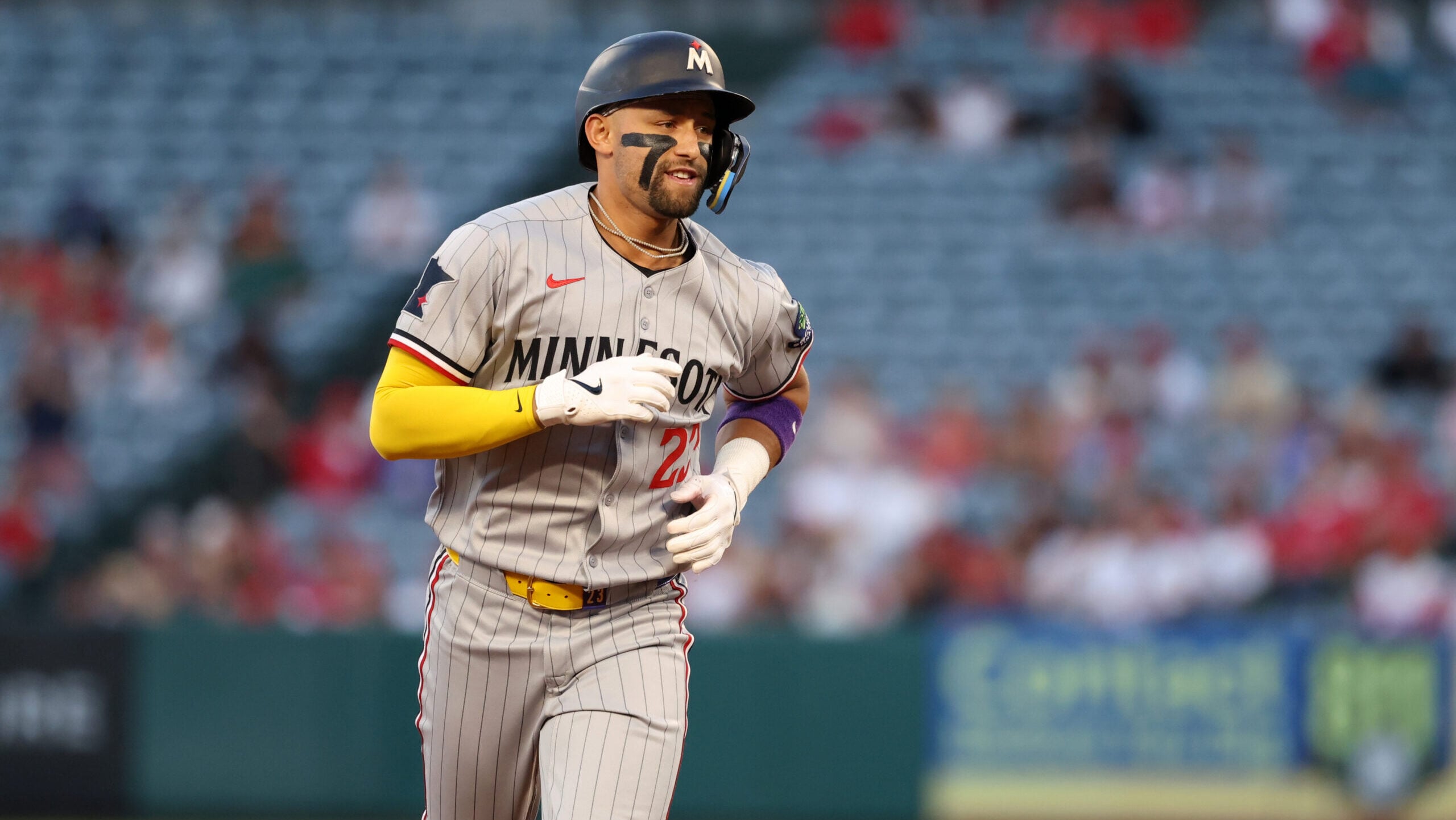
The Minnesota Twins’ 2026 season opener in Baltimore functioned as a formal repudiation of the franchise’s legacy developmental philosophy. Under new manager Derek Shelton, the decision to slot former first-overall pick Royce Lewis into the eighth position—culminating in a high-leverage ninth-inning pinch-hit substitution—indicates a transition toward a cold, meritocratic operational model. This pivot suggests that the organizational hierarchy is now dictated by immediate win-probability metrics rather than historical draft capital.
Empirical Basis for Tactical Demotion
Lewis’s placement in the bottom third of the order is an objective reaction to a multi-year regression. While his 2023 rookie campaign (15 HR, .920 OPS in 58 games) established a high ceiling, his 2025 statistical profile—a .237/.283/.388 slash line and an 83 OPS+—provides the empirical justification for this lower-leverage assignment. Shelton’s refusal to grant Lewis a ‘bounce-back’ grace period signals that the 2026 Twins will no longer absorb the opportunity costs associated with inconsistent offensive output.
This tactical rigidity was reinforced by a lackluster 2026 Grapefruit League performance, where Lewis recorded a mere six hits in 45 plate appearances. By mirroring his spring training finale lineup on Opening Day, Shelton effectively eliminated the distinction between preseason evaluation and regular-season execution. For Lewis, the eighth spot represents a transitional role typically reserved for defensive specialists, drastically reducing his plate appearances and overall impact on the team’s run-scoring environment.
High-Leverage Substitutions and Marginal Gains
The defining moment of the 2-1 loss occurred in the ninth inning when Shelton opted to pinch-hit for Lewis with the tying run on base. By prioritizing a situational left-handed matchup over the potential for a breakthrough from a former cornerstone, the Twins’ management signaled a profound lack of trust in Lewis’s current bat-to-ball skills in high-stakes environments. This move underscores a shift toward aggressive, probability-based management that disregards the psychological optics of substituting a franchise face.
From an analytical standpoint, this decision reflects a commitment to maximizing marginal gains. In a post-teardown environment where the roster lacks established depth, Shelton’s willingness to challenge the status quo on day one establishes a result-oriented clubhouse culture. For Lewis, being lifted in a critical spot is a public devaluation of his standing within the competitive hierarchy, creating a narrative of instability that will likely echo through his trade market valuation.
Asset Management in a Post-Teardown Reality
The 2026 Twins are navigating the fallout of a significant 2025 roster restructuring. The financial and strategic implications of that teardown mean every roster spot is under intense scrutiny for its return on investment. Lewis’s inability to rediscover his elite 2023 form has transformed him into a symbol of the franchise’s recent volatility. The organization is now confronting the ‘sunk cost fallacy,’ choosing to manage Lewis based on current productivity rather than the investment made during the 2017 draft.
As the Twins attempt to accelerate their return to contention within the AL Central, the management of high-ceiling, low-floor assets like Lewis will be the determining factor. If the regression persists, the Twins may be forced to explore external talent or promote internal prospects who align better with Shelton’s performance-based criteria. The season opener was not merely a singular game; it was a blueprint for the future of Minnesota’s roster construction, where talent alone no longer guarantees a heart-of-the-order role.

Photo by StockSnap on Pixabay.