The competitive equilibrium of La Liga shifted at the Estadio de Mendizorroza as Deportivo Alavés secured a 1-0 victory over the 2025–26 champions, FC Barcelona. This result formally terminates Hansi Flick’s objective of reaching the 100-point milestone, a benchmark intended to validate the squad’s historical dominance following their 29th domestic title.
Strategic Attrition: The Failure of the 100-Point Objective
Flick’s emphasis on the century mark served as a management heuristic designed to mitigate the post-championship intensity drop. However, the defeat leaves Barcelona at 91 points with only two fixtures remaining, establishing a maximum ceiling of 97. This statistical plateau highlights the psychological difficulty of maintaining elite output once mathematical certainty is achieved. Tactically, Barcelona’s rotational adjustments struggled against Alavés’s low-block defensive structure, which prioritized vertical compactness and neutralized interior passing lanes.
The Economics of Survival: Relegation Volatility
For Alavés, the three points represent a pivot in their operational survival. Entering the match in 15th place, the win provides a critical buffer in a bottom-half table where five teams are separated by a single point. Beyond the pitch, this victory secures institutional stability; maintaining top-flight status ensures continued access to centralized TV rights and sponsorship tiers worth tens of millions in projected 2026–27 revenue. Conversely, the loss forces rivals like Elche and Girona into a higher-stakes scramble for the remaining safety positions.
Institutional Friction and Legal Geopolitics
Beyond the match results, the relationship between Spain’s primary sporting entities has moved into formal legal scrutiny. FC Barcelona’s legal department is currently reviewing statements made by Real Madrid President Florentino Pérez. This institutional tension suggests a breakdown in collaborative league governance. The timing—coinciding with Barcelona matching Real Madrid’s all-time Clásico win record—underscores a shift where domestic supremacy is increasingly contested in administrative and corporate arenas.
Capital Competition: The Transfer Market Landscape
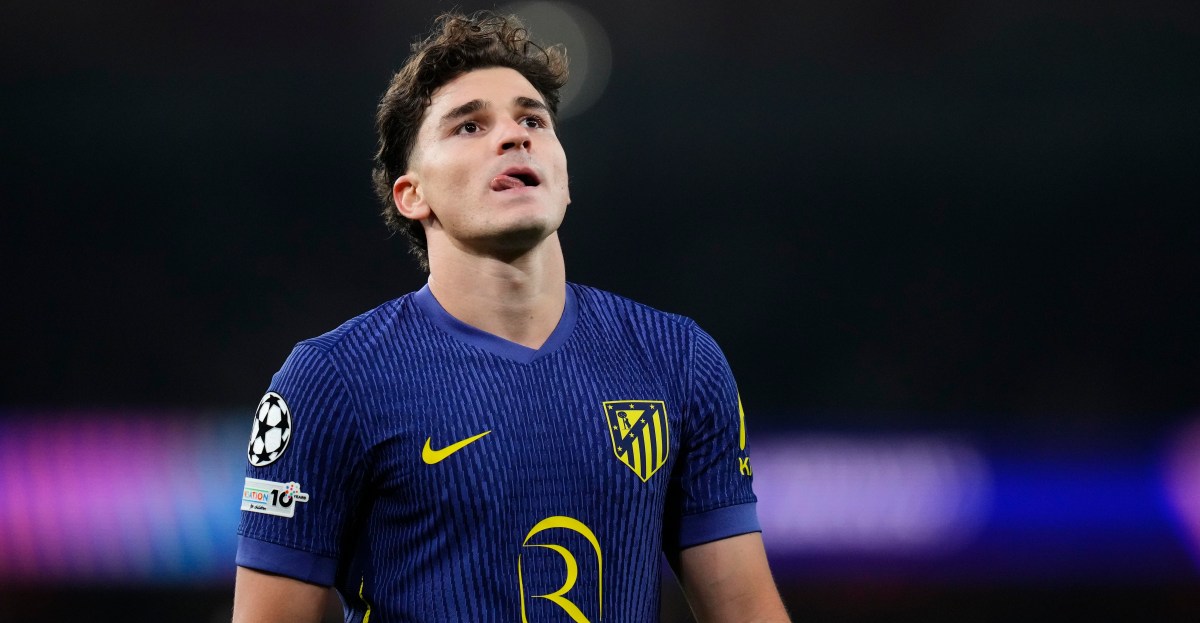
The upcoming summer window is evolving into a battle of financial liquidity. Paris Saint-Germain’s (PSG) entry into the race for forward Julián Alvarez introduces significant friction for Barcelona’s recruitment. Competing with state-backed capital requires sophisticated financial structuring to comply with sustainability regulations. Barcelona’s sporting directorate must now weigh the opportunity cost of a bidding war against the necessity of squad refinement for their 2026–27 title defense.