
LaLiga Venue Intervention Exposes Rayo Vallecano’s Governance and Financial Strain
LaLiga’s decision to relocate the match between Rayo Vallecano and Atlético de Madrid from Vallecas to Butarque, citing concerns over poor pitch conditions, has exposed significant operational vulnerabilities and deep-seated conflicts within Rayo Vallecano. The intervention, announced on short notice, not only forced a logistical scramble but also served as a flashpoint for long-standing tensions between club ownership and the fanbase, highlighting systemic governance issues at a critical juncture in the season.
Operational Fallout and Financial Disruption
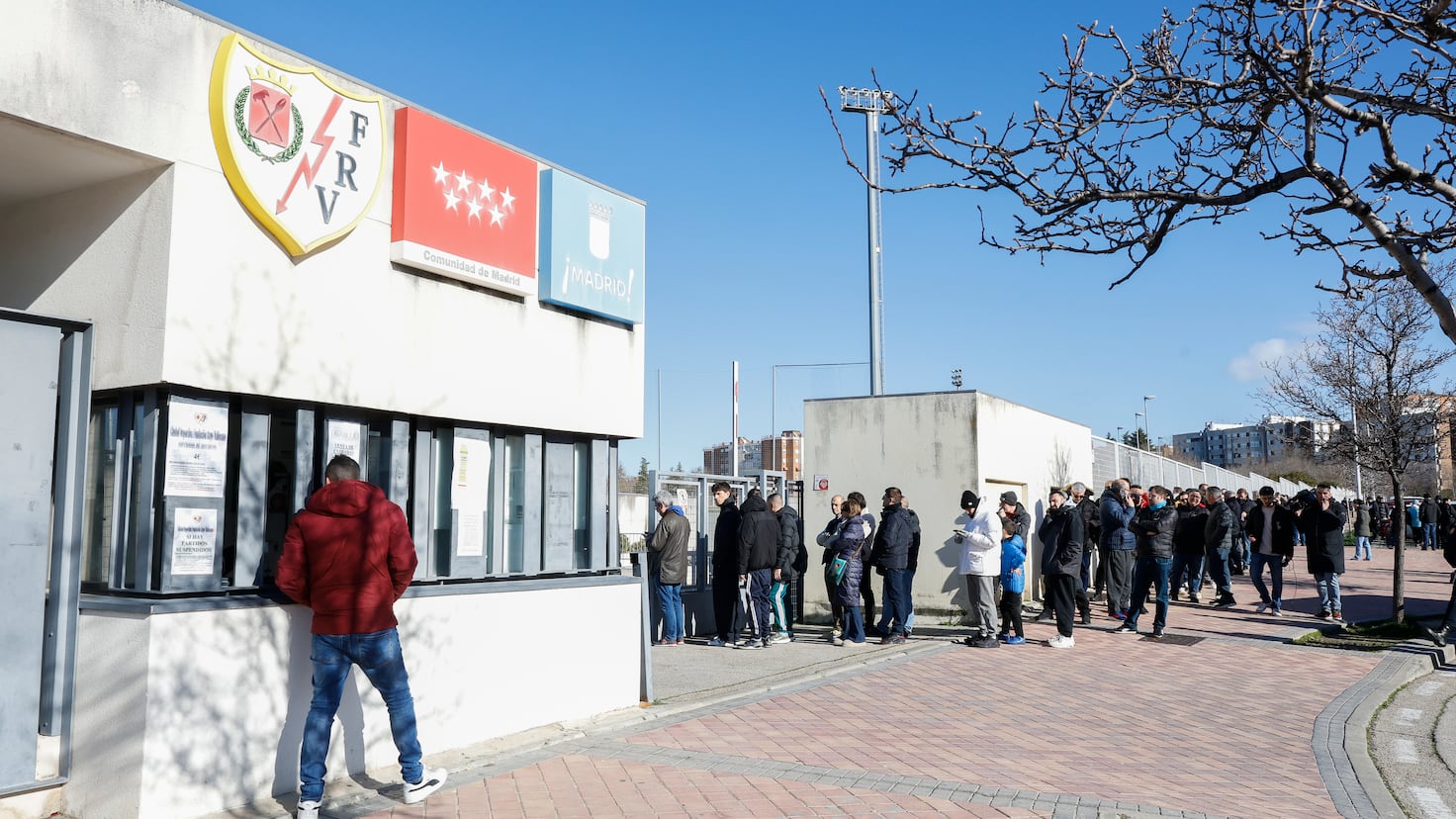
The immediate consequence of LaLiga’s decision was a massive logistical challenge for Rayo Vallecano. With only one day’s notice, the club had to re-accommodate over 12,000 season ticket holders. This operational pivot required significant resources, diverting human, material, and economic capital to manage ticket distribution for the alternative venue. The club’s administrative infrastructure faced immense pressure to process thousands of requests in a highly compressed timeframe, highlighting the fragility of match-day planning when faced with external regulatory intervention.
The club publicly stated its “absolute disagreement” with the decision, claiming it caused “great social, sporting, and economic damage” (“grandísimos perjuicios sociales, deportivos y económicos”). This financial damage extended beyond immediate logistical costs. The high demand for tickets to the relocated match was immediately evident in the secondary market, where tickets reportedly resold for up to 100€. For a club operating on tighter margins, this demonstrated a failure to capture potential revenue streams from a high-demand fixture, compounding financial losses resulting from the venue change and potential contractual liabilities with sponsors and broadcasters tied to the Vallecas stadium.
Stakeholder Conflict and Governance Failure
The venue change served as a catalyst for pre-existing tensions between Rayo Vallecano’s fan base and club leadership, specifically targeting president Raúl Martín Presa. During the ticket collection process, a public protest occurred where a group of mariachis performed the song “Rata de Dos Patas” (Two-Legged Rat), explicitly dedicating it to the president. This act of protest, which links operational failures (such as the pitch condition issue) directly to broader strategic decisions and governance issues, highlights a deep-seated animosity and dissatisfaction among supporters.
This incident was not isolated; similar dissent against leadership occurred during the close of the 2023-24 transfer market. The recurring nature of these protests suggests a sustained campaign of dissent, indicating a breakdown in trust between the club’s leadership and its supporters. The police intervention, which stopped the mariachi performance due to a lack of necessary permits, added a layer of institutional complexity, effectively curtailing public dissent against the club’s leadership and highlighting the delicate balance between public expression and institutional control during high-stakes events.
Competitive and Strategic Implications
The relocation of the match carries significant sporting implications for both teams. For Rayo Vallecano, already in a precarious relegation battle, losing the home advantage of Vallecas during a critical phase of the season increases the pressure on the squad. The disruption impacts team preparation and morale, compounding the urgency to secure points for survival.
For Atlético de Madrid, the match presented a strategic challenge amidst a period of inconsistency and a demanding schedule. While the team showed strength in other competitions, their erratic form in LaLiga, particularly away from home, complicated manager Diego Simeone’s planning. The upcoming Champions League match necessitated squad rotation, underscoring the broader impact of operational disruptions on strategic planning and performance outcomes for high-profile teams competing across multiple tournaments. The venue change, while potentially neutralizing Rayo’s home advantage, introduced uncertainty for Atlético as well, highlighting how external factors influence competitive balance.
Risk Analysis and Governance Outlook
The incident highlights a broader institutional risk within LaLiga regarding venue standards and regulatory oversight. The league’s decision to intervene demonstrates a commitment to maintaining competitive integrity, ensuring optimal playing conditions even at the expense of individual club autonomy. However, Rayo Vallecano’s strong public dissent suggests a lack of alignment between the league’s centralized authority and the financial and operational realities faced by individual clubs, particularly those with smaller budgets and aging infrastructure. The incident serves as a case study in how regulatory decisions can trigger cascading financial and operational consequences for clubs when existing infrastructure issues are present.

Photo by jdblack on Pixabay.