
The Structural Evolution of the 2026 Tournament
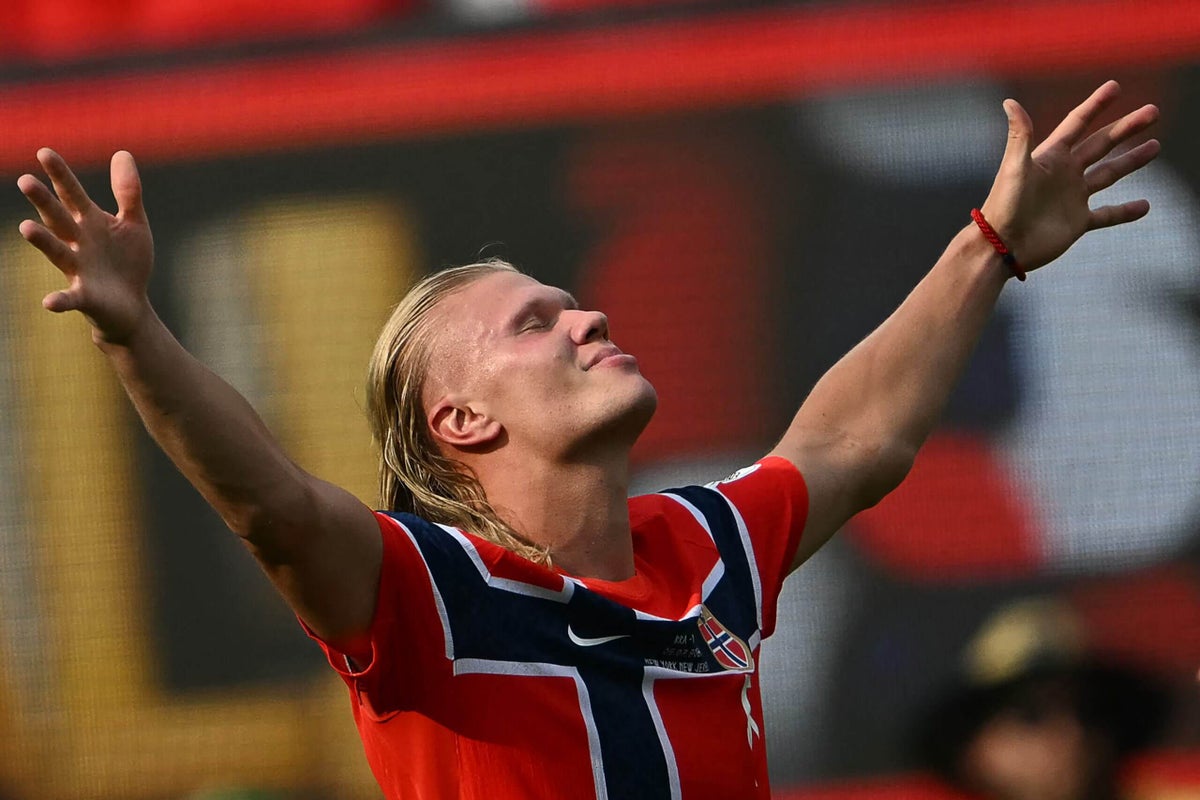
The 2026 FIFA World Cup has shifted from group-stage variability to the high-stakes precision of the Round of 16. This transition necessitates a recalibration of strategic risk management, where the narrowing margin for error heightens the impact of individual match outcomes. Notably, the elimination of Brazil by Norway has disrupted traditional tournament hierarchies, forcing a recalibration of competitive modeling and betting market valuations.
Market Dynamics and Predictive Modeling
Betting markets provide a critical lens into institutional sentiment. The pricing discrepancies regarding Morocco’s advancement against Canada indicate a significant struggle among market participants to quantify the trade-off between physical fatigue from a condensed schedule and sustained tactical momentum. This market volatility underscores the difficulty of accurately pricing underdogs in a tournament structure where recovery metrics are as influential as technical proficiency.
Regulatory Governance and Competitive Precedents
The reversal of Folarin Balogun’s suspension highlights the influence of administrative bodies on competitive outcomes. By permitting the U.S. striker to play against Belgium, regulatory authorities have shifted from static disciplinary frameworks to dynamic, event-based interpretations. Such precedents not only alter current match conditions but also redefine how national federations approach appeals and strategic roster management in future high-stakes fixtures.
Tactical Vulnerabilities and Defensive Innovation
France’s advancement against Paraguay reveals the susceptibility of favorites to disruptive, non-traditional defensive strategies. The trend of using intense, low-block pressure to neutralize elite attacking talent—such as that of Kylian Mbappé—is becoming a dominant tactical motif. As teams prepare for the quarter-finals, the ability to maintain structural integrity against these disruptive tactics will likely supersede raw individual brilliance as the primary determinant of success.
Tournament Resilience and Global Engagement
The 2026 World Cup functions as a complex socio-economic engine. The tournament’s ability to sustain commercial growth and global viewership, even during periods of cultural saturation, confirms the resilience of the FIFA brand. This sustained engagement is vital for long-term stakeholder investment, proving that the event’s institutional importance transcends the outcomes of individual matches.
Strategic Outlook for the Final Phases
As the field narrows to the final 12 teams, the strategic imperative shifts toward mental fortitude and defensive organization—as evidenced by England’s composure at the Azteca. Success in the latter stages will depend on a team’s capacity for rapid tactical adaptation while managing the cumulative physical and psychological fatigue inherent in the format. These institutional and athletic variables will dictate the eventual champion, solidifying the 2026 edition as a benchmark for modern sports management.

Photo by xusenru on Pixabay.