Operational Crisis Response
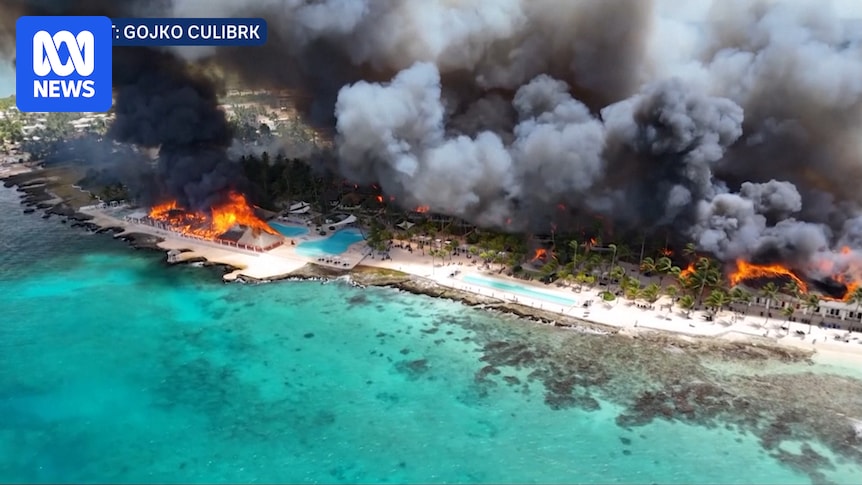
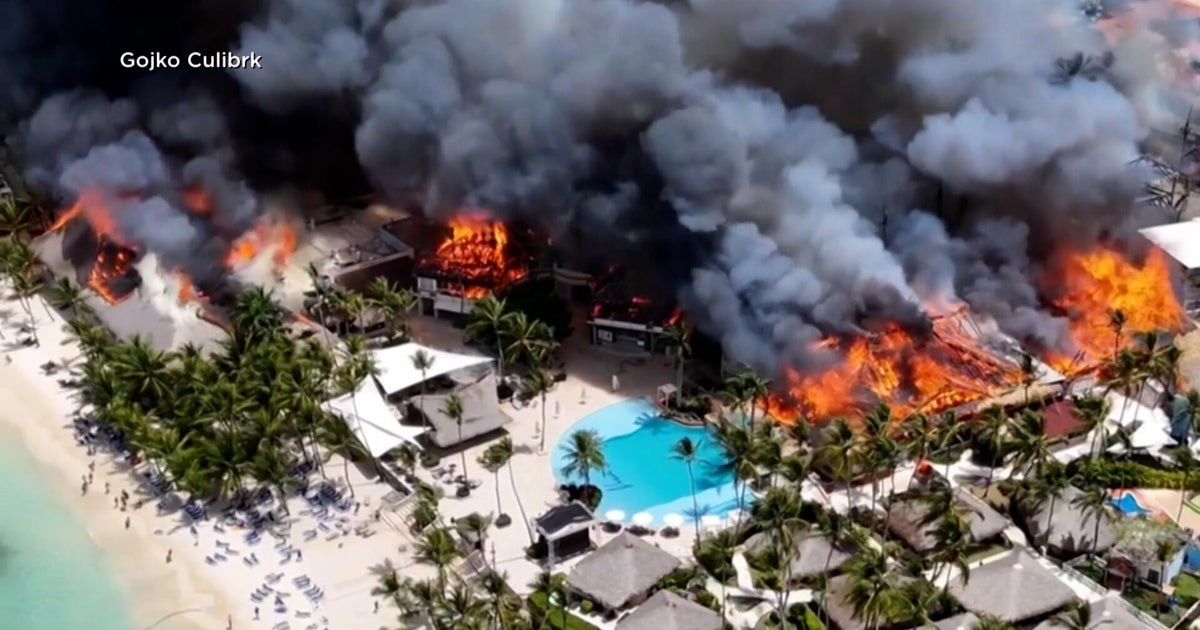
The fire at the Viva Wyndham Dominicus Beach Resort resulted in one fatality and the displacement of 1,700 guests. Local emergency services identified the victim as 46-year-old Francesca Valentino. The swift evacuation highlighted the operational strain placed on Caribbean hospitality infrastructure when managing high-occupancy density during rapid-onset emergencies.
Structural Risk and Material Vulnerability
The incident emphasizes the inherent fire-safety risks associated with traditional palm-thatch roofing. While preferred for aesthetic appeal, these materials exhibit high combustion rates that accelerate blaze propagation. The Emergency Operations Center (COE) noted that high wind conditions further compounded the failure of existing containment protocols, raising questions regarding the compatibility of traditional design elements with modern fire-suppression requirements.
Franchise Liability and Brand Equity
As a global franchisor, Wyndham Hotels and Resorts faces significant reputational exposure. While the franchise model decentralizes operational responsibility, the parent brand remains intrinsically linked to local safety performance. This event serves as a case study in the necessity for rigorous, top-down oversight of fire-safety compliance within decentralized operational frameworks.
Regulatory and Capital Expenditure Outlook
Post-incident investigations are expected to trigger a review of building codes in the Dominican Republic. If authorities mandate structural upgrades—specifically regarding fire-retardant retrofitting—property owners face increased capital expenditure. Such regulatory shifts could necessitate higher insurance premiums for resorts employing high-risk architectural materials, fundamentally altering the operating cost structures within the Bayahibe region.
Market Competitiveness
In a global tourism market prioritizing guest safety, the ability to maintain robust, audited fire-protection systems has become a critical competitive differentiator. The displacement costs and potential for diminished short-term occupancy rates underline the long-term financial consequences of localized safety failures. Investors are increasingly scrutinized for their ability to mitigate climate-sensitive architectural risks, as safety compliance now directly correlates with asset valuation and regional market attractiveness.