Strategic Pivot to Catalog Monetization in Live Music
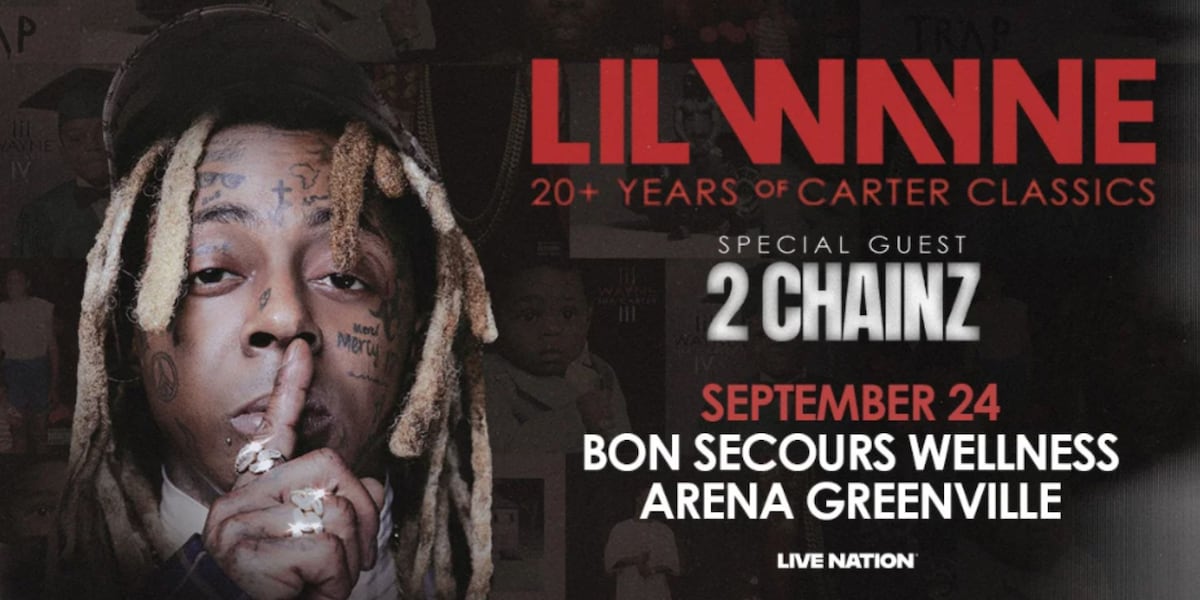
The announcement of Lil Wayne’s “20+ Years of Carter Classics” tour for 2026 signals a sophisticated strategic shift in revenue generation for legacy artists. This model prioritizes catalog monetization over new album promotion, effectively de-risking live performances by relying on proven hits with established demand. In a fragmented streaming landscape where new releases face speculative success, established artists increasingly leverage their existing intellectual property (IP) to generate high-margin returns from curated retrospective experiences. The tour’s title explicitly frames the experience around nostalgia and established cultural relevance, appealing directly to a core fan base willing to pay premium prices for a curated retrospective.
This approach reflects a broader economic reality in the music industry. While streaming offers consistent, low-margin revenue streams, live touring—especially when focused on catalog material—offers significantly higher profit margins. By capitalizing on the cultural weight of the “Carter” series, the artist minimizes marketing expenditures required for new material, instead maximizing returns on pre-existing brand equity and fan loyalty built over decades.
Market Segmentation and Venue Selection
The tour schedule reveals a calculated approach to market segmentation, targeting a mix of major arenas and secondary markets. Stops in cities like Greenville, Des Moines, and Columbus, alongside larger hubs, indicate a strategy to capture demand in regions where competition for high-profile acts may be less intense. This allows for potentially higher ticket prices relative to local market dynamics, maximizing revenue per show by tapping into underserved fan bases.
The selection of venues such as Bon Secours Wellness Arena and Nationwide Arena suggests a focus on mid-to-large capacity venues capable of accommodating significant crowds while maintaining an intimate feel for a legacy act. This contrasts with the high-risk, high-reward strategy of booking stadium tours, which require massive upfront investment and carry greater exposure to market fluctuations. The choice of secondary markets also mitigates operational costs associated with major metropolitan areas, optimizing the tour’s overall financial performance and reducing logistical complexity.
Dynamic Pricing and Demand Management
The ticketing strategy, including the specific on-sale date and the “DayOnes” promotional offer, highlights sophisticated demand management techniques. The 2-for-$75 ticket offer, specifically targeting early buyers with the code “DayOnes,” serves multiple purposes beyond simple discounting. It generates immediate sales momentum, creates a sense of urgency, and rewards core fans, thereby strengthening loyalty and mitigating potential backlash from high general admission prices.
This tactic also functions as a preemptive measure against secondary market scalping. By offering a limited-time, value-driven incentive to early adopters, the artist and promoter can capture a larger share of the initial demand, reducing the inventory available for resale at inflated prices. This approach ensures that a portion of the revenue remains within the primary market ecosystem rather than being siphoned off by third-party platforms, protecting both brand reputation and financial returns.
Operational Leverage and Co-Headliner Dynamics
The inclusion of special guest 2 Chainz enhances the tour’s value proposition and operational leverage. Co-headlining or featuring a prominent guest allows the tour to appeal to a broader demographic, combining fan bases and increasing the perceived value of the ticket. This strategy mitigates the risk associated with relying solely on a single artist’s draw, particularly for a tour focused on catalog material rather than new releases.
From an operational standpoint, a co-headliner arrangement can streamline logistics and reduce individual performance burden for the primary artist. It provides a more robust entertainment package for the audience, justifying higher ticket prices and increasing the likelihood of sell-out performances across diverse markets. This collaboration leverages existing professional relationships and shared musical history, creating a synergistic effect that benefits both artists and the promoter.
Economic Model and Future Sustainability
For promoters and venues, a tour focused on legacy catalog material represents a more stable investment compared to tours supporting new albums. The demand for established hits is predictable, allowing promoters to accurately forecast revenue and manage financial exposure. The tour’s structure, spanning several months and multiple cities, provides consistent revenue streams for venues during peak summer and fall seasons, supporting local economies through increased foot traffic and ancillary spending on hospitality and transportation.
The “Carter Classics” tour exemplifies a growing trend where legacy artists transition from the high-pressure cycle of new releases to a more sustainable model of catalog-driven live performance. This shift reflects changes in consumer behavior, where audiences increasingly value live experiences and nostalgia over new music discovery. For artists with extensive catalogs and strong brand recognition, this model ensures long-term financial stability and creative control over their legacy, securing their place in the industry ecosystem for years to come without being dependent on contemporary streaming algorithms.