ZZ Top’s Strategic Adaptation: Navigating Touring Continuity Amidst Drummer Frank Beard’s Health Challenges
The recent cancellation of ZZ Top’s Hollywood Bowl concert, initially cited as “insurmountable obstacles” and “unforeseen personnel matters,” has been clarified by reports confirming drummer Frank Beard is experiencing significant health issues. This development necessitated an immediate and critical operational adjustment for the iconic Rock & Roll Hall of Fame band, underscoring the complex interdependencies within large-scale touring productions and the strategic imperative for legacy acts to maintain continuity.
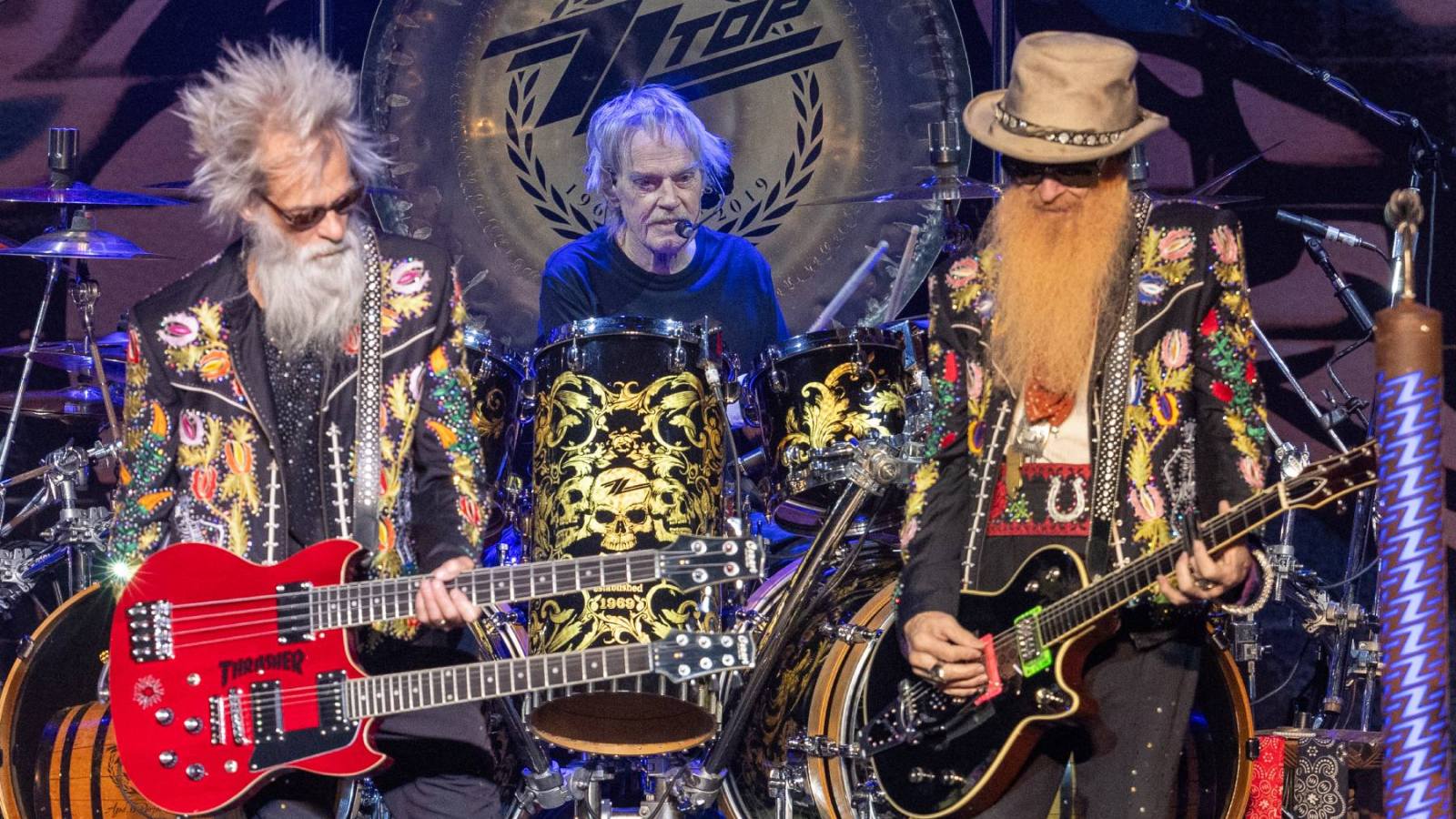
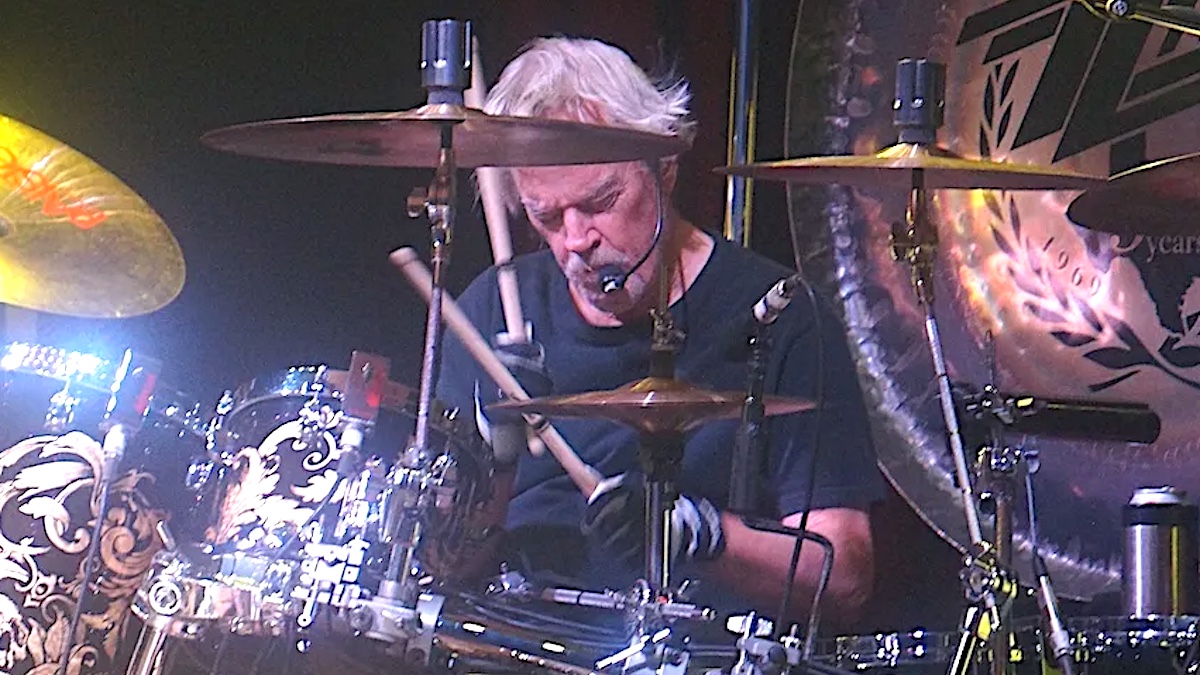
In response, the band’s spokesperson confirmed that guitarist Billy Gibbons and bassist Elwood Francis would continue the tour, with seasoned drummer Michael Monahan stepping in as the temporary replacement. This rapid deployment of an experienced substitute exemplifies the robust contingency planning vital for bands with extensive touring commitments, especially when core members face health challenges that threaten tour integrity and contractual obligations.
Historical Precedent and Evolving Band Identity
Frank Beard’s current health challenges are part of a documented pattern, reflecting the realities faced by musicians with decades-long careers. Previous instances include a temporary touring hiatus last year for recovery, an emergency appendectomy in 2002 requiring a drum tech substitution, and earlier foot and ankle issues that also led to temporary replacements by John Douglas and Michael Monahan. This history highlights ZZ Top’s long-standing operational preparedness, demonstrating a consistent strategy of leveraging experienced substitutes to ensure touring viability.
This latest personnel adjustment follows a profound transformation in the band’s lineup. The passing of longtime bassist Dusty Hill in 2021 and his subsequent replacement by guitar tech Elwood Francis marked a significant shift. With Beard’s current absence, singer-guitarist Billy Gibbons stands as the sole classic member from the band’s most recognized era actively participating in the touring lineup. This evolution raises pertinent questions about band identity, legacy preservation, and the audience’s evolving perception of an iconic ensemble no longer featuring its original core configuration.
Economic and Reputational Impact of Tour Disruptions
The abrupt cancellation of a high-profile event like the Hollywood Bowl performance carries immediate and substantial financial ramifications. All concert tickets, along with associated parking and transportation passes, were automatically refunded, representing a direct and quantifiable revenue loss for event organizers and, indirectly, for the band. Beyond these immediate costs, such disruptions cascade through the wider live music ecosystem, impacting future booking opportunities, sponsorship agreements, and merchandise sales for a band headlining a summer tour with support from acts like Cheap Trick and George Thorogood & the Destroyers.
The reputational exposure is equally critical. Frontman Billy Gibbons’ public statement, appealing to “Friends, fans and followers of ZZ Top” to “bear with us for this brief interruption,” serves as a calculated strategic communication effort. Its aim is to mitigate potential damage to deeply loyal fan bases and preserve the band’s decades-long brand equity. Maintaining a consistent touring schedule is paramount for legacy acts; even brief interruptions can erode trust and negatively influence audience perception, affecting long-term commercial viability.
Institutional Frameworks and Risk Management in Live Entertainment
The Hollywood Bowl’s initial statement citing “unforeseen personnel matters” underscores the intricate contractual complexities inherent in major concert productions. Such clauses are standard in agreements between artists, promoters, and venues, meticulously outlining the conditions under which performances can be altered or canceled. For touring entities like ZZ Top, robust risk management extends far beyond simply having substitute musicians; it encompasses comprehensive tour insurance, contractual provisions for force majeure events, and established logistical protocols to manage unforeseen disruptions.
These institutional frameworks are indispensable for mitigating significant financial losses and ensuring operational stability in a high-stakes environment. The economic ripple effects of a last-minute cancellation are extensive, impacting venue staffing, marketing expenditures, local vendors, and complex transportation logistics. These costs must be absorbed or renegotiated across the interconnected financial web that sustains large-scale concerts, highlighting the systemic vulnerabilities within the live entertainment industry.
Audience Engagement and Brand Resilience in a Changing Landscape
Billy Gibbons’ direct address to the fanbase, emphasizing their importance and soliciting patience, is a testament to sophisticated brand management. For legacy acts, a deeply loyal fanbase constitutes a significant intangible asset, and nurturing that trust is paramount for sustained commercial success. ZZ Top’s history of navigating significant personnel changes, including the seamless integration of Elwood Francis, exemplifies a strategic commitment to continuing their live performance legacy. This resilience, coupled with transparent communication regarding challenges, is crucial for reinforcing audience loyalty and maintaining the brand’s enduring appeal.
Effective strategies for maintaining audience connection during periods of disruption often involve leveraging digital platforms and carefully curated messaging. The objective is to reassure fans of the band’s unwavering commitment to performance while prudently managing expectations regarding lineup changes or temporary hiatuses, thereby safeguarding future ticket sales, merchandise revenue, and the overall longevity of the band’s brand.
Media Dissemination and Strategic Public Relations
The trajectory of information, from initial vague statements about “insurmountable obstacles” to more specific reports from outlets like Rolling Stone and TMZ, illustrates a typical phased disclosure process in high-profile events. This approach allows internal operational adjustments to be made before a more detailed public explanation is disseminated. The role of diverse media channels, from industry-specific publications to local news outlets, in reporting these developments critically shapes public perception and narrative control.
The band’s public relations strategy must adeptly navigate this complex media landscape, ensuring official statements are consistent, accurate, and balanced between transparency and member privacy. In an era of rapid information exchange, the speed and precision of communication are paramount. ZZ Top’s ability to quickly confirm a substitute drummer and provide an official statement helps to preempt speculation, manage expectations, and uphold a professional image vital for a brand of their stature.
Conclusion: The Enduring Strategic Imperative of Adaptability for Legacy Acts
ZZ Top’s storied history is characterized by its remarkable ability to adapt to evolving musical trends and significant personnel shifts. The current situation with Frank Beard’s health represents yet another critical juncture demanding strategic adaptability to ensure the band’s sustained presence in the competitive touring landscape. The decision to continue touring with a substitute drummer, rather than canceling the entire tour, reflects a deliberate strategic commitment to maintaining operational momentum and fulfilling obligations to fans and promoters. This approach prioritizes long-term brand continuity over short-term disruption, a common and effective strategy for legacy acts striving to extend their careers and solidify their enduring cultural impact.
Ultimately, the continuous and proactive management of member health, the strategic deployment of skilled substitute musicians, and transparent, consistent communication with all stakeholders are integral facets of a comprehensive strategy. These elements collectively aim to preserve ZZ Top’s unique legacy and define its ongoing operational viability and market positioning for years to come. Their journey exemplifies the inherent challenges and strategic ingenuity required for iconic ensembles to thrive in the dynamic live music industry.