Strategic Consolidation of the ‘Street Level’ Narrative
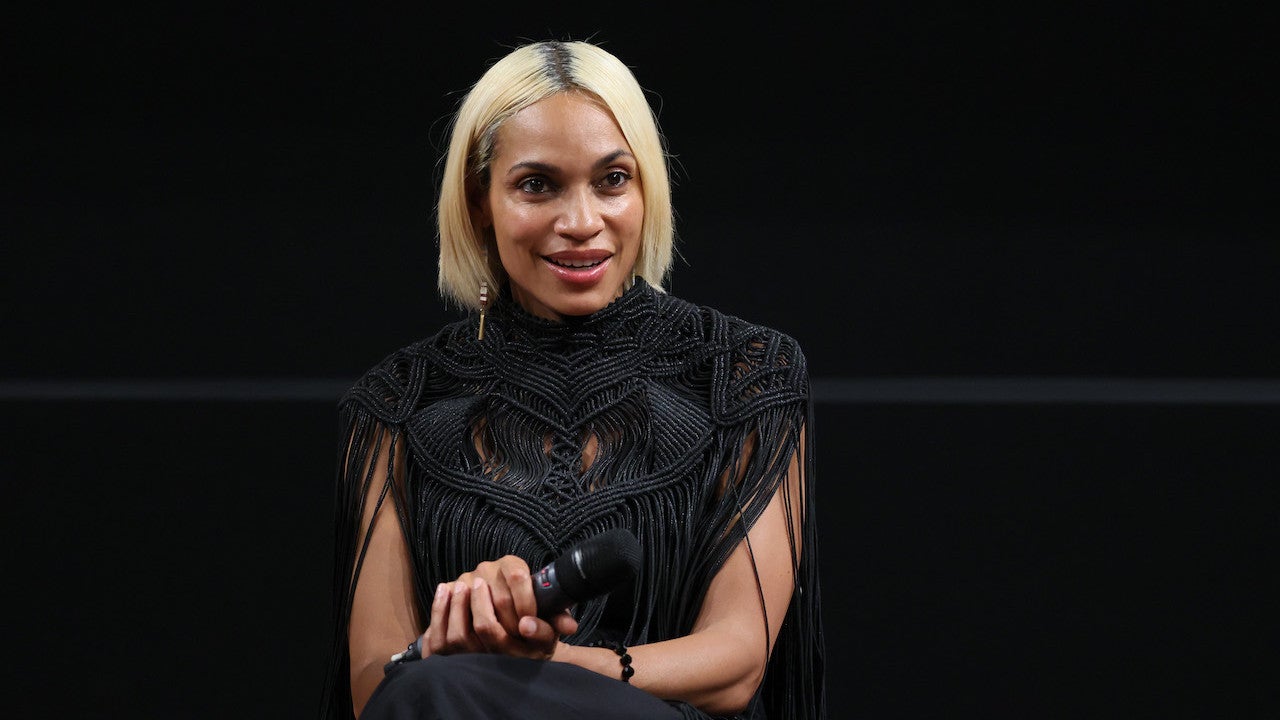
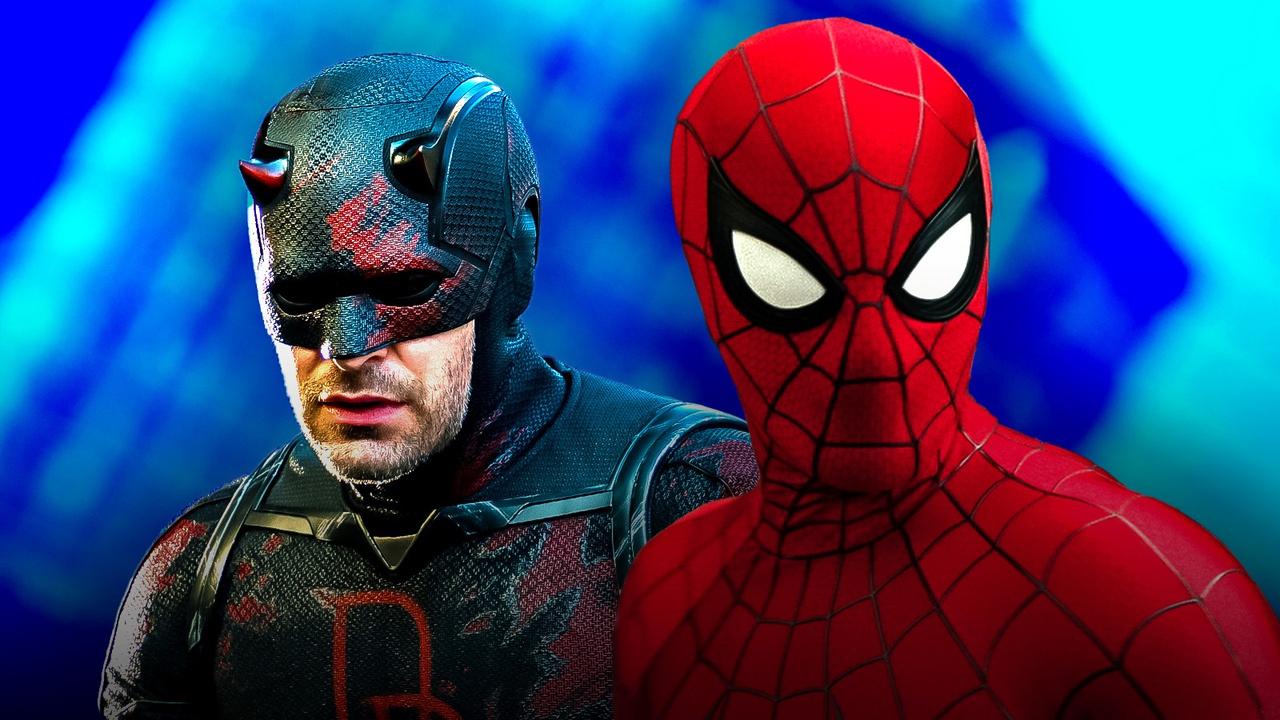
The confirmation that Rosario Dawson’s Claire Temple was excised from the theatrical cut of Spider-Man: Brand New Day signals a rigorous shift in Marvel Studios’ narrative management. While the production successfully migrated Jon Bernthal’s Punisher and Charlie Cox’s Daredevil into the premier theatrical tier, the removal of Temple indicates a strategic narrowing of the ensemble. This decision prioritizes ‘kinetic leads’—characters whose presence drives action choreography—over the connective tissue characters that defined the Netflix Defenders era.
Structural Redundancy vs. Operational Volatility
Disclosures from GalaxyCon Raleigh 2026 and subsequent clarifications by writers Chris McKenna and Erik Sommers reveal that Temple’s scripted role was intended to bridge various New York-based factions. However, internal governance protocols determined the character was non-essential to the film’s primary momentum. This highlights the operational volatility of high-stakes franchise filmmaking, where established fan equity is often sacrificed for screenplay optimization and narrative ROI.
Debunking Fan-Led Theory with Production Reality
Market speculation previously hypothesized Temple’s involvement in a pivotal hospital sequence, a theory fueled by Jon Bernthal’s production anecdotes. McKenna and Sommers have since corrected this narrative, clarifying that Temple was positioned in an earlier, distinct sequence. This discrepancy underscores the friction between external audience expectations and the internal mechanical requirements of a script; the hospital sequence ultimately functioned as a localized arc for Frank Castle that did not necessitate occupational overlap with the ‘Night Nurse’ archetype.
Capital Exposure and Brand Governance
With trailer metrics serving as proxies for box office performance, every frame in a Spider-Man tentpole is subject to intense scrutiny. Dawson’s omission is a consequence of pacing and the high capital cost of screen time. For Marvel, the theatrical integration of the Defenders’ legacy involves a selective lens: adopting the darker aesthetic and grounded stakes of the Netflix era while maintaining a disciplined focus on characters with high marketability and thematic conflict.
Future Viability and Narrative Ether
Despite the cut, the character remains a strategic asset. By keeping Temple in the ‘narrative ether’ rather than definitive retirement, Marvel retains the option for civilian-perspective groundedness in future expansions. Her established history with the Defenders ensures her continued utility as a humanizing element for the superhuman, provided the structural needs of future phases align with her character’s specific utility.