Structural Exposure and Senate Map Asymmetries
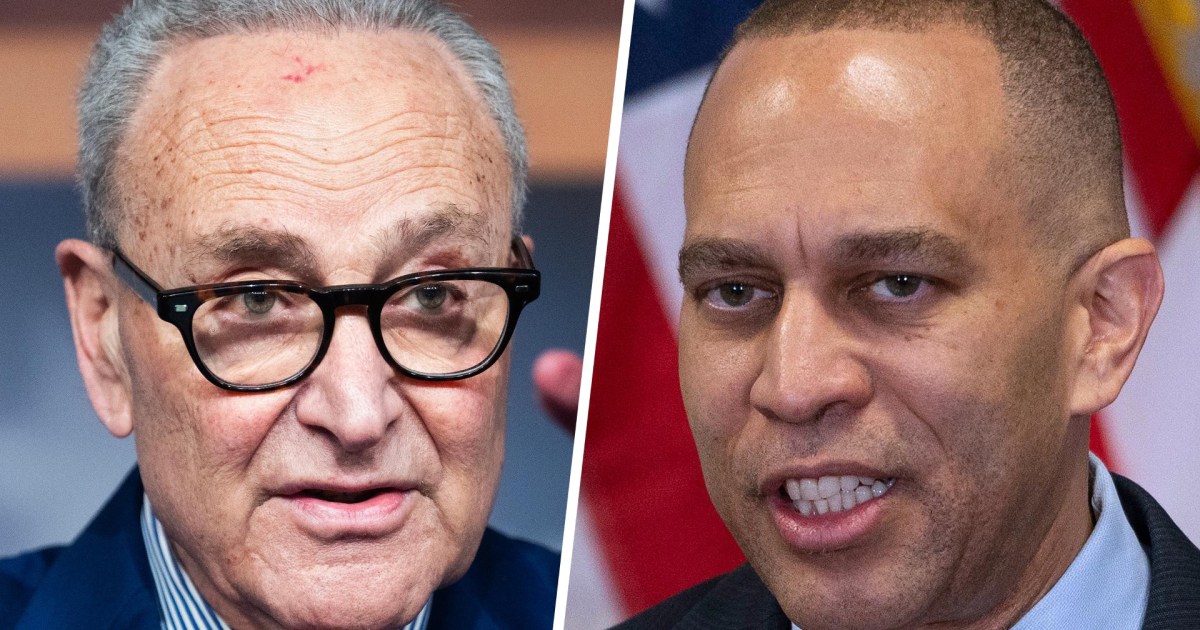
The battle for the United States Senate has entered a critical phase dictated by severe structural asymmetries across key geographic regions. Managing a dual-track strategy, Democrats face an narrow path: consolidating defensive holds in competitive states while attempting expansion into red-leaning territory. Because baseline retention leaves zero margin for tactical error, internal ideological alignment—specifically between progressive and moderate factions in industrial battlegrounds like Michigan—serves as the primary variable for down-ballot viability.
Executive Drag and Quantitative Public Sentiment
National conditions are increasingly dictated by declining executive approval. A CNN/SSRS poll places President Donald Trump’s approval rating at 34%, reaching the historical low of his first term. Crucially, 73% of U.S. adults report that the executive branch has failed to address the nation’s most pressing policy priorities. This top-of-ticket drag alters traditional mobilization calculations, forcing vulnerable battleground candidates to structurally insulate their local platforms from national figures.
Macroeconomic Contraction and Labor Market Pressures
Economic indicators present a direct headwind for incumbent defense. Public sentiment data indicates 65% of Americans view current executive policies as damaging to macroeconomic conditions, a concern amplified by an unexpected monthly contraction of 23,000 jobs. In manufacturing-dependent states like Michigan, employment contractions undermine economic stability narratives, shifting voter focus directly toward local wage security and cost-of-living mitigation.
Geopolitical Risk and Foreign Policy Friction
Foreign policy volatility acts as a secondary force multiplier for public skepticism. Heightened geopolitical risk—particularly surrounding policy execution and escalation regarding Iran—complicates executive positioning. International instability directly affects domestic energy markets and consumer sentiment, allowing challenger campaigns to frame national leadership as distracted from pressing domestic economic realities.
Media Ecosystem and Narrative Diffusion
Cable news commentary and specialized broadcast media continually amplify these underlying metrics. Persistent reporting on the 34% approval baseline, economic contractions, and key state vulnerabilities accelerates the rate at which macro trends influence swing-voter perception. Campaign communications teams are consequently forced to shorten response windows, realigning ad buys and surrogate deployments to counter negative narrative momentum.
Institutional Implications for Congressional Governance
The resolution of these battleground dynamics directly dictates federal governance capacity. Control of the Senate determines committee chairmanships, regulatory oversight, fiscal legislation, and judicial confirmation pipelines. With narrow margins dividing the chamber, state-level performance in key industrial and red-state districts will decide whether executive oversight intensifies or administrative policy continuity prevails.