Institutional Dynamics of Mayoral Engagement
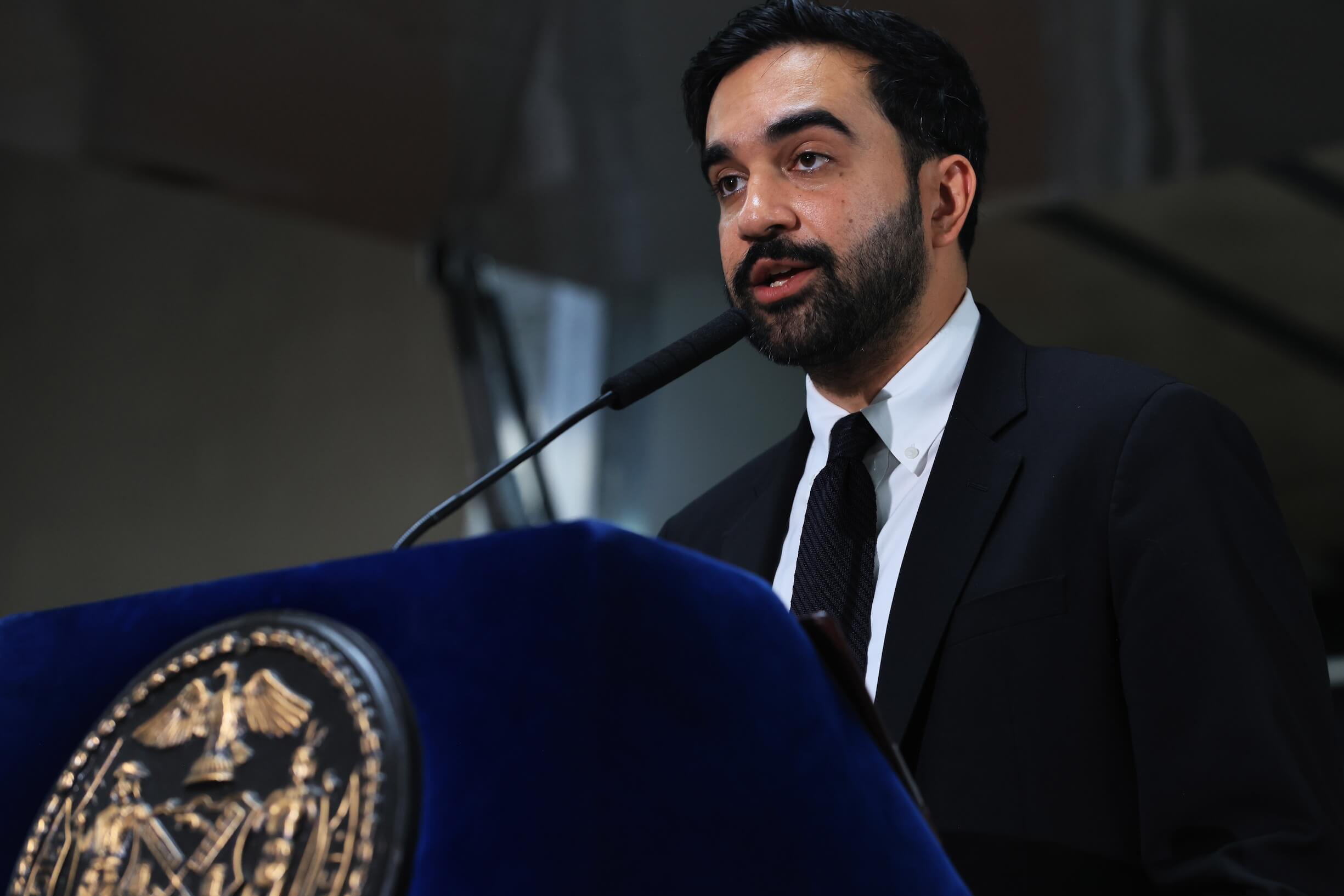
The closed-door roundtable at City Hall convened by New York City Mayor Zohran Mamdani highlights the intersection of municipal governance and foreign policy discourse. By bringing together ten rabbis from Reform, Conservative, Reconstructionist, and Modern Orthodox congregations, the administration aimed to address local antisemitism. However, the operational effectiveness of such forums depends on inclusive administrative architecture and broad institutional buy-in.
When municipal leadership engages with ethno-religious constituencies, the omission of established representative bodies alters the credibility of the proceeding. The New York Board of Rabbis, representing over 750 metropolitan-area rabbis, confirmed it received no invitation. This structural exclusion introduces friction regarding municipal authorities validating representative legitimacy.
Strategic Fractures in Community Relations
Reactions from religious leadership outside the invited circle underscore skepticism regarding the administration’s strategic motives. Rabbi Chaim Steinmetz of Congregation Kehilath Jeshurun characterized the initiative as a public relations maneuver rather than substantive community repair. Such critiques reveal the operational challenges municipal leaders face when pivoting from high-profile rhetoric to grassroots reconciliation.
Executive commentary on international geopolitics frequently complicates domestic coalition-building. The friction between the mayor’s office and prominent rabbinic figures demonstrates the operational cost of misaligned priorities between municipal messaging and community security concerns.
The Substance of Closed-Door Dialogue
During the hour-long session, attending clergy delivered a uniform message regarding the impact of the mayor’s public statements. According to participants such as Rabbi Rick Jacobs, president of the Union for Reform Judaism, consensus centered on the friction caused by the mayor’s criticism of Israel and its leadership. This unified feedback across diverse denominations points to a cohesive set of community concerns.
Participants emphasized that public denunciations of foreign governments cascade downward, affecting local social cohesion and complicating collaborative efforts on domestic policy. The demand for a recalibration of tone reflects an institutional desire to avoid exacerbating local tensions.
Institutional Legitimacy and Representative Reach
Public declarations from major rabbinic organizations underscore the limits of selective engagement strategies in diverse urban environments. By omitting comprehensive oversight bodies like the New York Board of Rabbis, the municipal administration risks reinforcing perceptions of administrative insulation. Representative governance requires engagement with institutional frameworks possessing structural longevity rather than ad-hoc roundtables.
This dynamic illustrates systemic difficulties when domestic governance intersects with polarized international conflicts. Administrative decisions regarding guest lists are scrutinized as indicators of political intent, exposing institutional distrust that technical communication adjustments cannot easily resolve.