Strategic Asymmetry: Pitching Peripheral Analysis
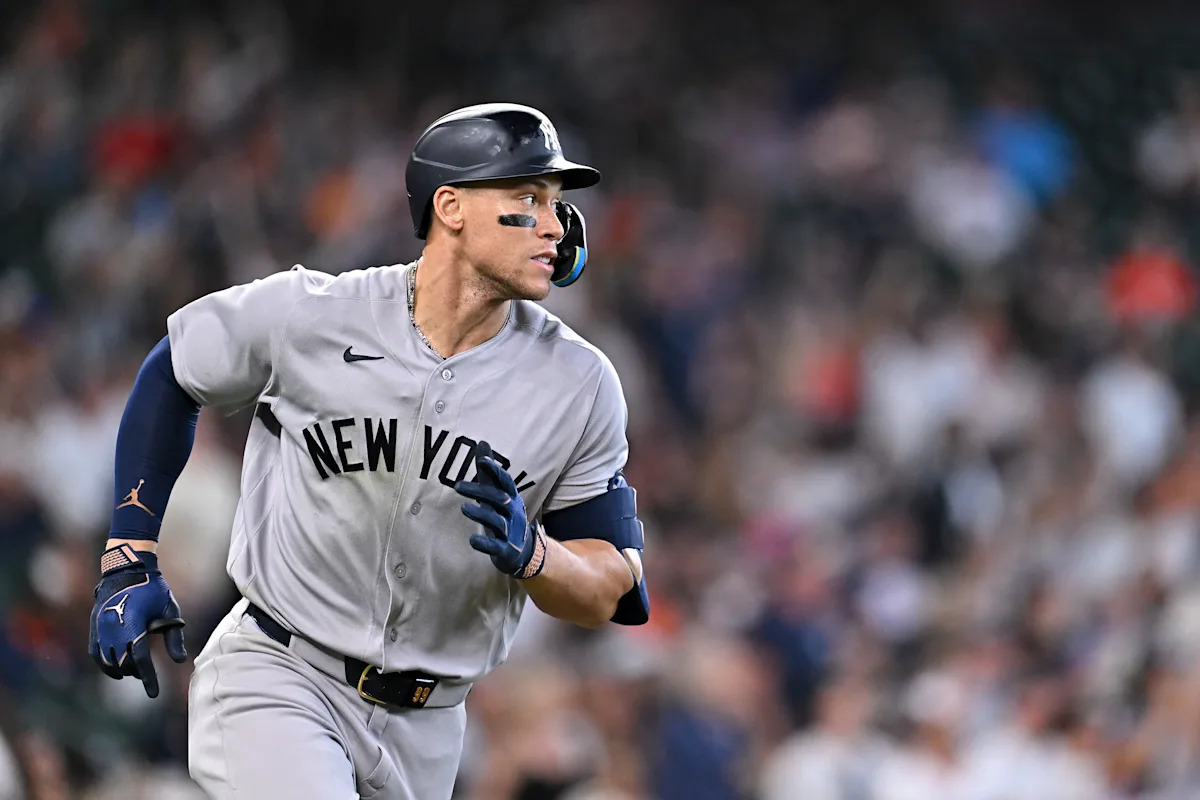
The New York Yankees (18-10) enter the April 27 series opener at Globe Life Field positioned as significant favorites against the Texas Rangers (14-14). The contest serves as a high-resolution case study in pitching efficiency versus high-volatility contact profiles. As New York seeks to rebound from a snapped eight-game win streak, the primary analytical focus shifts to the divergence between Max Fried’s regression-resistant metrics and Jack Leiter’s elevated barrel risk.
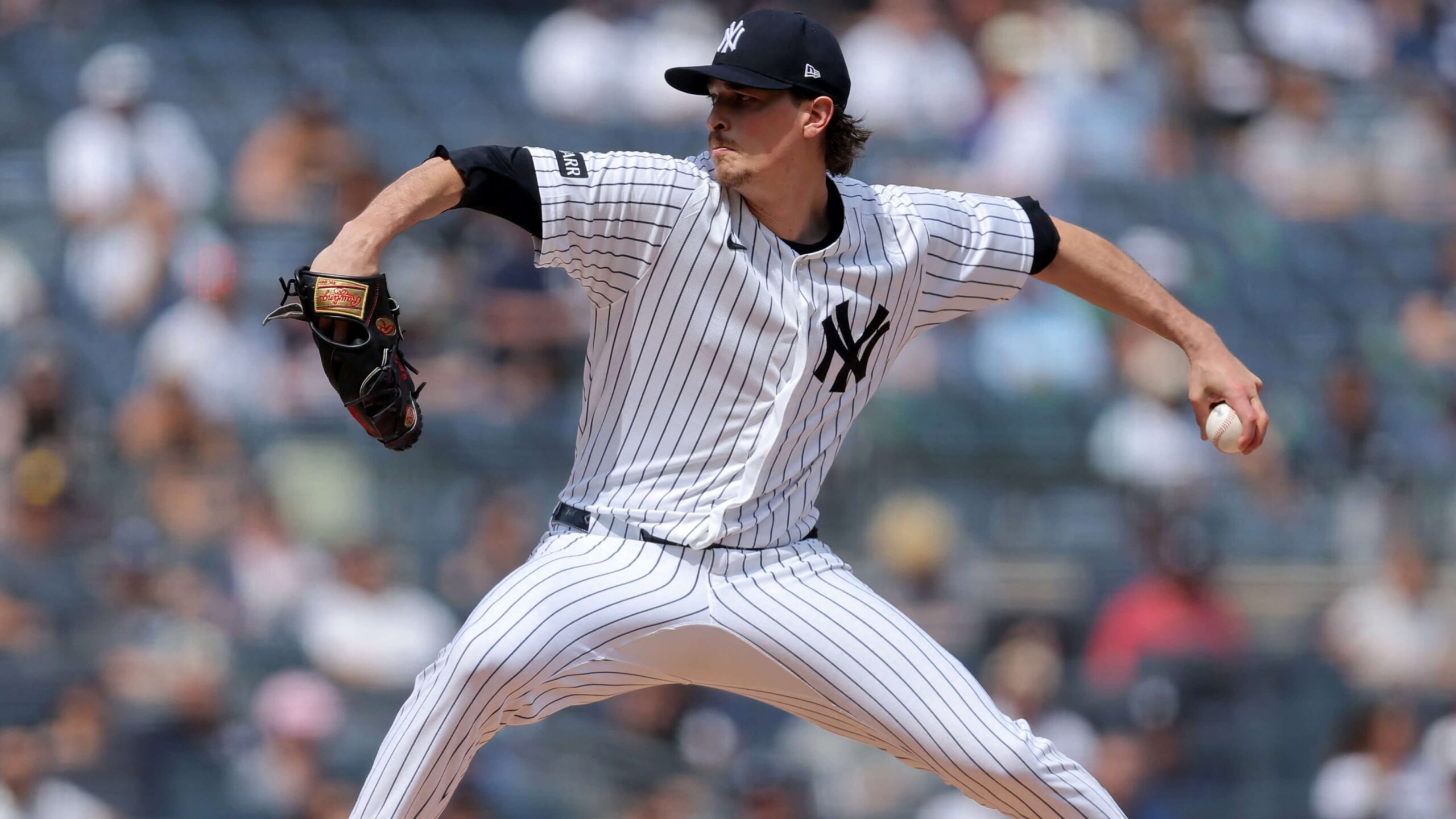
Max Fried: The Architecture of Base-Runner Suppression
Fried’s 0.77 WHIP represents a near-historic level of efficiency, fundamentally disrupting the Rangers’ offensive sequencing. By limiting base runners to fewer than one per inning, Fried effectively neutralizes Texas’s transition game and situational hitting. His 2.40 ERA is supported by a nearly 50% ground-ball rate—a crucial asset on the artificial turf of Globe Life Field, where lateral speed is often rewarded. Fried’s 30% chase rate exploits the Rangers’ primary structural weakness: a league-worst chase contact rate. This tactical mismatch suggests Fried will likely maintain low pitch counts by forcing empty swings on out-of-zone breaking balls.
Jack Leiter: Navigating the Exit Velocity Crisis
Conversely, Jack Leiter (4.97 ERA, 1.46 WHIP) presents a vulnerable profile characterized by a bottom-15 percentile barrel rate. This metric indicates that despite Leiter’s raw stuff, opposing hitters are consistently finding optimal launch angles and exit velocities. Against a Yankees lineup currently in a high-performance offensive cycle, this lack of contact quality control is an operational liability. The 1.46 WHIP necessitates high-stress pitching in early innings, likely taxing the Texas bullpen by the mid-game pivot. For Texas to compete, Leiter must pivot from power-reliant sequences to more deceptive location-based strategies.
Market Probability and Implied Value
Financial markets have converged on a -180 price for the Yankees, reflecting a 61.2% implied win probability. This valuation accounts for the disparity in starting pitching FIP (Fielding Independent Pitching) and New York’s superior bullpen depth. The Over/Under of 8.0 suggests a binary outcome: either Fried continues his suppression of the Texas lineup to keep the total low, or New York’s bats exploit Leiter’s barrel rate to trigger the over. Statistical modeling favors the Yankees covering the -1.5 spread, given the compounding nature of Texas’s high whiff rate against Fried’s command.
Venue Dynamics and Environmental Impact
The climate-controlled environment of Globe Life Field eliminates atmospheric volatility, placing the outcome squarely on mechanical execution. While the 64°F temperature does not aid ball flight, the synthetic surface increases the velocity of ground-ball transit. Fried’s ability to induce soft contact toward his infield defenders creates a high-probability path to victory. For the Rangers, the path requires uncharacteristic plate discipline from the middle of the order—Nimmo, Jung, and Seager—to force Fried into high-leverage counts and exploit the rare mistakes in his delivery.