
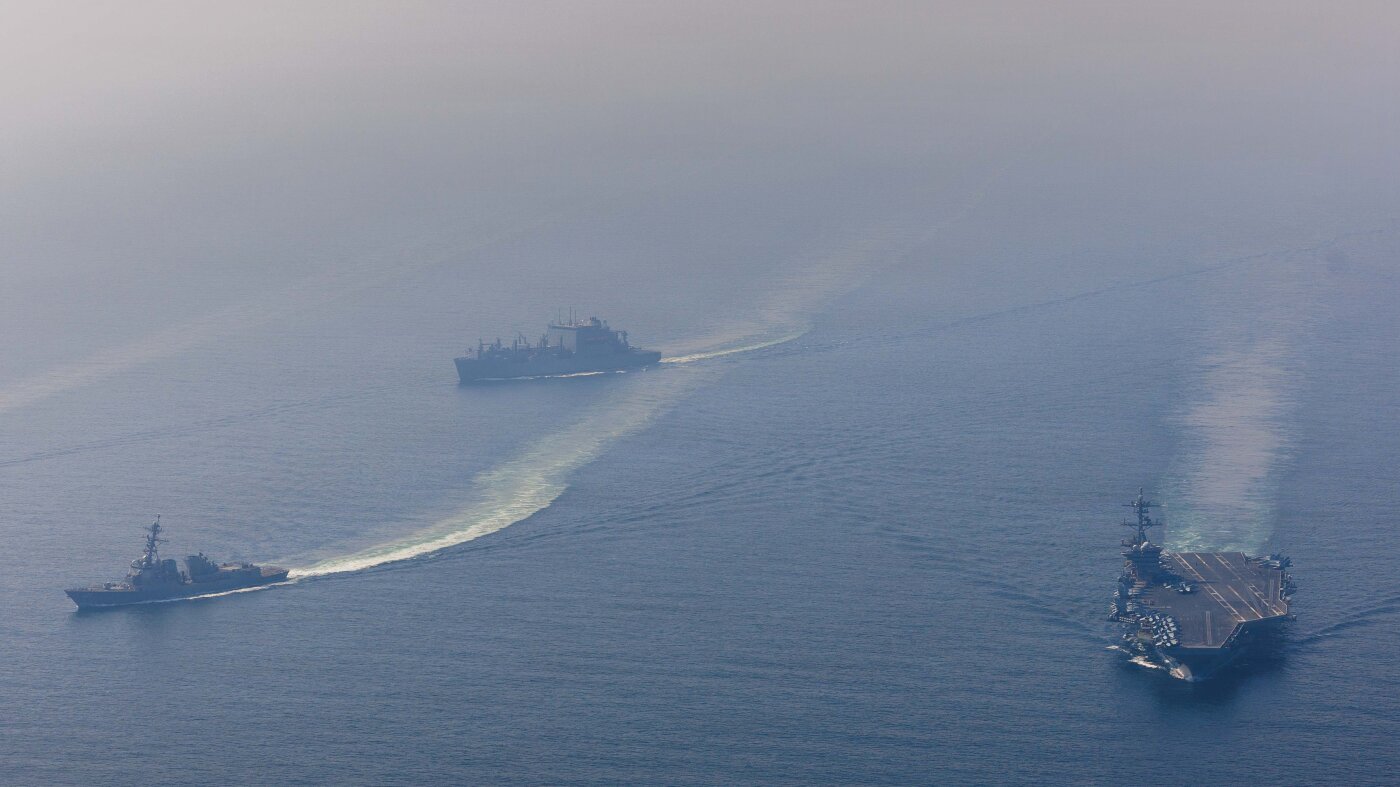
The deployment of U.S. naval assets to the Strait of Hormuz represents a strategic pivot from kinetic engagement to a sustained campaign of maritime economic attrition. By leveraging the Persian Gulf’s unique geography, Washington aims to neutralize Iran’s primary fiscal backbone—petroleum exports—through a concentrated naval presence. This transition follows the failure of air and missile strikes to secure diplomatic concessions, placing the burden of enforcement on U.S. Central Command (CENTCOM).
Operational Nuance: Blockade vs. Quarantine
While the administration uses the term “blockade,” strategic analysts, including Bryan Clark of the Hudson Institute, distinguish the operation as a “naval quarantine.” This legal and tactical distinction is critical: a quarantine targets specific contraband—sanctioned petroleum—rather than enforcing a total closure of the waterway. This selective interdiction preserves the “freedom of navigation” for other regional exporters like Saudi Arabia and the UAE, maintaining global energy stability while specifically isolating Tehran.
For the Fifth Fleet, the operational burden is immense. Identifying and verifying cargo for thousands of vessels in real-time requires sophisticated Intelligence, Surveillance, and Reconnaissance (ISR) integration and frequent Visit, Board, Search, and Seizure (VBSS) operations. Every interception within the narrow shipping lanes increases the probability of tactical miscalculation or asymmetric retaliation from Iranian coastal defense systems.
The 60-Day Fiscal Threshold
Market data indicates Iran has the structural capacity to sustain operations for approximately 60 days without active exports. Beyond this window, the regime faces a technical crisis: the requirement to cap oil wells. Unlike standard production adjustments, capping is often irreversible in the short term, risking permanent reservoir damage and requiring massive capital expenditure to restart. This two-month countdown forces a race between U.S. naval endurance and Iranian fiscal resilience.
Systemic Impacts on Global Shipping
The mission’s success hinges on maintaining the delicate balance between maximum pressure and global market equilibrium. Any perception of an indiscriminate blockade could trigger a surge in Brent crude prices and maritime insurance premiums. Furthermore, the sustained high-tempo operation tests the long-term logistical sustainability of U.S. naval presence, as blockades are historically resource-intensive and prone to mission creep.
Ultimately, the Hormuz interdiction is a test of maritime power projection as a tool of economic coercion. The outcome will depend on whether the U.S. can maintain a leak-proof perimeter without escalating into a regional conflagration, as Iran may view the permanent degradation of its energy infrastructure as an existential threat necessitating a high-risk response.