
Strategic Spatial Reconfiguration
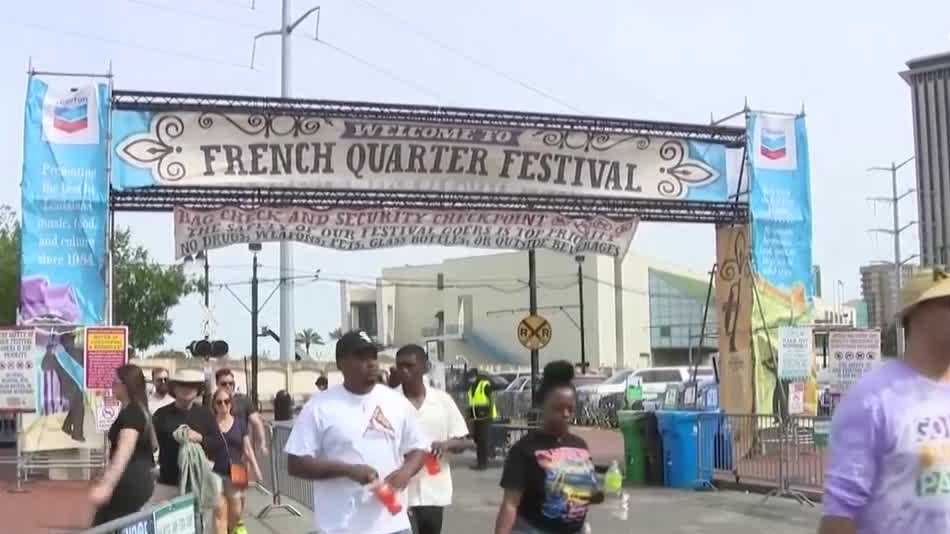
The 2026 French Quarter Festival (April 16-19) signals a transition in New Orleans’ large-scale event management. By integrating the Goldring–Woldenberg Riverfront Park into its footprint, organizers are strategically redistributing a projected attendance of nearly one million, effectively decompressing the historic French Quarter core while maintaining high-density capacity.
Economic Drivers and Culinary Curation
Food and beverage operations serve as the festival’s primary economic barometer. Director Kenneth Spears utilizes a dual-track curation strategy: preserving culinary heritage, such as Vaucresson’s Creole hot sausage, while integrating global fusion trends. This platform functions as an incubator for local enterprises like Fritai, allowing businesses to leverage high-volume visitor traffic to bolster brand equity and underscore the city’s role in global culinary exchange.
Logistics and Urban Preservation
Managing high-density events within a historic district requires stringent operational synergy between the NOPD, the Regional Transit Authority (RTA), and private stakeholders. The festival’s reliance on multimodal transit—including ferries and designated off-site parking at 500 Decatur Street—is essential for balancing modern tourism demands with the constraints of New Orleans’ urban architecture. Future traffic ordinances will remain the definitive variable in ensuring public safety and operational efficiency.
Institutional Sustainability
CEO Emily Madero has reinforced the festival’s status as a fundamental pillar of the city’s economic framework. By extending the event’s reach toward the New Orleans Jazz Museum, the organization demonstrates a scalable model that preserves the authentic “free-access” ethos while accommodating contemporary market expectations. This harmonization of cultural legacy and modern logistical requirements is critical for the long-term viability of the New Orleans tourism economy.
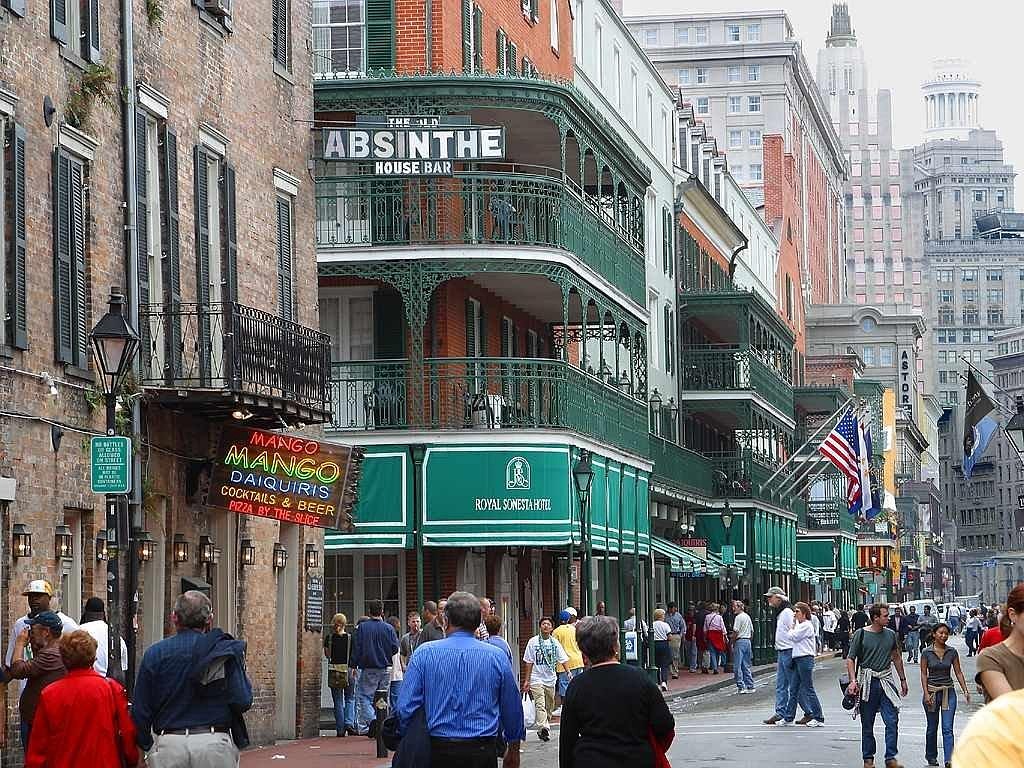
Photo by PDPhotos on Pixabay.