
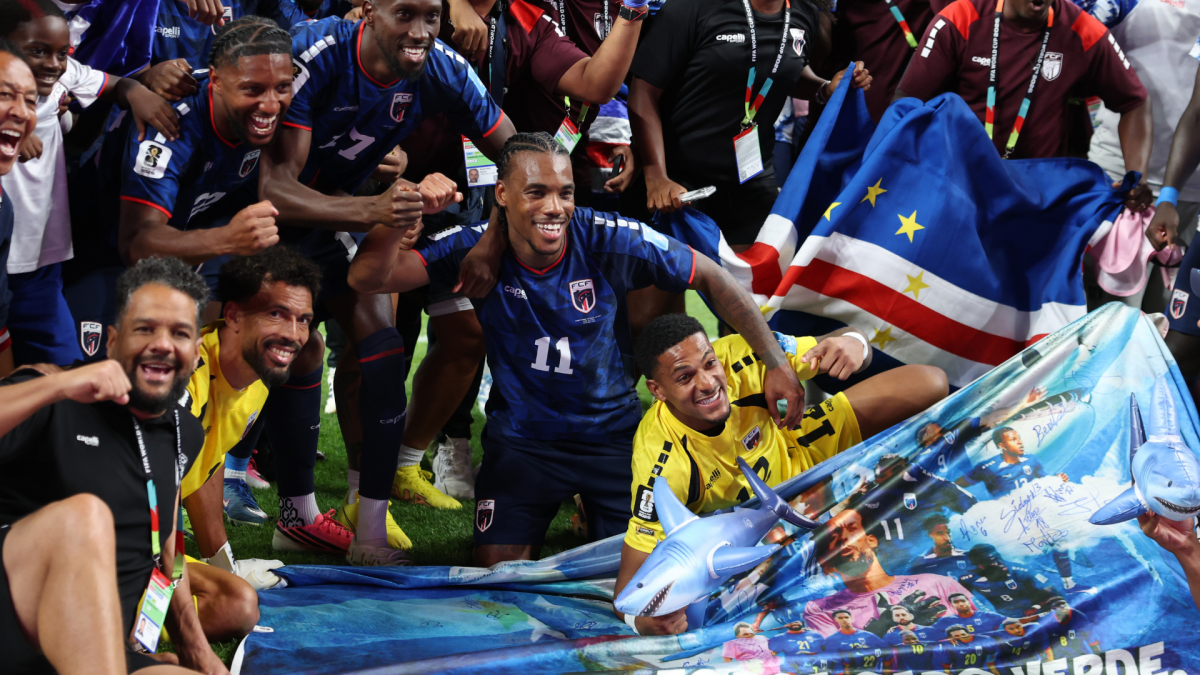
Strategic Implications of the Round of 32
The current World Cup has highlighted a volatile competitive landscape, forcing top-tier nations to adapt to increasingly sophisticated low-block strategies. Cape Verde’s progression into the Round of 32 serves as a definitive case study in structural discipline, challenging the traditional hierarchy of international football.
As Argentina prepares for this fixture, the tactical focus shifts from individual flair to the structural integrity required to dismantle a defensive shell. The encounter serves as a litmus test for tournament favorites to manage the psychological and technical pressures of a knockout environment against an opponent prioritizing collective utility over possession.
The Defensive Blueprint
Cape Verde’s tactical cohesion—anchored by the performances of Vozinha, Diney Borges, and Pico Lopes—demonstrates how elite organizational discipline can mitigate significant talent disparities. This is not merely a statistical outlier but a strategic mandate: prioritizing structural stability over offensive transition to frustrate high-possession opponents.
Argentina must demonstrate clinical patience, as their ability to penetrate a well-drilled defensive block will dictate their trajectory in the tournament. In knockout football, where the margin for error is razor-thin, maintaining tactical composure under pressure is paramount to avoiding an early exit.
Institutional and Competitive Pressure
Comments from the Argentinian camp, including those from Rodrigo de Paul, reflect an acute awareness of the dangers inherent in underestimating disciplined adversaries. For established footballing powers, the reputational and financial costs of failing to overcome a perceived underdog are immense.
Conversely, Cape Verde enters the match with the momentum of their historic run and minimal external institutional expectations. This disparity in psychological burden often provides the underdog with the clarity required to execute specific, high-stakes defensive strategies effectively.
Systemic Trends in International Football
The success of emerging nations in the knockout stages signifies a broader democratization of tactical sophistication. Smaller footballing programs are increasingly capable of implementing robust organizational frameworks that disrupt the rhythm of elite teams, rendering traditional performance metrics less predictive.
Ultimately, this match represents the intersection of Argentina’s offensive technicality and Cape Verde’s defensive resolve. The result will provide further evidence of the shifting competitive balance in global football, where tactical adaptability and systemic cohesion are becoming the primary differentiators of success.

Photo by QuinceCreative on Pixabay.