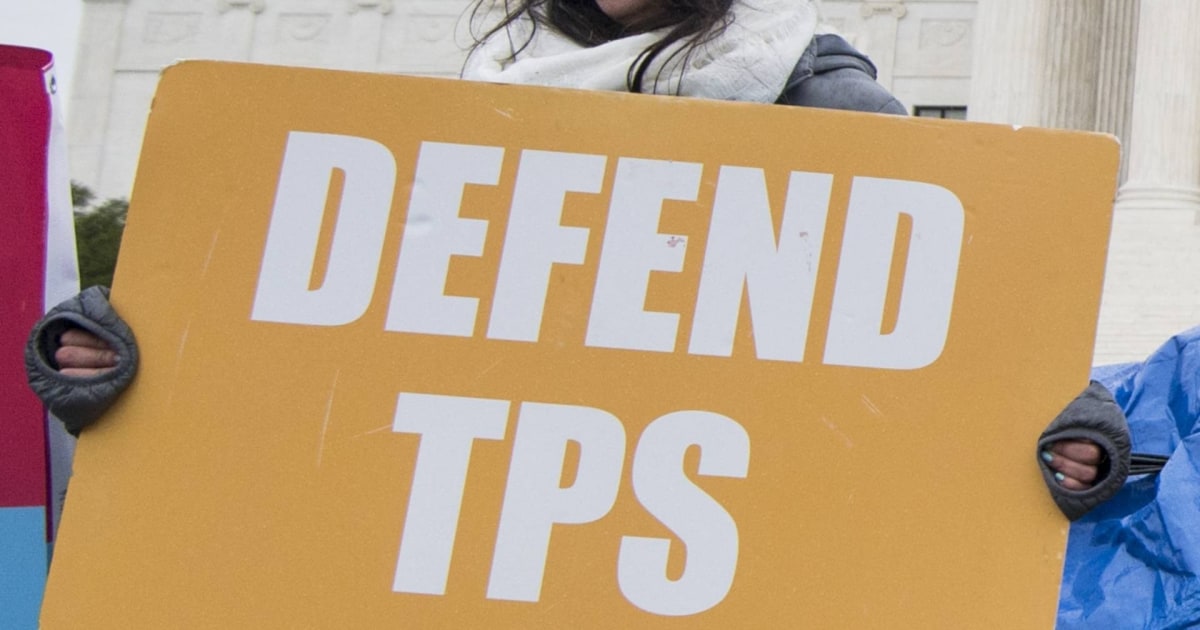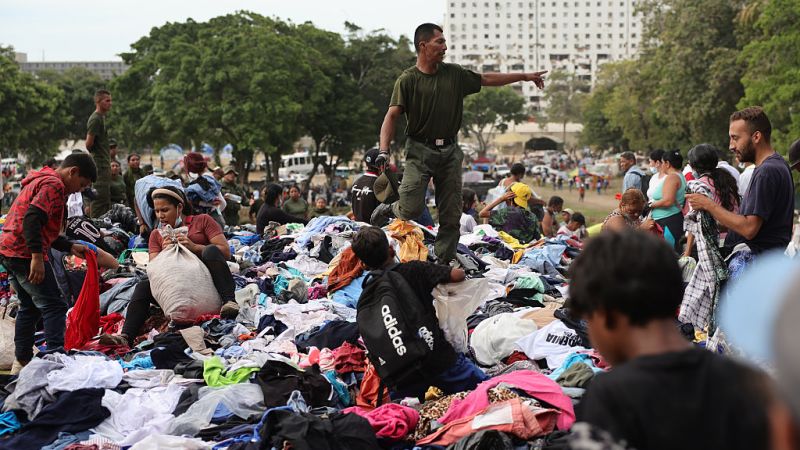
The Venezuelan diaspora in the United States currently occupies a precarious legal nexus, intensified by a significant judicial pivot and a humanitarian catastrophe. Recent seismic activity in Venezuela has transcended physical devastation, acting as a catalyst for a complex recalibration of U.S. immigration policy. For the thousands of beneficiaries under discretionary relief, this convergence represents a moment of maximum systemic vulnerability.
The Judicial Bottleneck: Erosion of Executive Discretion
The strategic landscape for Temporary Protected Status (TPS) has been fundamentally disrupted by recent U.S. Supreme Court jurisprudence regarding protections for Haitian nationals. This ruling is viewed by legal scholars as a systemic challenge to the Executive branch’s historical authority to extend protections based on fluid country conditions. By narrowing the window for administrative extensions, the Court has signaled a transition toward a restrictive interpretation of statutory requirements, placing existing beneficiaries in a state of ‘legal limbo.’
This judicial intervention curtails the Department of Homeland Security’s operational flexibility. As the legal framework tightens, the Haitian precedent serves as a bellwether for all nations currently holding TPS designations, forcing advocacy groups to seek legislative alternatives in an increasingly polarized environment. The reliance on executive discretion, once the bedrock of TPS management, is reaching a point of diminishing returns.
Legislative Maneuvering and Economic Stakes
Representative Maria Elvira Salazar (FL-27) has positioned the recent earthquakes as a statutory trigger for a new TPS designation. Under current U.S. law, environmental disasters provide a specific legal pathway for protection when a country is unable to manage the return of its nationals. Salazar’s strategy aligns with a broader push from the Florida delegation to decouple humanitarian necessity from ideological border security rhetoric.
The stakes are not merely humanitarian but economic. In regions like Miami-Dade, Venezuelan professionals are deeply integrated into the logistics and service sectors. The expiration of legal status would trigger a labor market shock, potentially destabilizing regional supply chains. Consequently, local governance—led by Mayor Daniella Levine Cava—has elevated the TPS debate from foreign policy to domestic economic preservation.
Institutional Erosion: The ICE Leadership Vacuum
The sudden resignation of Todd Lyons, Acting Director of Immigration and Customs Enforcement (ICE), introduces administrative volatility. This leadership vacuum complicates the enforcement of removal stays and the processing of renewal applications. For stakeholders, this institutional turnover increases the risk of arbitrary enforcement and delayed policy directives, further isolating a population already in a state of psychological shock.
The lack of permanent leadership hinders inter-agency coordination with the State Department, particularly regarding the logistics of repatriation during a disaster. Given the post-earthquake conditions, large-scale returns face insurmountable diplomatic and operational hurdles, yet the lack of clear federal guidance persists.
Conclusion: The Structural Fragility of Temporary Relief
The current crisis exposes the inherent fragility of TPS as a long-term solution for systemic collapse. What was designed as a temporary bridge has become a permanent state of uncertainty. As the Supreme Court restructuring continues to challenge administrative reach, the Venezuelan experience may necessitate a fundamental rethink of how the U.S. manages humanitarian migration in the Western Hemisphere. The resolution of this crisis will define the balance between judicial conservatism, administrative capacity, and humanitarian obligation for the coming decade.