The Strategic Reconfiguration of the 2026 World Cup
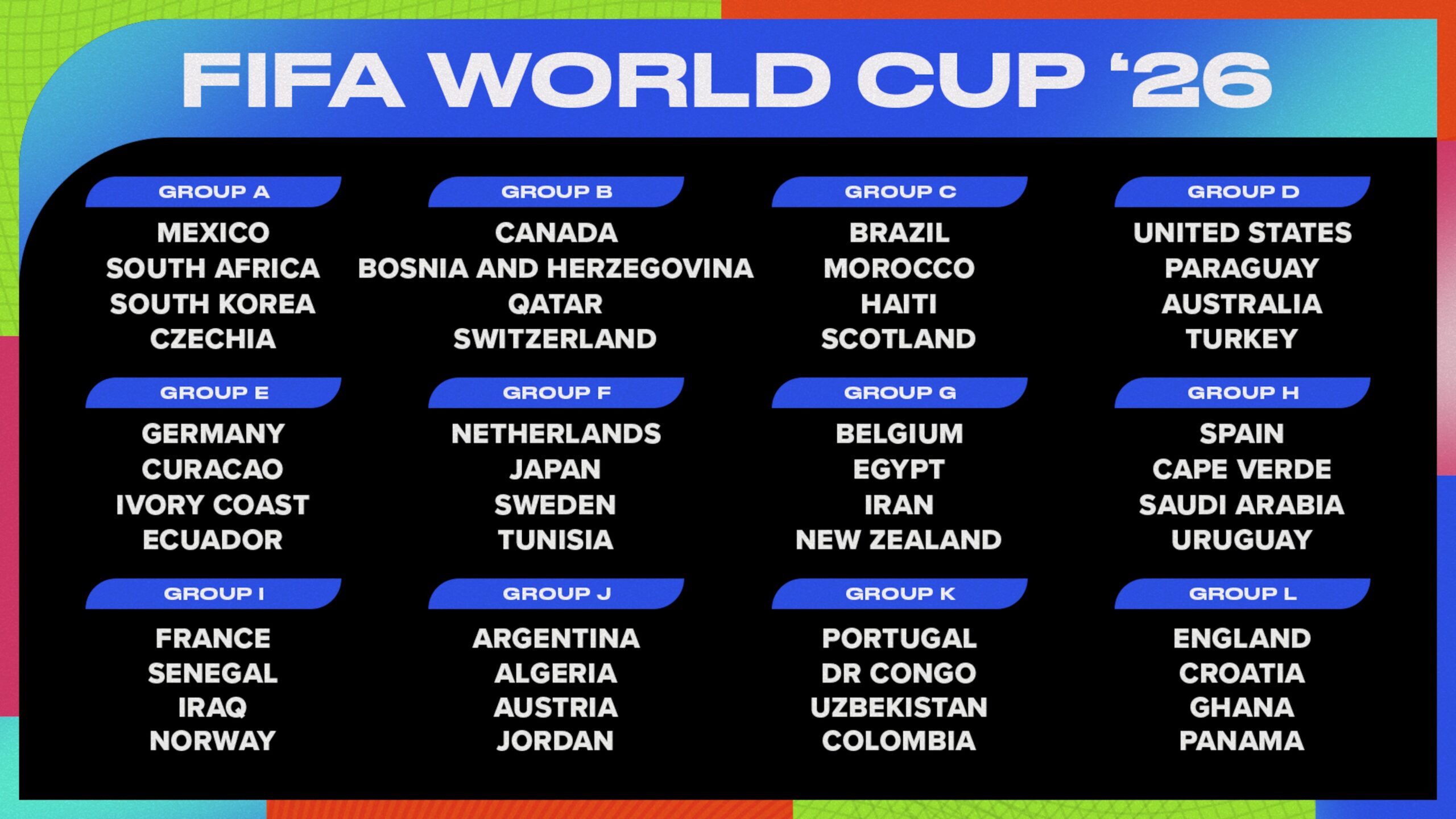
The expansion to a 48-team format in the 2026 FIFA World Cup represents a definitive shift in international tournament architecture. While critics initially feared a dilution of quality, the early stages have demonstrated that the increased volume of fixtures has instead heightened tactical volatility, as teams navigate a more complex path to the knockout rounds.
Operational Logistics and Competitive Parity
Hosting across the United States, Mexico, and Canada introduces significant logistical challenges, specifically concerning squad travel and acclimatization across disparate climate zones. This decentralization requires teams to demonstrate superior depth and adaptability, as the physical toll of inter-continental transit interacts with the intensity of high-stakes tournament play.
Mathematical Incentives and Risk Management
The updated progression criteria—including the inclusion of third-placed teams—fundamentally alters group-stage strategy. Managers must now balance the pursuit of maximum points with goal-differential management, a metric that effectively forces a more proactive offensive posture compared to traditional formats. This has introduced a measurable uptick in competitive urgency from the tournament’s opening matches.
Disciplinary Impact and Performance Volatility
Early data indicates that disciplinary control is a critical determinant of success within the 48-team structure. Red cards carry cascading consequences for squad rotation and tactical flexibility, punishing teams that lack sufficient bench depth. High-margin scorelines in early fixtures serve as a catalyst for defensive reassessment, as teams underperform under the intense scrutiny of a global audience.
Institutional and Economic Significance
The 2026 model functions as a critical stress test for multi-nation hosting frameworks. Beyond the athletic competition, the event acts as an economic driver for regional infrastructure, with host cities leveraging the tournament to optimize tourism and urban utility. For governing bodies, the tournament’s ability to sustain high-engagement levels across a larger volume of games will serve as the primary indicator for the long-term viability of the expanded format.
Evaluating Long-Term Structural Trends
The performance of mid-tier nations in the 2026 group stages underscores a narrowing gap in competitive talent, provided tactical discipline is maintained. As squads manage fatigue over the condensed calendar, the tournament rewards long-term planning and athletic endurance. The lessons derived from this edition will inevitably influence future FIFA bidding processes and the governance of large-scale sporting properties.