
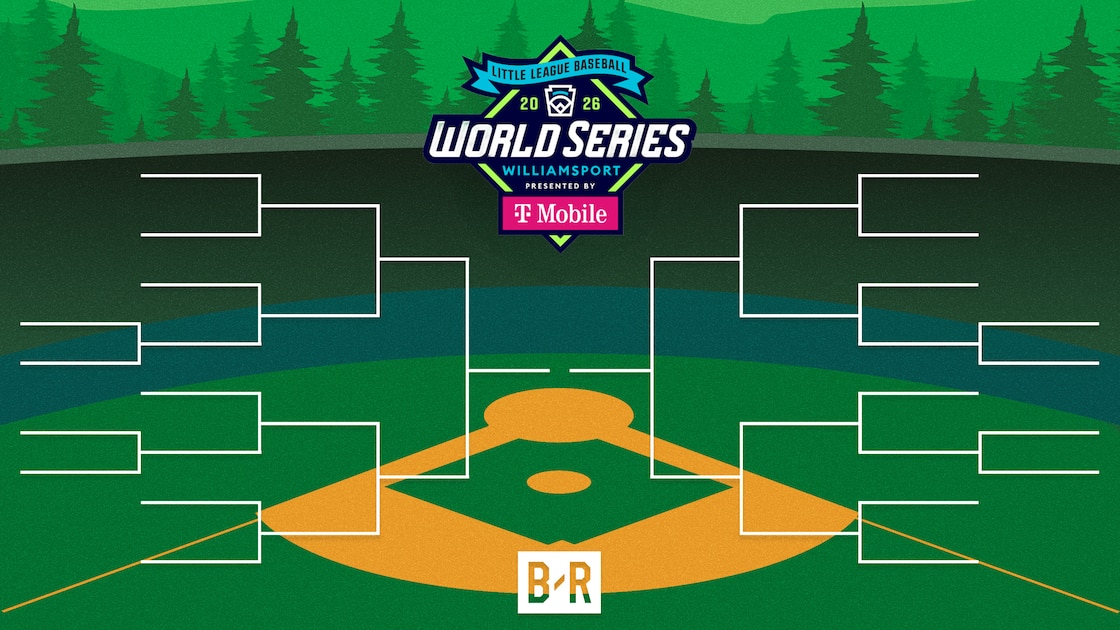
The 2026 Little League World Series (LLWS) in Williamsport, Pennsylvania, convenes a 20-team international field divided symmetrically into ten United States and ten International regional champions. Hosted across Howard J. Lamade and Volunteer stadiums, the tournament employs a modified double-elimination format that tests managerial depth, pitch-count economy, and organizational stamina. This structural framework isolates single-game variance by providing a secondary pathway through the elimination bracket, requiring clubs that concede early losses to win consecutively under compressed rest intervals.
As media distribution networks, including Yahoo Sports and USA TODAY, track daily competitive progressions, the bracket winnows both halves down to two remaining competitors per side. The surviving domestic and international squads converge in their respective bracket finals on August 29, establishing the pairing for the global championship contest on August 30.
Early-Round Matchup Dynamics and Bracket Volatility
Initial-round action underscored the tactical demands of the double-elimination structure. In the United States bracket, the Mountain Region champion from Henderson, Nevada, demonstrated defensive efficiency and run-sequencing in a shutout victory over the Northwest Region squad from Tacoma, Washington, catalyzed by a five-run fifth inning and dominant mound command. This outcome diverted Tacoma into the lower bracket, compressing their margin for error across subsequent high-leverage fixtures.
On the International side, tactical discipline defined high-leverage pairings, exemplified by Nicaragua (representing Latin America) securing a contested victory over Mexico. Such results immediately altered strategic resource allocation for traditional regional powerhouses like Panama and Canada, compelling both programs to manage pitcher rest thresholds while navigating single-elimination pressures to preserve tournament viability.
Institutional Infrastructure and Pipeline Economics
The Williamsport tournament functions as the premier operational showcase within global youth sports governance, integrating international amateur federations, broadcast rights holders, and municipal economic stakeholders. The longevity of the event establishes an institutional benchmark for developmental youth baseball, generating standardized talent assessments and substantial regional economic impact.
Analytical interest centers on the correlation between structured regional player development models and performance under televised, high-pressure tournament conditions. As the 2026 field contracts ahead of championship weekend, competitive leverage shifts toward organizations with superior bullpen depth and strategic adaptability across compressed elimination cycles.