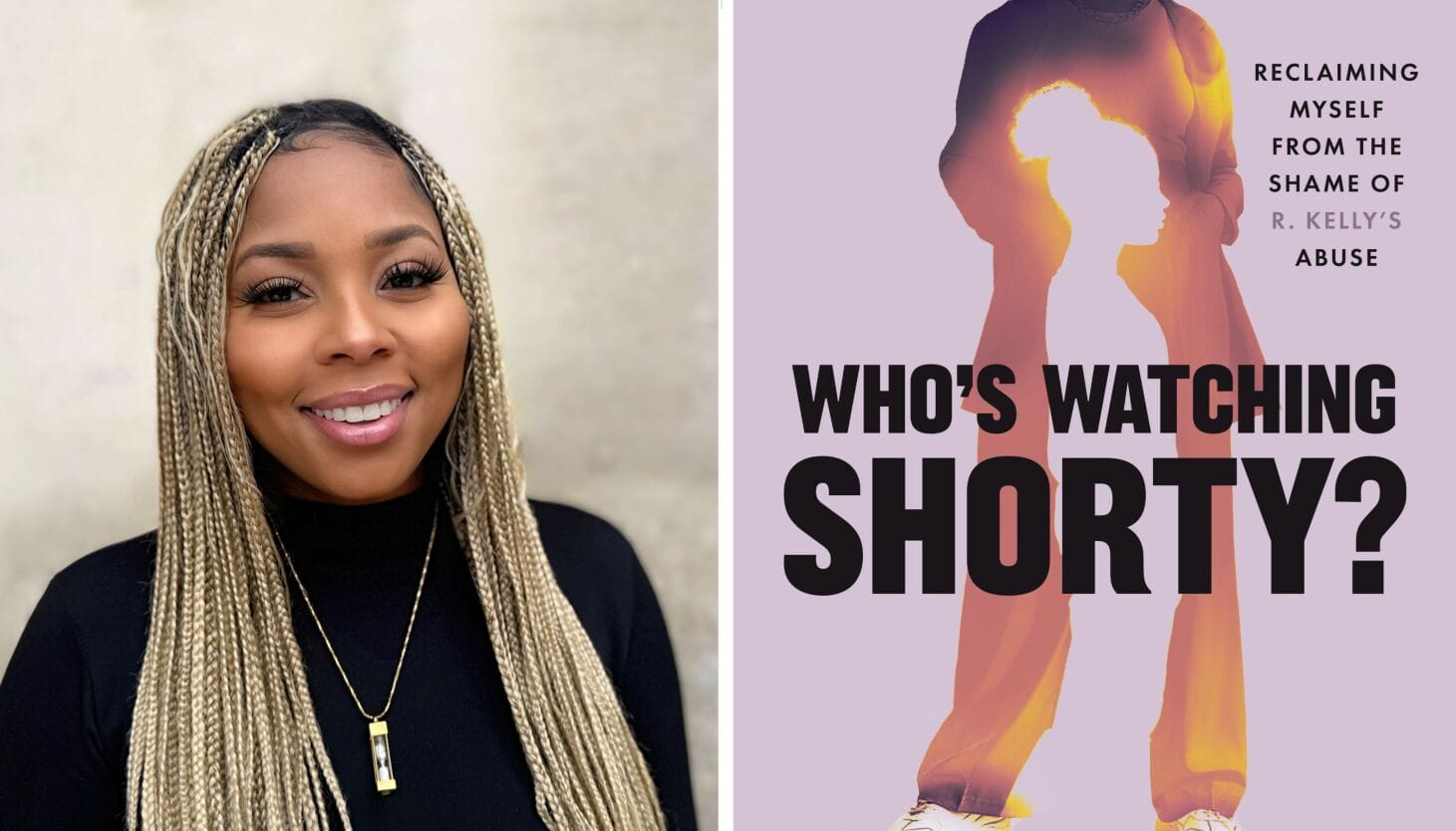
Reshona Landfair, who previously testified under the pseudonym ‘Jane Doe’ during R. Kelly’s 2022 federal trial, has publicly shared her story, emphasizing her reclaimed identity. Landfair stated that her “true self today is Reshona Landfair,” marking a significant personal step following her involvement in testimony related to the convicted R&B artist.
The woman, also known by aliases including ‘Cho,’ detailed her experiences which stemmed from alleged abuse perpetrated by R. Kelly, her now convicted godfather. Landfair was filmed in a video in association with R. Kelly, an experience she has been processing through her public statements and the adoption of her birth name.
The testimony provided by Landfair occurred within the context of federal trials where R. Kelly was convicted of racketeering and sex crimes in separate proceedings in 2021 and 2022. Her decision to speak out under her own name signifies a personal act of agency and a move to separate her present identity from past trauma and associations.
The act of reclaiming one’s name and identity after being subjected to abuse, particularly when that abuse is linked to public figures and legal proceedings, involves a complex psychological and social process. For individuals who have testified or been involved in high-profile cases, the legal process itself can reinforce a temporary identity assigned for protection or anonymity. Moving beyond this requires a deliberate effort to assert selfhood and agency.
In legal frameworks governing testimony, especially in cases involving allegations of sexual offenses or exploitation, the use of pseudonyms like ‘Jane Doe’ is a procedural mechanism designed to protect vulnerable witnesses. This anonymity is intended to shield individuals from potential retaliation, public scrutiny, and further victimization, thereby facilitating their ability to provide evidence without undue duress. However, this legal protection, while crucial for the judicial process, can also create a temporary dissociation from one’s personal identity for the witness.
The transition from an assigned legal identifier back to a personal name, as demonstrated by Reshona Landfair, highlights the importance of an individual’s control over their narrative and public presentation. This process is not merely symbolic; it is integral to the recovery and empowerment of survivors. It involves re-establishing personal autonomy and redefining one’s life on one’s own terms, independent of the experiences that necessitated the use of an anonymous identity in the first place.
The legal system’s procedures for witness protection, while ethically grounded, can inadvertently contribute to a fragmentation of identity for those involved. The ‘Jane Doe’ designation serves a specific judicial function, creating a legal persona distinct from the individual’s private identity. The subsequent reclamation of a personal name, therefore, represents a critical step in the psychological reintegration and assertion of self by the individual, moving from a role defined by legal necessity to a public presence defined by personal choice.
Furthermore, the public nature of trials, even those involving measures to protect witnesses, can lead to the individual becoming associated with the events of the trial rather than their whole person. This can create a public perception that overshadows their individual life and aspirations. Landfair’s decision to speak out and reclaim her name actively challenges this potential narrative, seeking to establish her identity based on her present self and future aspirations, rather than solely on past experiences.
The institutional context of celebrity accountability and the legal pathways for addressing alleged criminal conduct are complex. R. Kelly’s convictions for racketeering and sex crimes in federal trials in 2021 and 2022 reflect the culmination of extensive legal investigations and proceedings. Witnesses like Landfair play a critical role within these institutional structures by providing testimony that can lead to judicial findings of guilt. The administration of justice in such high-profile cases often involves balancing the need for public accountability with the protection of individuals who come forward.
The narrative surrounding survivors of abuse, particularly when their experiences become public through legal processes, often requires careful navigation. Media portrayal and public discourse can easily sensationalize or misrepresent individual journeys. Landfair’s proactive step in sharing her story under her own name aims to control this narrative, emphasizing her personal growth and resilience. This aligns with broader societal efforts to ensure that survivors are recognized for their strength and their right to self-determination.
The legal system’s procedural tools, such as the allowance of anonymous testimony, are administrative measures designed to ensure the integrity and efficacy of the justice system. These mechanisms are built upon principles of evidence gathering and witness safeguarding. The subsequent personal act of a witness choosing to reveal their identity signifies a personal resolution and a desire to integrate past experiences into a holistic sense of self, thereby moving towards a future where their identity is defined by choice rather than circumstance.
The professional and public arenas are often shaped by the stories that emerge from legal battles. By speaking as Reshona Landfair, she is positioning herself to be recognized for her current life and future endeavors, separate from the identity imposed by the legal proceedings. This is a powerful assertion of agency within a public sphere that can often reduce individuals to the roles they play in significant events.
Ultimately, Landfair’s journey from ‘Jane Doe’ to Reshona Landfair is a testament to the human capacity for resilience and the fundamental importance of self-identity. It underscores the complexities faced by individuals who navigate trauma and legal processes, and their inherent right to define themselves on their own terms. The process of reclaiming one’s name is a significant act of self-empowerment that extends beyond the courtroom, resonating within personal and public spheres alike.