Storm Progression and Alert Dissemination
A rapidly developing severe weather system impacted southeastern Wisconsin Tuesday evening, prompting sequential tornado and severe thunderstorm warnings from the National Weather Service (NWS). Atmospheric instability rapidly intensified, leading to rolling alerts across Dodge, Jefferson, Milwaukee, Ozaukee, Washington, and Waukesha counties.
As the storm front advanced eastward, the NWS identified tornadic rotation in radar signatures, issuing targeted tornado warnings for Washington, Waukesha, and central Milwaukee counties. This escalation placed emergency management services on high alert due to potential tornadic development and significant wind shear.
By late evening, the convective system weakened as it moved toward Lake Michigan. The NWS allowed tornado warnings to expire, and residual severe thunderstorm watches for Racine, Kenosha, and Walworth counties were subsequently canceled, marking the end of active warnings across the region.
Impact on Utility Infrastructure
The storm’s high winds and flying debris exerted significant mechanical stress on regional energy distribution systems. We Energies reported over 40,000 customer interruptions at the peak of the event across its southeastern Wisconsin footprint.
Milwaukee County experienced the most substantial impact, with outages peaking above 22,800 customers. Waukesha County followed with over 12,100 concurrent outages, and Washington County reported nearly 2,500 disruptions during the storm’s passage.
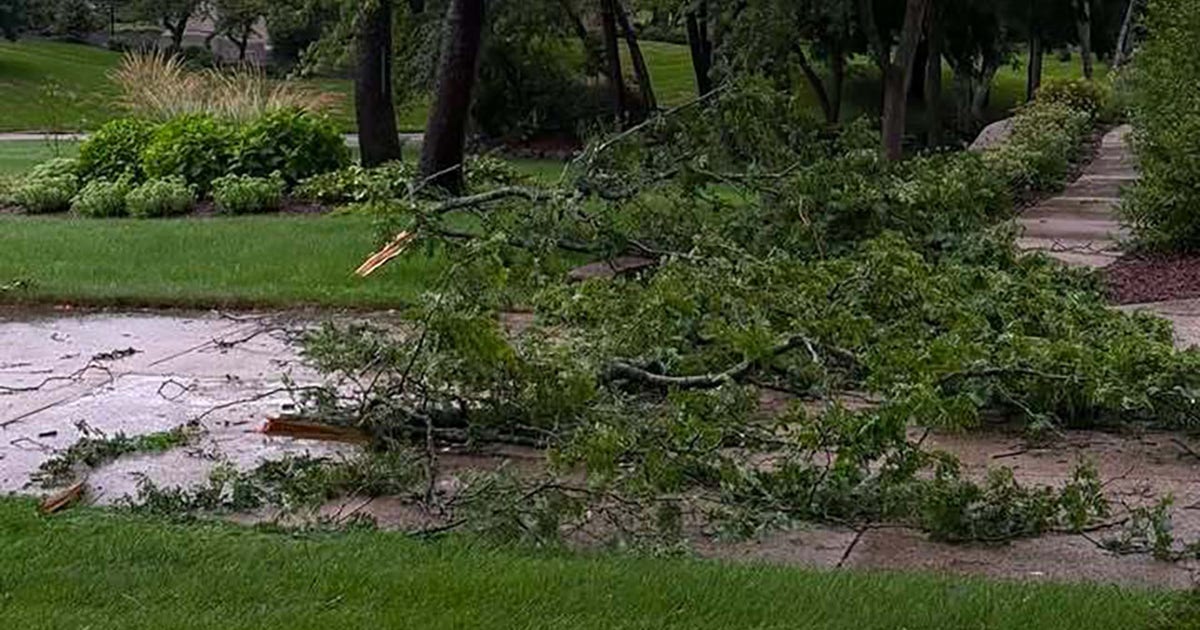
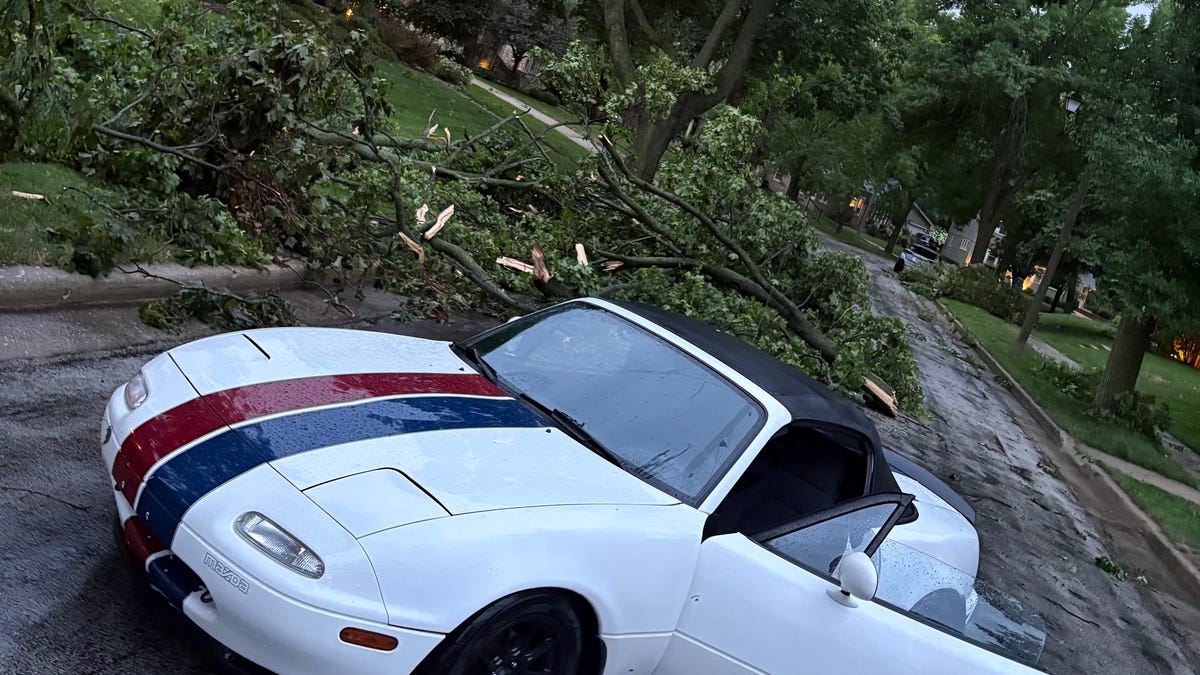
The primary cause of the widespread power loss was the vulnerability of overhead distribution lines to falling trees and debris. The NWS had warned of these hazards, capable of damaging critical infrastructure. Sustained wind gusts caused vegetative contact with power lines, triggering safety cutoffs to prevent cascading grid failures.
Response and Resilience
The event followed standard multi-agency emergency response protocols. The NWS advised immediate sheltering in interior rooms or basements to avoid ballistic debris hazards. Emergency broadcast systems provided continuous real-time updates on storm progression and warning perimeters.
The swift development of severe cells, capable of generating tornadic dynamics in short timeframes, highlighted the critical role of automated alert dissemination in mitigating public risk. The timely cancellation of warnings allowed utility crews to commence damage assessments and restoration efforts without undue delay.
Restoration and Modernization Considerations
The restoration phase involved decentralized damage across urban and suburban areas. We Energies crews prioritized high-voltage transmission lines and critical infrastructure before addressing residential service connections.
Outage concentrations in Milwaukee and Waukesha counties underscore the persistent vulnerabilities of legacy overhead electrical infrastructure. Grid modernization initiatives, including undergrounding utilities, balance the significant capital investment against the recurring costs of storm-related repairs. Above-ground assets remain susceptible to damage during severe weather events.
The August 18 storm event served as a measurable operational test of regional severe weather preparedness and the resilience of southeastern Wisconsin’s power distribution network. The incident concluded with the expiration of all active weather alerts, with damage largely confined to electrical infrastructure, vegetation, and localized property.