Operational Challenges in Major League Weather Management
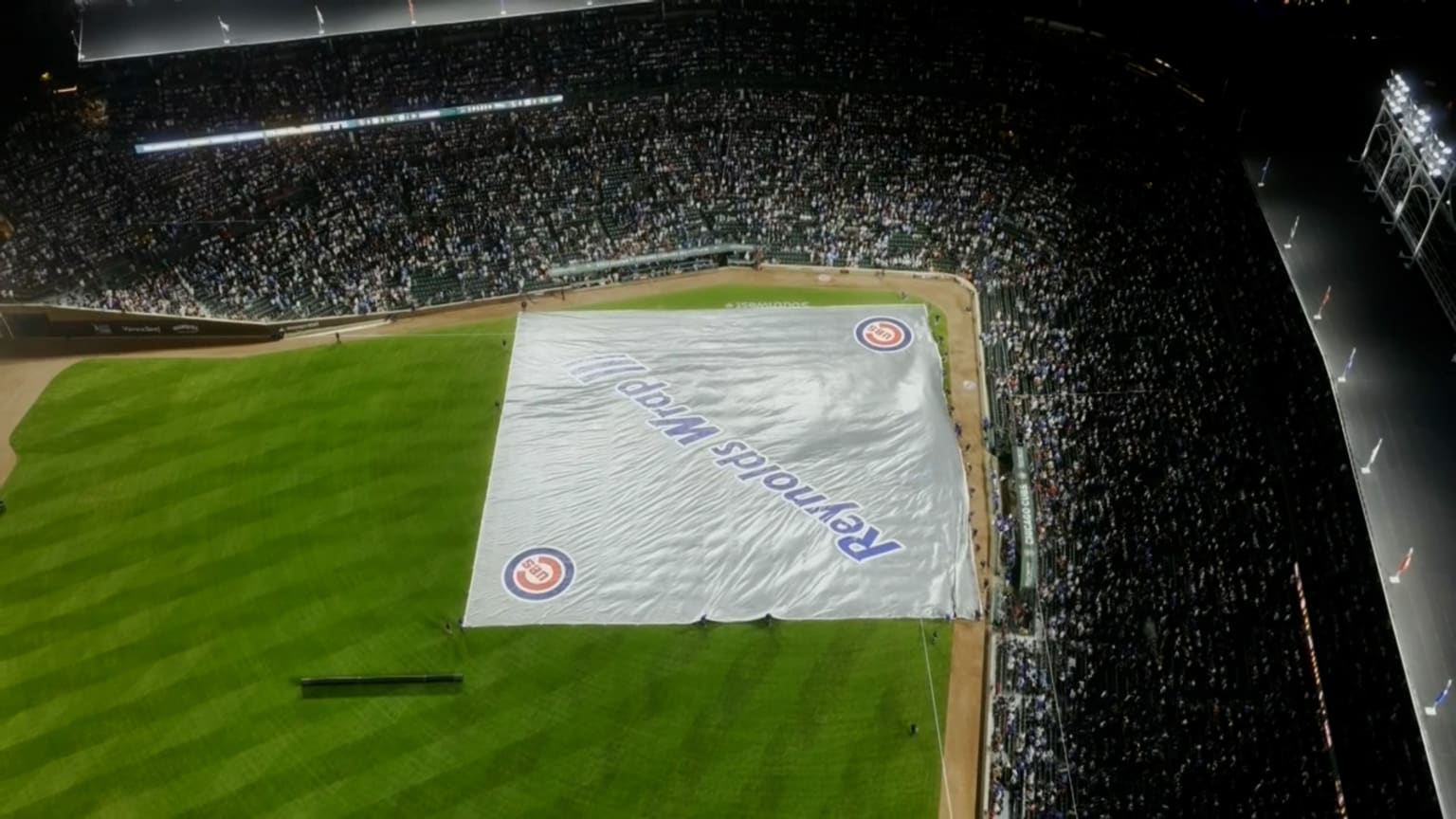
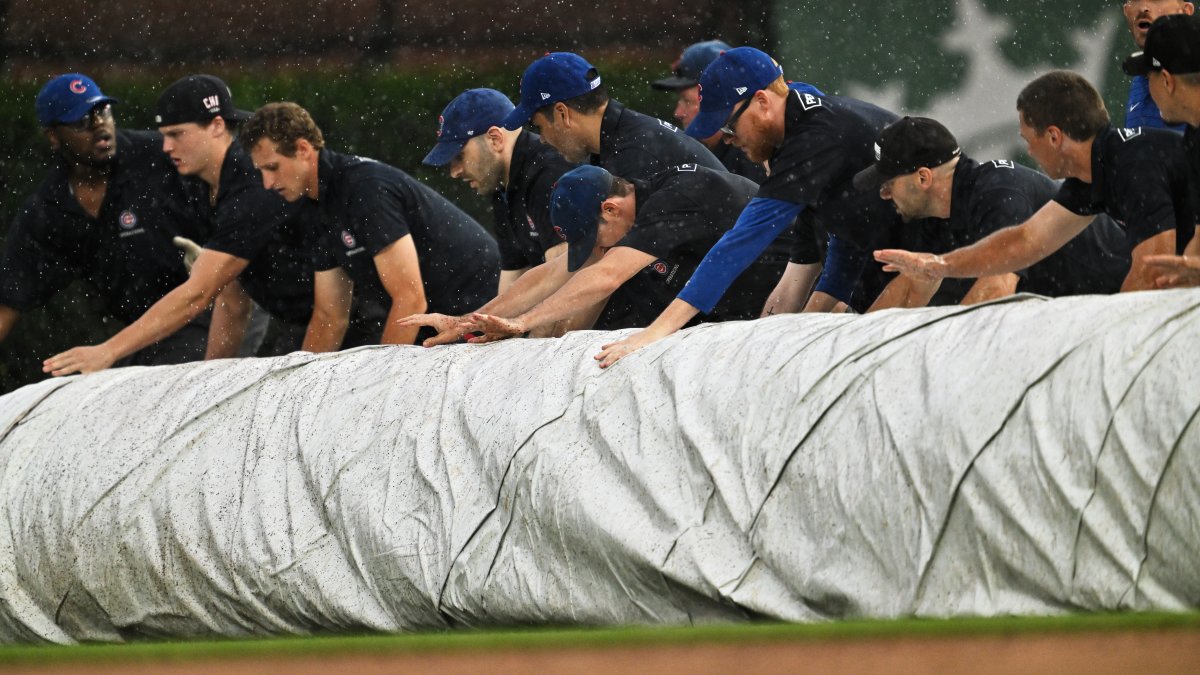
The strategic deployment of field protection equipment during high-stakes athletic fixtures highlights the operational vulnerabilities inherent in outdoor stadium management. When atmospheric conditions deteriorate rapidly during a competitive window, venue operators face immediate pressure to protect playing surfaces while minimizing competitive disruption. The decision by the Wrigley Field grounds crew to deploy the tarp following the top of the eighth inning illustrates the precise calibration required between meteorological observation and facility preservation.
Stadium logistics depend heavily on predictive meteorological data streams that track regional precipitation patterns. In this instance, incoming weather systems moving from surrounding suburban sectors forced facility administrators to act before active precipitation materialized inside Wrigleyville. This proactive protocol protects sub-surface drainage infrastructure from saturation, which otherwise compromises player safety and delays future athletic programming.
Competitive Dynamics of the Crosstown Series
High-profile crosstown fixtures carry distinct operational and competitive pressures that amplify the significance of mid-game interruptions. Entering the eighth inning locked in a competitive stalemate at three runs apiece, both franchises faced the challenge of maintaining player focus and tactical readiness through an indefinite weather pause. Such late-inning parity elevates the strategic value of bullpen management and roster depth as managers contemplate potential resumption scenarios under adverse atmospheric conditions.
Media Broadcasting and Institutional Exposure
Media dissemination frameworks face significant structural adjustments when live sporting events encounter unexpected meteorological delays. Broadcast partners holding regional and national rights must dynamically reallocate programming schedules to fill unanticipated gaps in real-time transmission. For digital streaming networks providing continuous coverage, such events test the operational elasticity of delivery models and audience retention strategies. Concession revenues, in-stadium activation displays, and broadcast advertising yields are all impacted by the temporal displacement of athletic competition.
Infrastructure Resilience at Historic Venues
Historic athletic facilities present unique architectural and logistical challenges when managing modern regulatory and meteorological standards. Unlike retractable-roof stadiums designed to eliminate weather-related stoppages entirely, open-air venues like Wrigley Field remain fully exposed to environmental variables. This structural reality demands specialized engineering solutions for field drainage and turf management to ensure rapid recovery once precipitation ceases, underscoring the complex coordination required among stadium operations teams, league officials, and officiating crews.