Snow-Packed Roads and Bitter Cold Grip Northeast Oklahoma
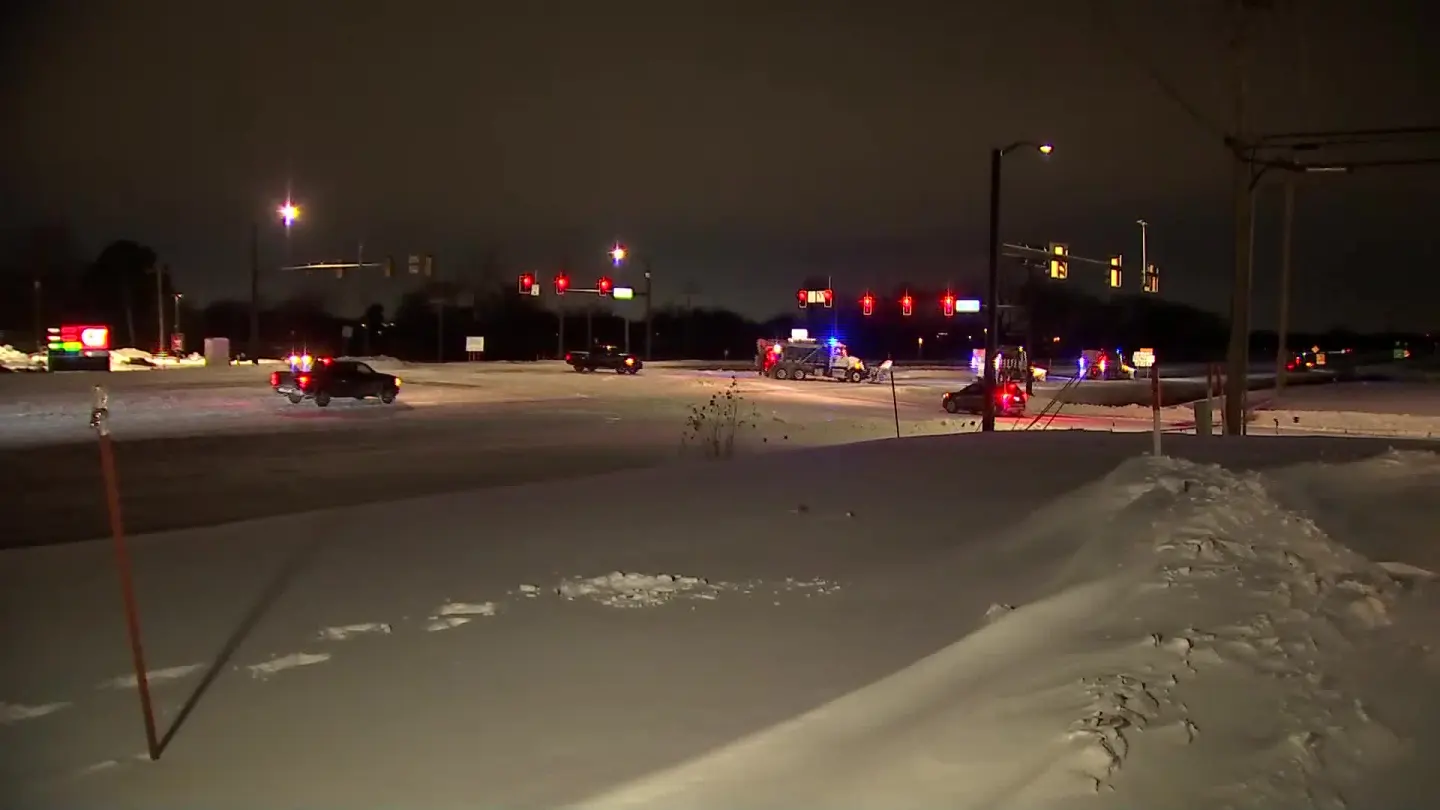
A formidable winter storm has descended upon northeast Oklahoma, blanketing the region in accumulating snow and ushering in dangerously cold temperatures. The harsh weather has prompted a Winter Storm Warning for a significant portion of the state, including the bustling Tulsa metro area.
As the snow continues to fall and temperatures plummet, travel across the affected areas has become increasingly perilous. The Oklahoma Department of Transportation (ODOT) and the Oklahoma Turnpike Authority (OTA) are actively providing updates to help motorists navigate the treacherous conditions.
A Human Element Amidst the Storm
The severity of the situation was underscored Sunday morning when News 9 Stormtrackers Val and Amy Castor, known for their broadcast coverage of road conditions, paused their reporting to assist a stranded driver. The incident occurred on the Belle Isle Bridge in Oklahoma City, a stark reminder of the challenges posed by the snow-packed roads.
This act of compassion highlights the human impact of severe weather events, where everyday routines are disrupted and individuals often rely on the kindness of strangers and the diligence of emergency responders and public service workers.
Navigating the Winter Onslaught: Official Updates and Warnings
Both the Oklahoma Department of Transportation (ODOT) and the Oklahoma Turnpike Authority (OTA) have been disseminating crucial information regarding road conditions. Their coordinated efforts aim to provide travelers with the most up-to-date advisories to ensure safety during this significant winter weather event.
The Winter Storm Warning signifies that hazardous weather is imminent or occurring, and residents are advised to take precautions. Accumulating snow can lead to reduced visibility, slick surfaces, and potentially impassable roads, while dangerously cold temperatures pose risks of frostbite and hypothermia for those exposed.
Understanding the Impacts on Travel
For residents and commuters in the Tulsa metro area and surrounding regions, the impact of this storm is immediate and significant. Snow-packed roads present a considerable challenge for daily commutes, essential travel, and emergency services. The accumulation of snow can quickly overwhelm road maintenance crews, particularly in areas with higher elevations or less-trafficked routes.
The advisories from ODOT and the OTA are essential resources for anyone planning to travel. These updates often include information on road closures, areas experiencing the heaviest snowfall, and the status of snowplow operations. Motorists are strongly encouraged to check these resources before embarking on any journey.
The Science Behind the Storm and its Reach
Winter storms of this magnitude are typically fueled by a confluence of atmospheric factors. The interaction of cold, dry air with moisture-laden warm air can create conditions ripe for significant snowfall and freezing precipitation. The specific track and intensity of the storm system dictate the areas that will receive the heaviest impacts.
Forecasters closely monitor these systems, utilizing sophisticated weather models to predict snowfall amounts, wind speeds, and temperature drops. The Winter Storm Warning serves as a critical communication tool, translating complex meteorological data into actionable advice for the public.
Preparing for Extended Cold and Snow
Beyond the immediate travel disruptions, the prolonged period of cold temperatures and snow can have wider-ranging effects. Power outages can become a concern as heavy snow weighs on lines or freezing rain coats equipment. The demand for heating also increases, potentially straining energy resources.
Residents are often advised to have emergency kits prepared, including food, water, blankets, flashlights, and alternative heating sources if possible. Staying informed through local news and official channels is paramount during such events.
A Call for Caution and Community Support
The scene on the Belle Isle Bridge serves as a poignant reminder that while infrastructure and official updates are vital, community resilience and individual acts of assistance are equally important during severe weather. The efforts of the Stormtrackers demonstrate a commitment that extends beyond reporting to active participation in community welfare.
As the winter storm continues to impact Oklahoma, authorities urge all residents to exercise extreme caution, limit non-essential travel, and stay informed about developing conditions. The combination of snow, ice, and frigid temperatures creates a hazardous environment that requires careful planning and a mindful approach to safety.
“We are urging everyone to stay home if they can,” a spokesperson for ODOT stated. “The conditions are rapidly deteriorating, and our crews are working around the clock, but the sheer volume of snow and the low temperatures make travel extremely difficult and dangerous.”
The message from state officials is clear: prioritize safety, heed all warnings, and prepare for a prolonged period of winter weather. The collective effort of public agencies and the willingness of individuals to help one another will be crucial in weathering this storm.
The ongoing updates from ODOT and the OTA are expected to continue as long as the storm poses a threat to public safety and infrastructure. Residents are encouraged to monitor these sources regularly for the latest information and advisories.
This significant winter event serves as a potent reminder of nature’s power and the importance of preparedness, clear communication, and community solidarity in the face of adversity.
The infrastructure of the state, from major turnpikes to local roads, is being tested. The dedication of road crews working in challenging conditions is a testament to their commitment to keeping Oklahomans safe.
As the storm progresses, the focus remains on ensuring the safety of residents and mitigating the impacts on daily life. The collaborative efforts of various state agencies underscore the seriousness with which this winter weather event is being handled.
The visual of snow-packed roads and the story of the stranded driver encapsulate the immediate reality for many in northeast Oklahoma. These are not just weather reports; they are accounts of lives being affected and communities responding.
The vigilance of meteorologists and the clear communication from transportation authorities are indispensable during such times, empowering the public with the knowledge needed to make safe decisions.
The cold temperatures are expected to persist, adding another layer of challenge to the ongoing snow and ice. This prolonged frigid spell requires additional precautions to prevent health risks and protect property.
The information shared by ODOT and the OTA is vital for logistical planning, whether for essential workers, emergency responders, or individuals needing to access critical services.
Ultimately, this major winter storm is a test of preparedness and resilience for Oklahoma, highlighting the critical role of public services and the strength found in community cooperation.