Velupillay’s World Cup Ascent: Symbol of Socceroos’ Evolving Attacking Strategy
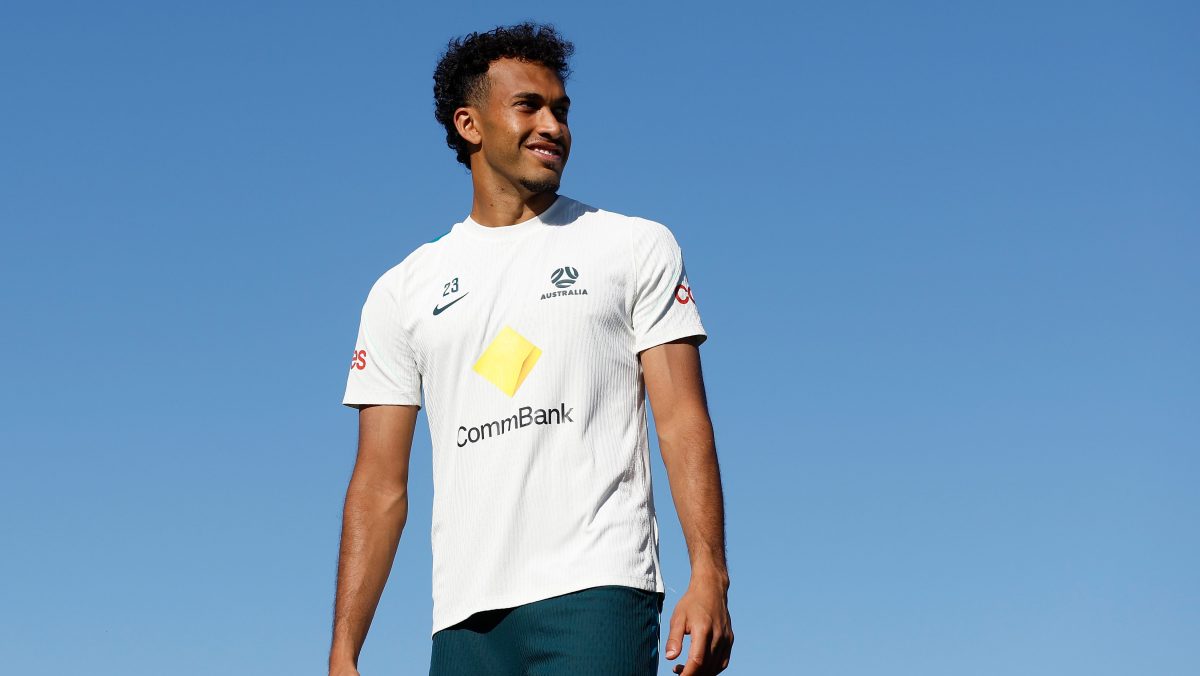
Nishan Velupillay’s inclusion in Australia’s 2026 FIFA Men’s World Cup squad signifies a pivotal moment, reflecting the Australian national football team’s dynamic evolution. His pathway to the global pinnacle, shaped by significant personal sacrifice and a stellar club career with Melbourne Victory, positions him as a crucial offensive asset for the Socceroos in their challenging group stage matches against Türkiye, the USA, and Paraguay.
The 25-year-old winger’s selection is a direct result of his consistent high-level performances, particularly his prolific scoring record for Melbourne Victory. Since his senior debut in 2021, Velupillay has recorded 146 appearances and netted 25 goals, establishing himself as the club’s leading scorer. His pivotal role and top-scoring performance in the 2024-25 Australia Cup triumph directly propelled his senior national team debut during the 2024 FIFA World Cup qualifiers.
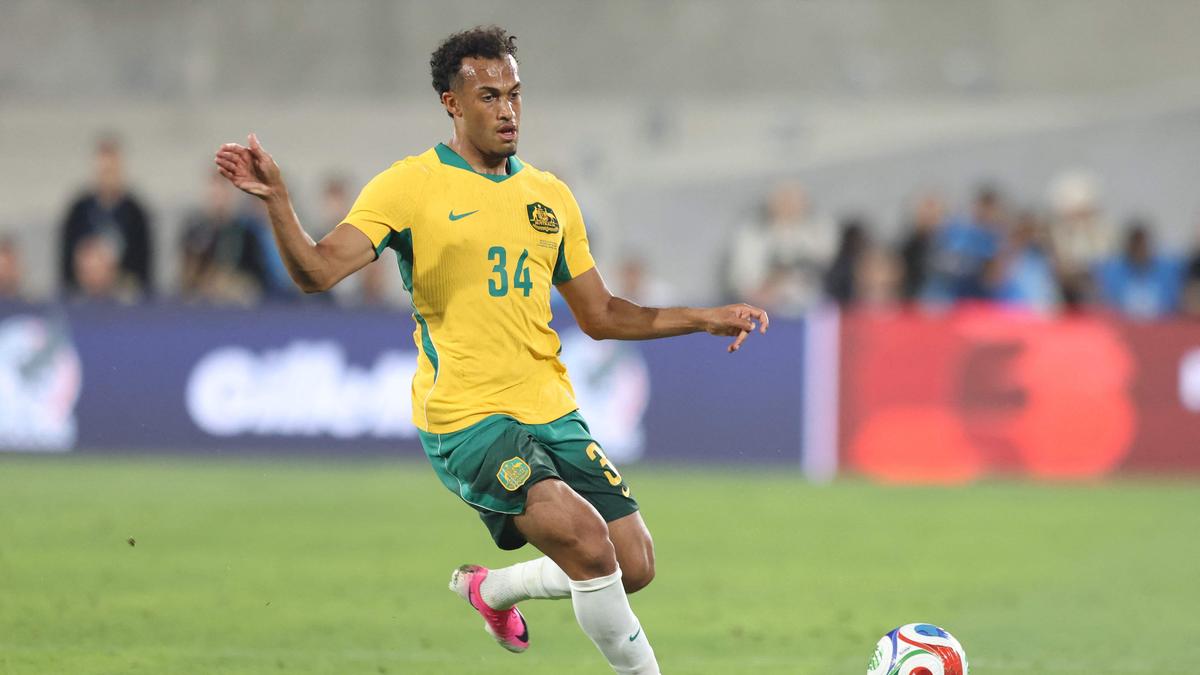
Velupillay’s immediate impact upon debuting for the Socceroos, scoring as a substitute against China, demonstrates a strategic infusion of potent attacking talent into the squad. His subsequent record of three goals in seven international appearances solidifies his reputation as a match-influencing offensive threat capable of decisive contributions.
The narrative of Velupillay’s journey is underscored by familial sacrifice, a common crucible for elite athletes. His parents, Sasinath and Gillian Velupillay, played instrumental roles in fostering his footballing development, exemplifying the vital, often unseen, support systems essential for achieving success at the highest echelons of sport.
His multicultural heritage, with a father of Sri Lankan Tamil descent from Malaysian roots and an Anglo-Indian mother, adds a rich layer of diversity to the Socceroos’ representation. This reflects broader societal integration in Australian sport and the increasingly globalized nature of football talent development.
Velupillay’s resilience, marked by his return from a hamstring injury sustained during Melbourne Victory’s 2025-26 pre-season, and a subsequent return of five goal contributions in the latter half of the season, was critical in securing his World Cup selection. This comeback narrative highlights the mental and physical fortitude required to excel at elite levels, especially after overcoming setbacks.
The strategic implications of Velupillay’s integration enhance the Socceroos’ tactical versatility. As a dynamic attacking player, his capacity to deliver goals and assists provides coach Tony Popovic with valuable options to penetrate opposing defenses, particularly under the intense pressure of a World Cup group stage.
His personal drive to honor his family and nation through his on-field contributions, whether through scoring or impactful play, reveals the intrinsic motivation characteristic of elite competitors. This desire to reciprocate the sacrifices of his support network serves as a significant performance motivator.
The World Cup presents Velupillay a premier platform to elevate his international profile. A strong tournament performance could significantly boost his market value, attract interest from prominent European clubs, and cement his status as a cornerstone player for Australia’s future campaigns.
The operational demands of his World Cup journey necessitate rigorous preparation and adaptation to the unique pressures of international competition. The transition from club fixtures to the World Cup environment involves sophisticated adjustments in training, tactical schemes, and managing the psychological intensity of representing a nation globally.
From a competitive viewpoint, Velupillay’s emergence challenges established pecking orders within the Socceroos and potentially impacts the broader landscape of the Asian Football Confederation (AFC). His consistent goal-scoring and international debut signal a maturing depth of talent within Australian football.
While not explicitly detailed, the financial implications are inherent in elite professional sports. A successful World Cup campaign can unlock enhanced sponsorship avenues, increase transfer valuations, and elevate overall earning potential, benefiting the player, his club, and national federation.
The media spotlight on a World Cup appearance is unparalleled. Velupillay’s compelling story, featuring personal achievement, familial dedication, and diverse heritage, is poised to captivate a wide audience, amplifying fan engagement with the Socceroos.
Melbourne Victory stands to gain prestige from having a representative at the World Cup, enhancing its brand, aiding player recruitment, and reinforcing its reputation as a developer of elite Australian football talent.
The broader impact on Australian football includes the inspirational effect of Velupillay’s success on aspiring young players, particularly those from multicultural backgrounds. His journey validates the existence of viable pathways and the rewards of dedication at the highest levels.
The strategic decision by Socceroos’ coaching staff to integrate emerging talents like Velupillay indicates a forward-thinking approach to squad development, moving beyond sole reliance on veterans and prioritizing long-term sustainability alongside immediate success.
Football Australia’s institutional framework is implicitly validated by such success stories. The effectiveness of development pathways, academy investments, and national team programs are demonstrably proven when players like Velupillay emerge and perform on the global stage.
The World Cup’s competitive arena will rigorously test Velupillay’s capabilities against global elites. His performances against Türkiye, the USA, and Paraguay will serve as a definitive assessment of his readiness for the sport’s pinnacle.
The downstream influence of his World Cup participation may shape A-League Men player development strategies, with clubs potentially focusing more intently on identifying and cultivating attacking talent with similar profiles due to their demonstrated value.
Velupillay’s personal narrative, encapsulated by the theme “dreams into reality,” resonates with the aspirations of countless athletes. His ability to actualize these ambitions on the World Cup stage offers a potent case study in commitment and opportunity.
The timing of his World Cup debut, following a period of significant club success and injury recovery, underscores the cyclical nature of athletic careers and the critical importance of peaking for major international tournaments.
His expressed desire to contribute via goals or assists, or any action benefiting the team, exemplifies a crucial team-first ethos, vital for any national squad aiming for deep tournament progression.
The cultural dimensions of his background, rooted in Malaysia and Sri Lanka, enrich the Socceroos’ identity, reflecting Australia’s multicultural tapestry and sport’s unifying power across diverse communities.
The strategic importance of the opening match against Türkiye is paramount. A strong start is essential for building momentum and confidence in the condensed tournament format, placing immediate performance pressure on Velupillay and his teammates.
Subsequent fixtures against the USA and Paraguay will offer further opportunities to evaluate the Socceroos’ tactical adaptability and the efficacy of their attacking options, including Velupillay, against diverse playing styles.
Ultimately, Velupillay’s World Cup journey transcends personal accomplishment, symbolizing the convergence of Australia’s evolving talent pool, strategic development, and cultural richness on the world’s most prestigious sporting platform.