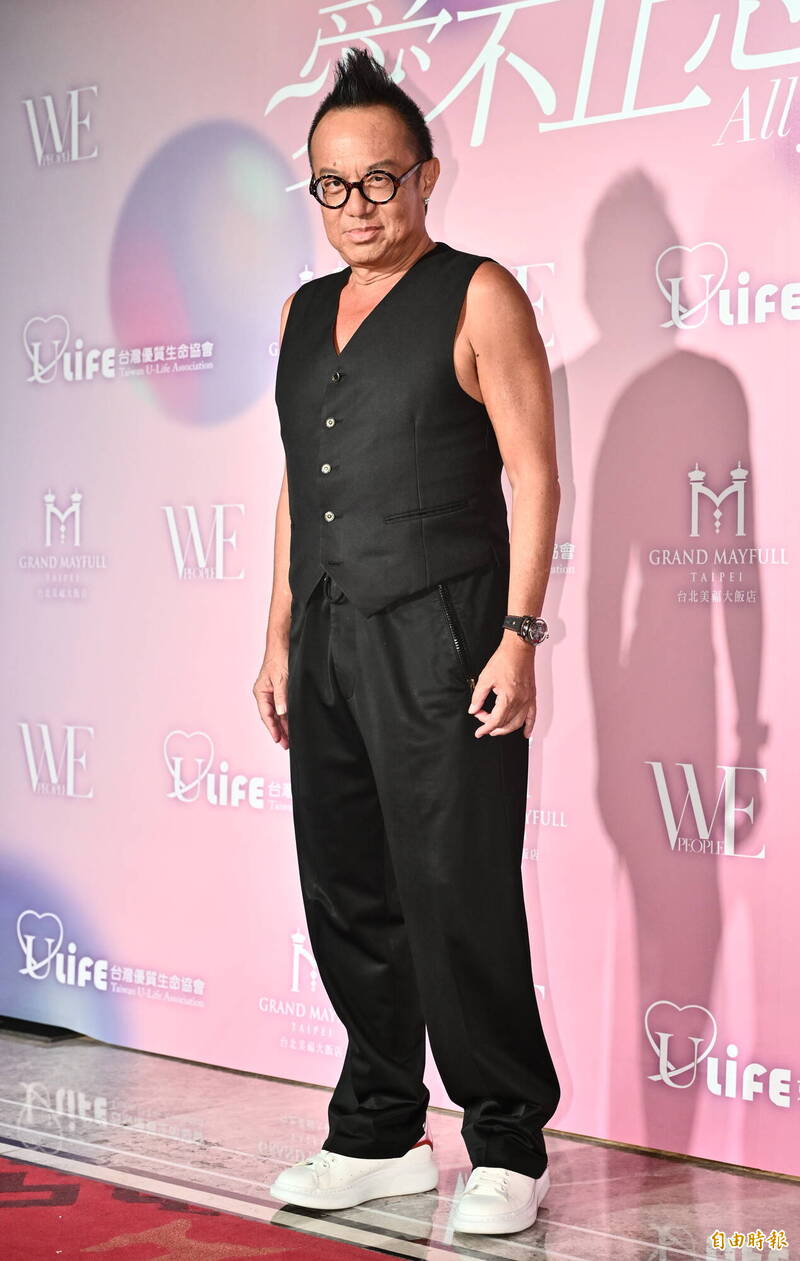
Immediate Legal Response and Estate Foundation
The sudden passing of acclaimed musician Huang Da-wei, revered as the ‘rock and roll godfather,’ at 61 in Hawaii on June 2, 2026, has prompted an immediate and meticulously structured legal response. His sisters, Consulina Wong and Joann Wong, acting through the Han Ying De Li Law Firm, formally announced his death and simultaneously established a stringent legal framework for managing his extensive estate and public persona. This swift action underscores a critical imperative in celebrity estate management: preemptive legal measures are essential to safeguard intellectual property, mitigate potential disputes, and prevent unauthorized exploitation immediately following a public figure’s demise.
Centralizing Authority: Intellectual Property, Financial Stewardship, and Commercial Control
A cornerstone of the estate’s strategy is the explicit designation of Huang Da-wei’s two sisters as his sole legal heirs, granting them comprehensive authority over all post-mortem arrangements. Crucially, the Han Ying De Li Law Firm has been appointed as the exclusive legal conduit for his valuable music assets and the unified contact point for all entertainment business. This centralization is a strategic maneuver to consolidate control over diverse revenue streams, licensing agreements, and future artistic endeavors tied to his catalog. Such a structure is paramount for upholding the integrity of his creative output, ensuring legitimate commercial engagements, and robustly protecting the estate’s significant financial interests from fragmentation or dilution.
Mitigating Unauthorized Exploitation and Protecting Posthumous Reputation
The legal declaration directly confronts the prevalent risks of unauthorized representation and commercial exploitation that frequently emerge after a celebrity’s death. The statement unequivocally asserts that no other individual or entity, past or present, holds rights to represent Huang Da-wei, apart from his designated heirs and the law firm. This preemptive measure aims to deter opportunists from making unsubstantiated claims of association or profiting from his legacy without proper authorization. Furthermore, the estate issued a stern warning against false accusations or actions detrimental to the reputation or privacy of Huang Da-wei, his family, friends, or associates, reserving the right to pursue legal recourse against any such infringements to preserve his legacy with dignity.
Addressing Digital Legacy and Online Identity Challenges
A significant dimension of the estate’s legal strategy addresses Huang Da-wei’s complex digital footprint. The family explicitly clarified that neither Huang Da-wei nor his family ever managed his social media presence, a critical detail highlighting the intricate challenges of digital identity governance in the modern era. This revelation implies potential third-party administration or even unauthorized accounts, necessitating a clear legal stance to assert control and prevent future misuse. The directive demanding immediate cessation of any unauthorized social media operations or communication software intrusion underscores the growing importance of legally defined digital asset management in the estate planning for prominent public figures.
Strategic Precedence: Foresight in Legal Planning
The current comprehensive legal actions are not isolated but rather a continuation of an established, broader strategy to meticulously manage Huang Da-wei’s public and private affairs. Weeks before his passing, he had already issued a separate legal statement through counsel, severing ties with a long-term partner and entrusting all social media-related matters to legal oversight. This pattern demonstrates deliberate foresight: an ongoing effort to proactively establish clear legal boundaries and exert control over his public narrative, even prior to his demise. Such strategic groundwork provides crucial context for the immediate and robust nature of the post-mortem estate declaration.
Evolving Landscape of Celebrity Estate Management
Huang Da-wei’s case exemplifies the evolving complexities inherent in celebrity estate management, particularly as digital assets and online personas increasingly define an individual’s public identity and commercial value. The immediate and holistic legal response by his family reflects a growing industry awareness regarding the necessity for robust post-mortem planning that extends beyond traditional financial assets. This situation underscores a paradigm shift towards a more comprehensive approach, encompassing intellectual property rights, digital asset governance, and reputational control. It sets a contemporary benchmark for how legal frameworks are adapting to safeguard an artist’s contributions and ensure their enduring relevance and value beyond their lifetime in the digital age.
Respect for Privacy Amidst Public Scrutiny
While the legal framework for Huang Da-wei’s estate is clearly defined, certain aspects surrounding his passing remain undisclosed, reflecting the family’s explicit request for privacy. The exact cause of death has not been revealed, nor have details regarding potential autopsy procedures or future memorial services in Taiwan been disclosed. This decision to withhold specific medical or ceremonial information aligns with the family’s broader plea for respect and privacy during a period of profound grief. It underscores the delicate balance required between legitimate public interest in a celebrated figure’s life and death, and the fundamental right of a family to mourn in private, free from intrusive speculation.