
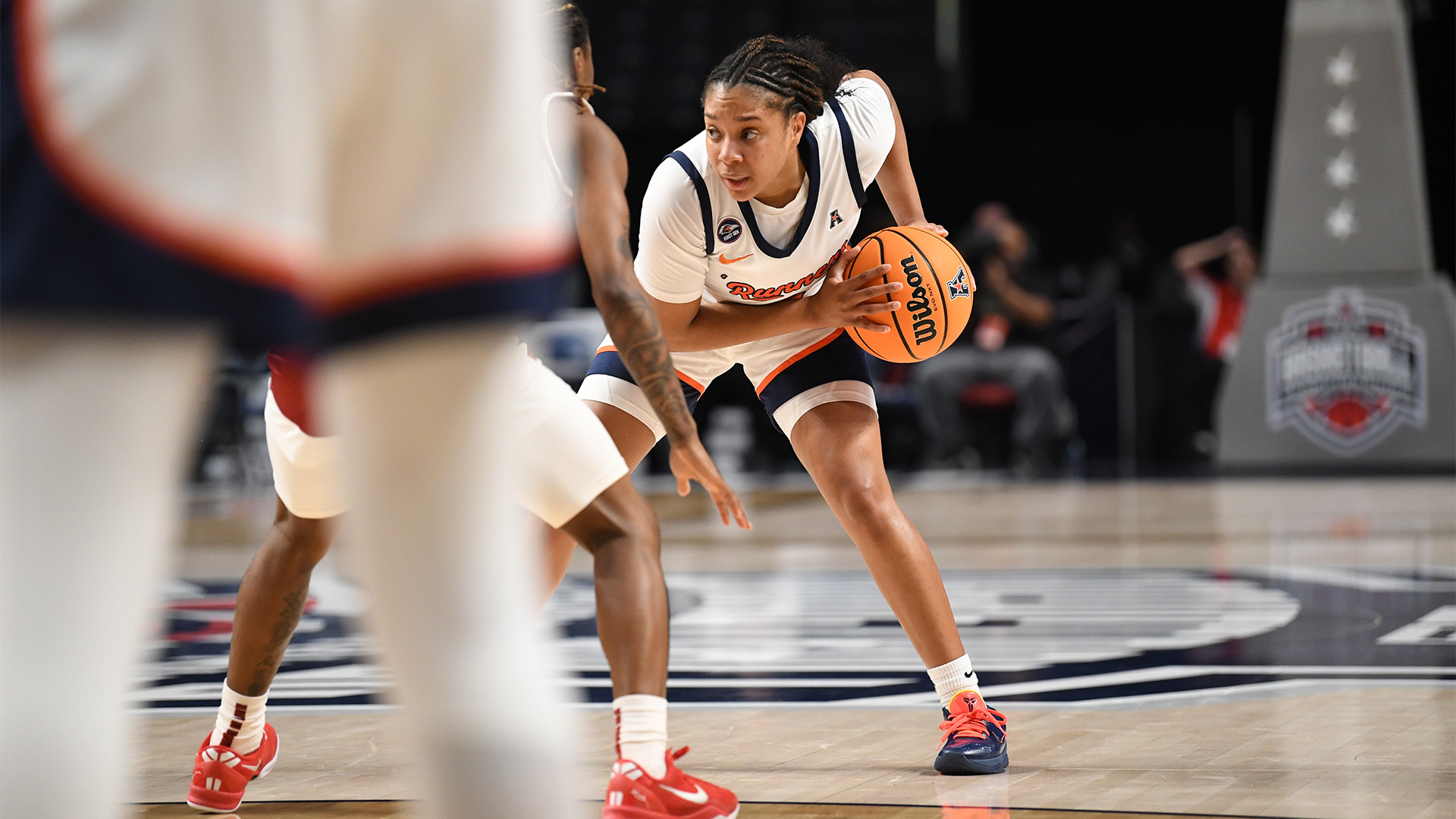
The NCAA First Round matchup between the No. 16 UTSA Roadrunners and the No. 1 UConn Huskies at Gampel Pavilion functions as a case study in program development versus institutional legacy. UTSA’s presence represents a deliberate three-year escalation—moving through the WNIT (2024) and WBIT (2025) to secure an NCAA berth in 2026. This trajectory illustrates a successful blueprint for mid-major competitiveness within the evolving collegiate landscape.
Macro-Level Momentum: The Roadrunners’ Ascent
UTSA’s entry via the American Athletic Conference (AAC) automatic bid follows a high-leverage championship run. As a No. 6 seed, they neutralized top-seeded Rice with a 54-40 defensive clinic, demonstrating elite tactical discipline. This victory suggests a team operating at peak physiological efficiency, a critical variable when attempting to mitigate the talent disparity inherent in a 1-vs-16 seeding. Their return to the national stage for the first time since 2009 signals a fundamental shift in the AAC’s competitive hierarchy.
The program’s transformation from a 9-9 conference finisher to a champion provides significant institutional leverage. Beyond the court, this visibility on ABC facilitates high-value recruiting and donor engagement. By capitalizing on this national media window, UTSA creates a feedback loop that enhances regional sports branding and long-term program sustainability.
UConn: The Asymmetrical Risk Profile
UConn enters the contest as the definitive benchmark of women’s basketball. Under Geno Auriemma, the Huskies have cultivated an environment where victory is not merely expected but structurally mandated. For a No. 1 seed of this caliber, the risk is almost exclusively reputational. The program’s 11 national championships and history of undefeated seasons exert a psychological pressure that often forces opponents into early tactical errors.
The historical precedent of the 1997 Lehigh game serves as a strategic warning: any deviation from dominance is scrutinized. UConn’s objective is early-game separation to neutralize UTSA’s momentum and prevent the Roadrunners from establishing a rhythm. Playing at Gampel Pavilion further amplifies this advantage, effectively transforming a neutral-site tournament fixture into a high-pressure home-court defense.
Strategic Media Valuation and Stakeholder Impact
The selection of ABC for the broadcast, featuring Ryan Ruocco, Rebecca Lobo, and Holly Rowe, underscores the commercial gravity of the matchup. For UTSA, the exposure provides a marketing platform exceeding the direct financial rewards of the tournament bid. This media slot serves as a strategic asset for the AAC, validating the conference’s ability to produce tournament-ready programs capable of high-level competition.
Local stakeholders in San Antonio, supported by coverage on The Bull 93.3 FM, view this as a pivotal branding event. The alignment of local pride and national scrutiny is essential for navigating the transfer portal era, where visibility directly correlates with the ability to attract and retain high-caliber talent.
Tactical Dynamics and Defensive Execution
UTSA’s defensive metrics against Rice—holding an opponent to 40 points—will be tested by UConn’s multi-dimensional offensive depth. The challenge involves managing the emotional volatility of the opening minutes to avoid the blowout scenarios typical of 1-vs-16 matchups. Success for UTSA hinges on their ability to maintain defensive structure under the physical demands of UConn’s transition game.
Conversely, UConn will look to exploit any residual fatigue from UTSA’s four-game championship surge. The tactical battle will center on UConn’s ability to use their superior depth to create mismatches against a Roadrunners squad that relies heavily on its defensive identity. Regardless of the final score, this matchup defines the baseline for UTSA’s future trajectory and reinforces UConn’s status as the sport’s institutional anchor.

Photo by kathydetweiler on Pixabay.