Redefining Executive Branding in Federal Documentation
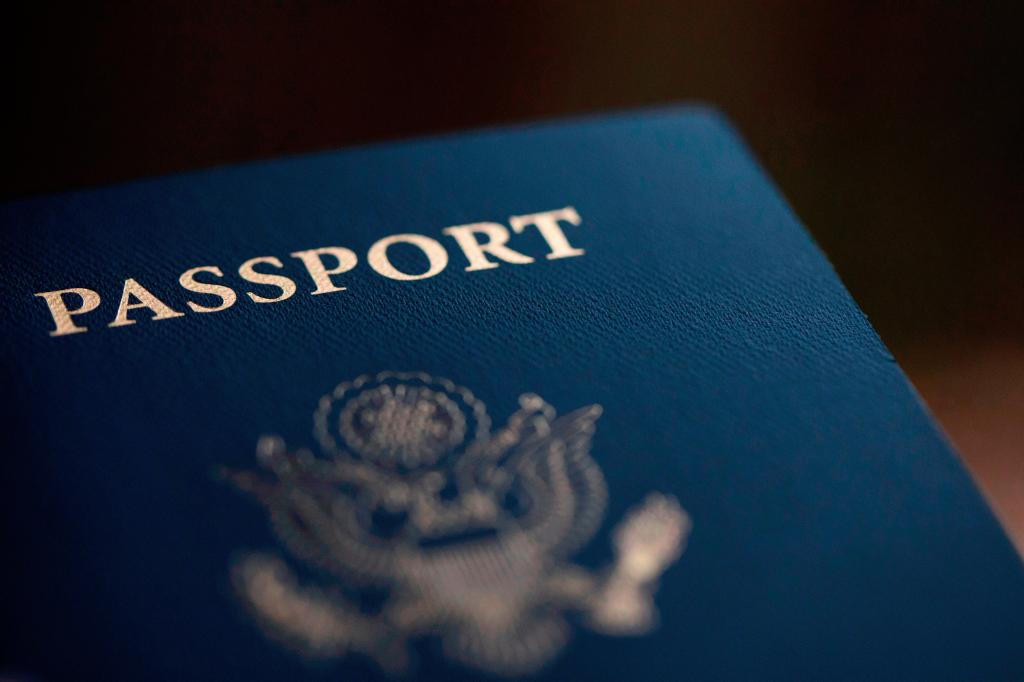
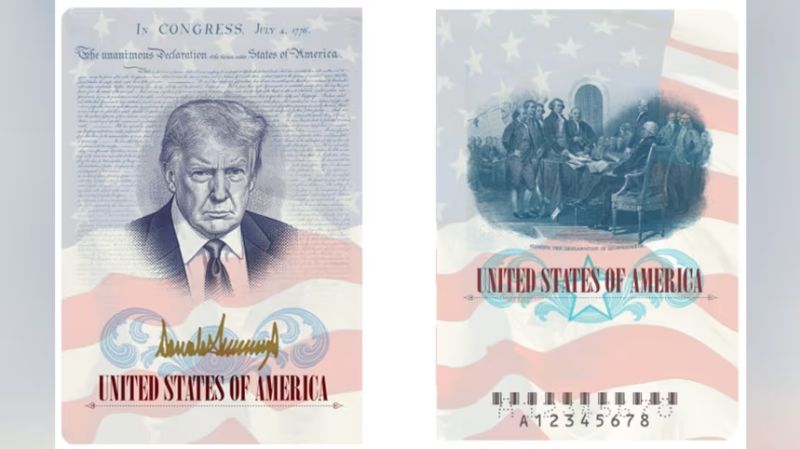
The United States Department of State has confirmed a limited-edition passport release to mark the nation’s 250th anniversary. The initiative features the likeness and signature of President Donald Trump within the document’s interior, deviating from established federal design traditions that favor non-partisan, historical, or symbolic imagery.
Official reports indicate a production run of 25,000 to 30,000 units, distributed exclusively through the Washington, D.C. passport office. This targeted rollout positions the document as a primary identifier for local applicants while the standard federal design remains the global baseline.
Institutional Precedent and Operational Scope
Historically, US travel documents have functioned as neutral instruments of state authority. Integrating a living president’s image challenges this norm, aligning with broader executive efforts to embed personal branding into federal assets, such as currency and commemorative bullion. This reflects a strategic pivot in how the executive branch projects its identity through symbols of state sovereignty.
Global Logistics and Diplomatic Scrutiny
The dual-passport architecture presents unique challenges for international border security. While the State Department asserts that the validity of both versions is identical, the introduction of a politically charged aesthetic could complicate administrative handling at international checkpoints. Global border control agencies rely on standardized design recognition; thus, a deviation in physical form necessitates adjustments in traveler verification procedures.
Financial and Administrative Impacts
The Bureau of Consular Affairs faces complex logistics in managing this specialized issuance. By restricting availability to the Washington, D.C. office, the government limits scalability while maximizing visibility among diplomatic circles. Furthermore, the potential for these documents to become highly sought-after collector items suggests a secondary market may emerge, possibly influencing passport office workflow and creating artificial demand pressures during the issuance period.
Long-term Institutional Shifts
The semiquincentennial acts as a vehicle for the current administration to merge its legacy with the founding of the nation. This approach signals a permanent shift in how federal institutions utilize branding, potentially establishing a standard where future administrations feel compelled to personalize government documentation. Ultimately, this integration blurs the distinction between state institutions and executive leadership, recalibrating the federal government’s communicative strategy for global audiences.