The 2026 NFL Scouting Combine in Indianapolis functions as a sophisticated data clearinghouse, centralizing the medical, psychological, and biometric metrics that govern the allocation of hundreds of millions in NFL draft capital. This evaluation phase represents a transition from qualitative collegiate scouting to quantitative professional projection, necessitating a rigorous verification of on-field production against standardized athletic baselines and organizational requirements.
The Indianapolis Nexus: Standardizing Risk Mitigation
Beginning February 26, the Combine shifts the scouting paradigm from subjective observation to objective data acquisition. The centralized sharing of medical information serves as the league’s most potent risk-mitigation tool. While public discourse prioritizes timed drills, the institutional value remains in the uniform medical assessments that allow all 32 teams to establish a baseline for prospect longevity and physical durability.
For high-leverage assets such as Indiana quarterback Fernando Mendoza—a consensus top-tier prospect across major projections from USA TODAY Sports and NFL Media—the Combine serves primarily as a platform for physical verification. The emerging market consensus surrounding Mendoza’s status at the top of the board reduces draft-board volatility for the Las Vegas Raiders, who currently hold the first overall selection. This stability enables the franchise to initiate long-term financial and roster architecture centered on a specific quarterback archetype months before the April deadline.
The 2026 Positional Value Paradox
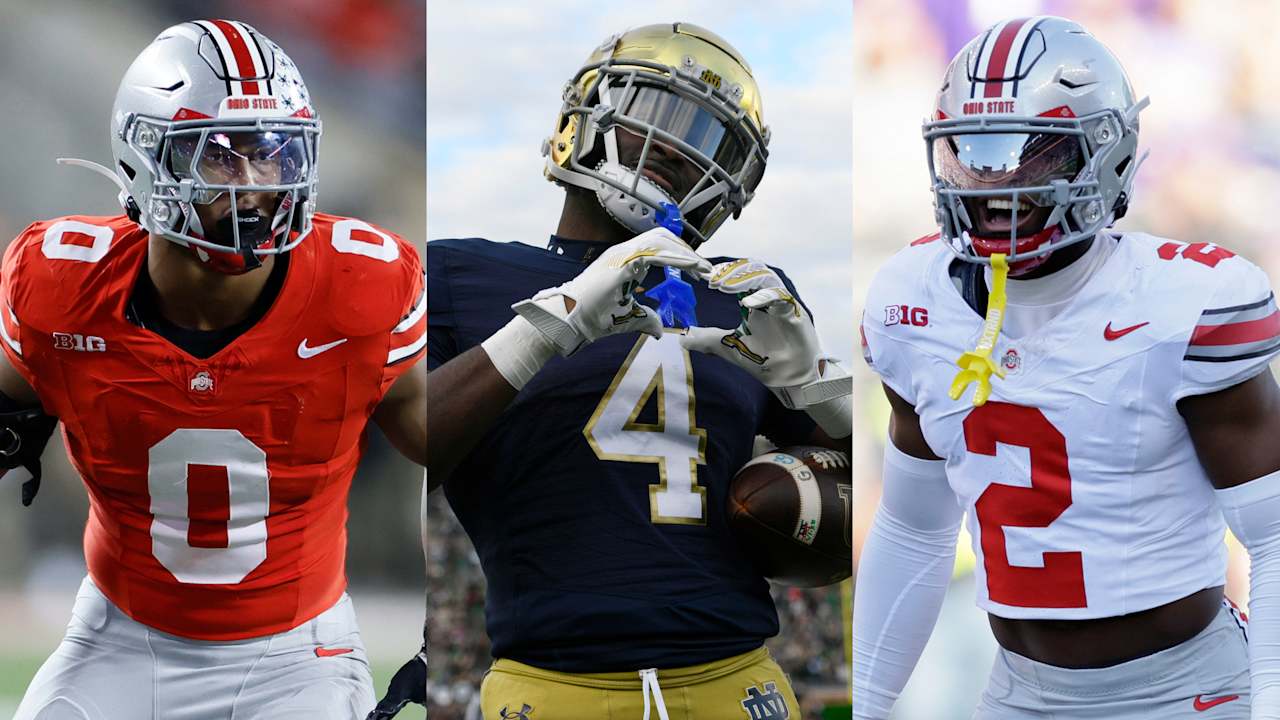
The 2026 class is defined by a distinct tension between traditional positional dogma and a high concentration of elite talent in non-premium roles. Analysts such as Daniel Jeremiah and Gennaro Filice have noted a rare density of generational talent at running back, off-ball linebacker, and safety—positions that frequently experience market depreciation in the modern NFL.
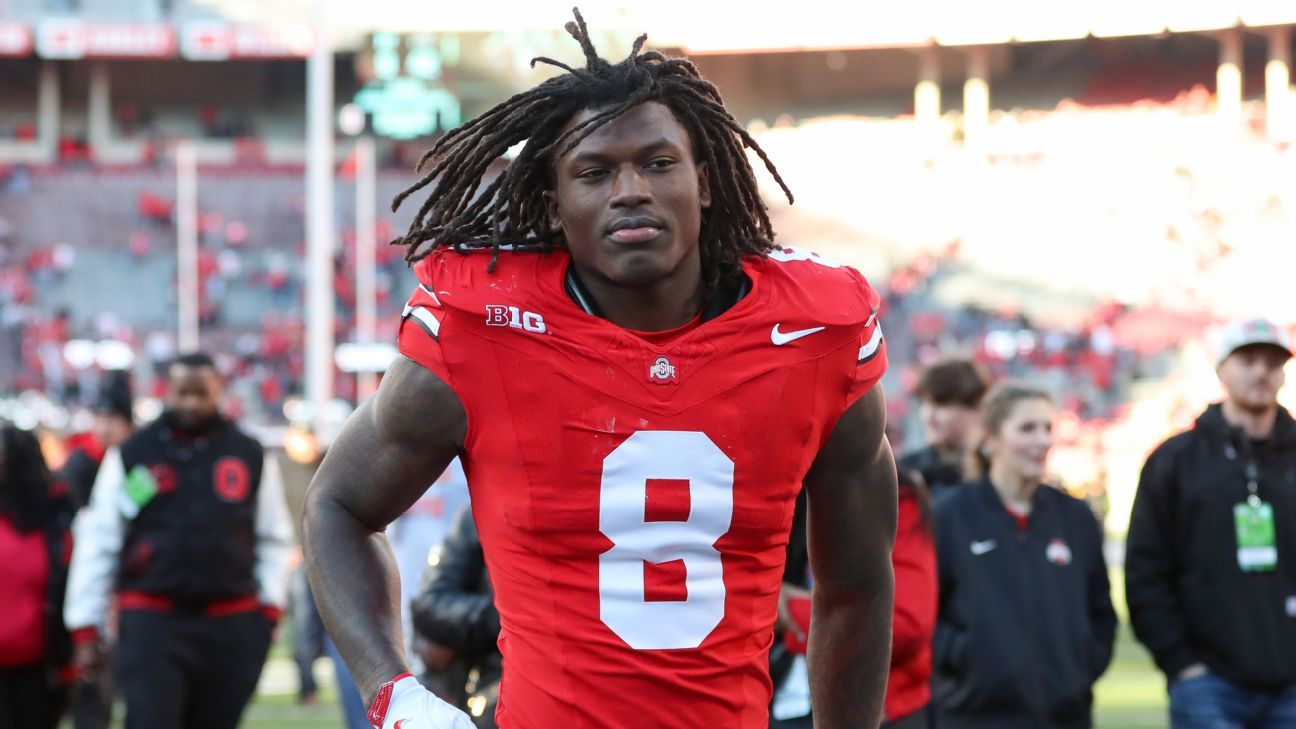
Prospects like Jeremiyah Love (RB), Sonny Styles (LB), and Caleb Downs (S) challenge the established hierarchy that prioritizes signal-callers, edge rushers, and offensive tackles within the top ten picks. When premium-position depth is perceived as thin, the opportunity cost of bypassing a high-ceiling talent like Downs or Love becomes a central friction point in war rooms. This cycle may force a strategic pivot, where teams maximize immediate operational impact over theoretical long-term positional efficiency by securing elite defenders who can redefine defensive architecture.
Coaching Insights and Psychological Vetting
The evaluation cycle extends to all-star venues like the Senior Bowl in Mobile and the East-West Shrine Bowl in Frisco, offering coaching staffs direct access to prospect work ethics. New Orleans Saints running backs coach Joel Thomas, who oversaw the American team at the Senior Bowl, emphasized that these interactions verify tape-based evaluations by identifying professional discipline and cognitive processing speed.
By the time the cycle reaches the “Top-30” facility visits, teams have transitioned from talent discovery to cultural due diligence. These visits are highly resource-intensive, focusing on schematic integration and psychological vetting. For a team like the Raiders, a visit with a franchise quarterback candidate involves hours of whiteboard simulation to assess how a player’s mental processing aligns with professional schematic complexities.
Market Sentiment and the Mock Draft Economy
Mock drafts function as essential indicators of market sentiment and prospect scarcity. Projections from experts like Tom Fornelli and Ayrton Ostly create a narrative framework that influences team perception. For instance, the identification of wide receiver Jordyn Tyson as a late first-round target for the Kansas City Chiefs illustrates how championship-caliber teams use the draft to replenish specific performance levers—prioritizing explosive perimeter threats—rather than merely filling foundational roster gaps.
Conclusion: Defining the Pittsburgh Finale
The 2026 cycle will culminate in Pittsburgh from April 23-25, serving as a case study in strategic talent acquisition. Organizations will ultimately be judged on their ability to navigate a board where the highest-rated players may not occupy the most expensive positions. The decisions made in Indianapolis and during Top-30 visits will define the league’s competitive landscape for the next decade, testing whether teams prioritize raw athletic ceilings or the traditional hierarchies of the gridiron.