The Strategic Calculus of Legacy and Market Value
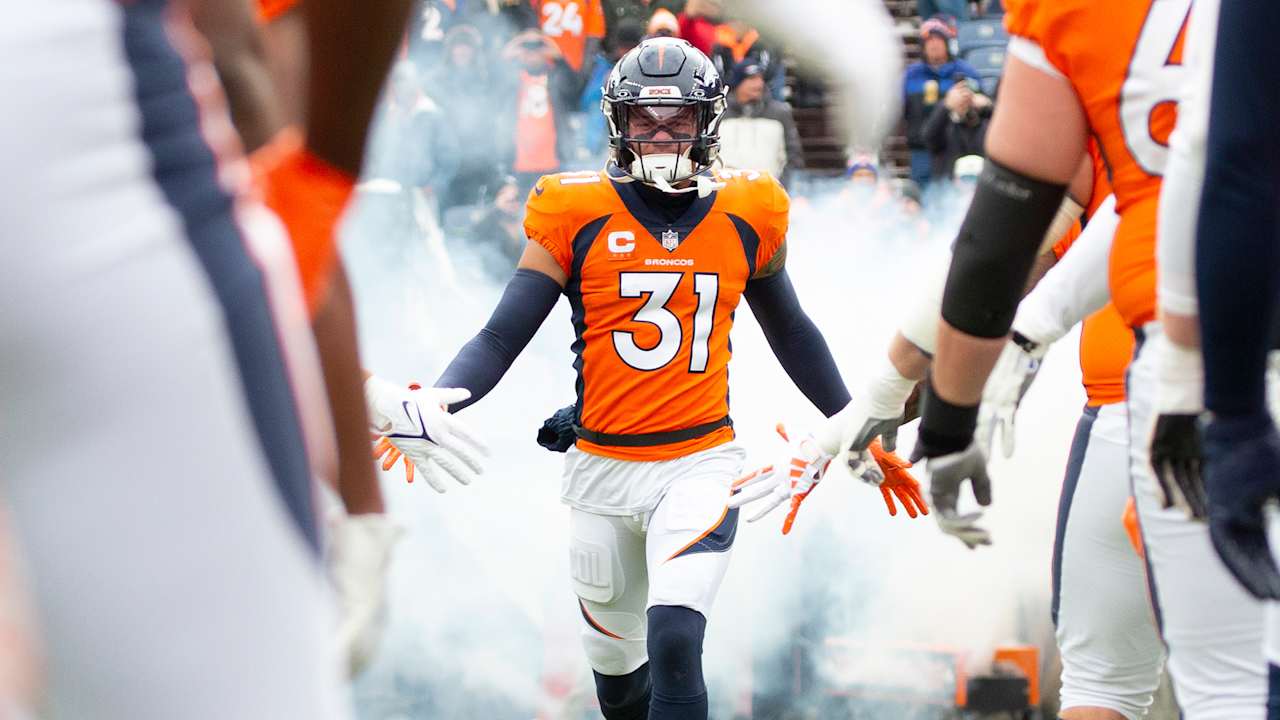
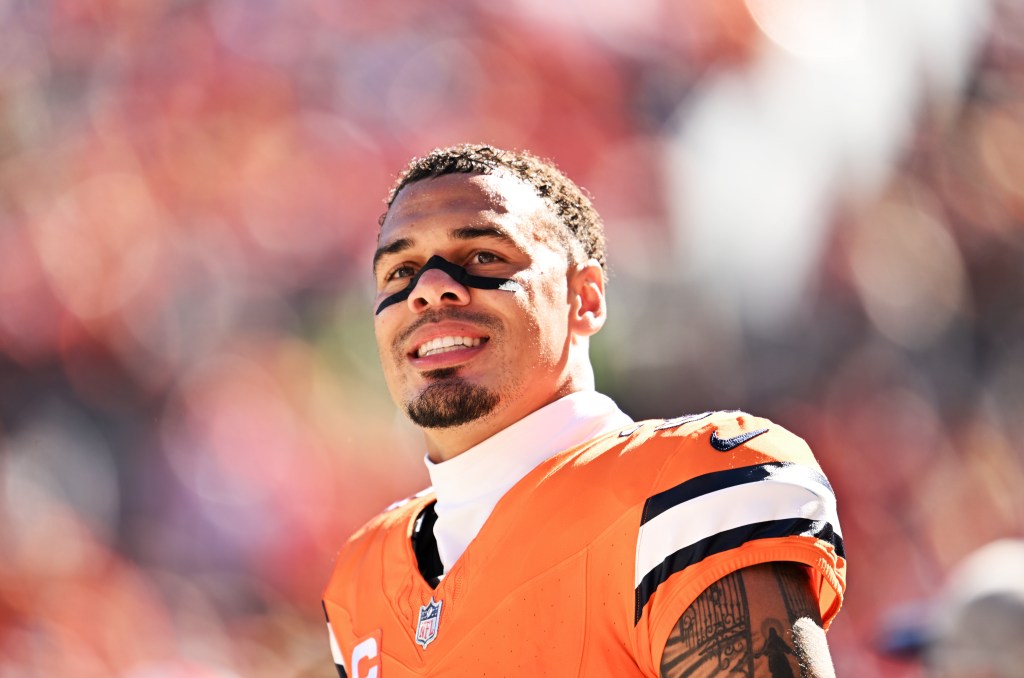
Justin Simmons’ decision to announce his retirement exactly ten years after being drafted by the Denver Broncos underscores the complex interplay between professional sports legacy, institutional branding, and the cold calculus of salary cap management. While Simmons played his final season away from Denver, his choice to define his career by his tenure with the Broncos highlights a strategic effort to control the narrative. By prioritizing institutional loyalty and timing the announcement to coincide with his draft day anniversary, Simmons strategically frames his professional identity, mitigating the potential negative associations with his mid-career release.
The Inevitable Tension Between Performance and Financial Strategy
Simmons’ career trajectory, from a mid-round draft pick to a four-time All-Pro safety, exemplifies effective talent evaluation. However, his release by the Broncos in the spring of 2024, despite his consistent high performance, illustrates the inherent tension between player value and team financial strategy in the modern NFL. The decision to release a high-performing veteran, even a team captain and community leader, is often driven by the imperative to manage salary cap space and prioritize future roster flexibility.
The Broncos’ decision to move on from Simmons after the 2023 season reflects a common strategic pivot in professional football. As players age, their contract value often outpaces their projected future performance, especially when compared to younger, less expensive talent available through the draft. For teams in a rebuilding or transition phase, shedding large veteran contracts becomes a necessary step to reallocate capital and reset the roster’s financial structure. Simmons’ release serves as a case study in how teams prioritize cap flexibility over long-term loyalty, even for beloved figures.
Market Dynamics and Veteran Valuation
Following his release from Denver, Simmons signed a one-year deal with the Atlanta Falcons for the 2024 season. This move demonstrates the immediate market revaluation that occurs when a high-value veteran transitions to free agency. While Simmons remained productive, the market’s willingness to commit long-term capital to a safety over the age of 30 diminishes significantly, regardless of past accolades. The subsequent free agency period in 2025, during which Simmons did not sign with a team, further illustrates the volatility and risk associated with veteran free agency. For players in non-quarterback positions, the window for high-value contracts is often narrow. The market’s reluctance to offer a contract for the 2025 season suggests that teams prioritized younger talent or different positional needs, leaving Simmons without a viable opportunity to continue playing at a level commensurate with his expectations.
Strategic Legacy Management and Institutional Alignment
Simmons’ retirement announcement, shared by the Broncos organization, highlights the strategic value of institutional loyalty in professional sports. By facilitating Simmons’ retirement as a Bronco, the team reinforces its brand identity and connection to its fanbase. This move allows the organization to leverage the positive sentiment associated with Simmons’ legacy, mitigating potential negative public relations fallout from his earlier release. The non-monetary contributions of players like Simmons, specifically his three-time Walter Payton NFL Man of the Year nominations, provide significant value to the team’s brand and community relations. By embracing Simmons’ retirement narrative, the Broncos strategically align themselves with these positive attributes, reinforcing the idea that the organization values its history and its players’ impact beyond their playing days on the field.
Conclusion: Reconciling Legacy and Financial Constraints
The trajectory of Simmons’ career—from mid-round pick to All-Pro, followed by a release and subsequent free agency struggle—is increasingly common in the NFL. It highlights the structural reality that even exceptional performance does not guarantee long-term security or institutional loyalty in a league driven by salary cap constraints and positional value metrics. Teams must constantly balance the emotional and cultural value of veteran leaders against the financial imperative to optimize roster construction.
Simmons’ retirement, framed by the Broncos organization, represents a strategic reconciliation between the team’s necessary business decision and the player’s enduring cultural impact. By celebrating Simmons’ career, the Broncos effectively leverage his legacy for fan engagement and cultural continuity. Simmons’ story provides a clear example of how professional sports organizations manage the tension between financial optimization and cultural capital, ultimately using a player’s retirement to reinforce the values they wish to project to their fanbase and solidify the player’s place in institutional history.