
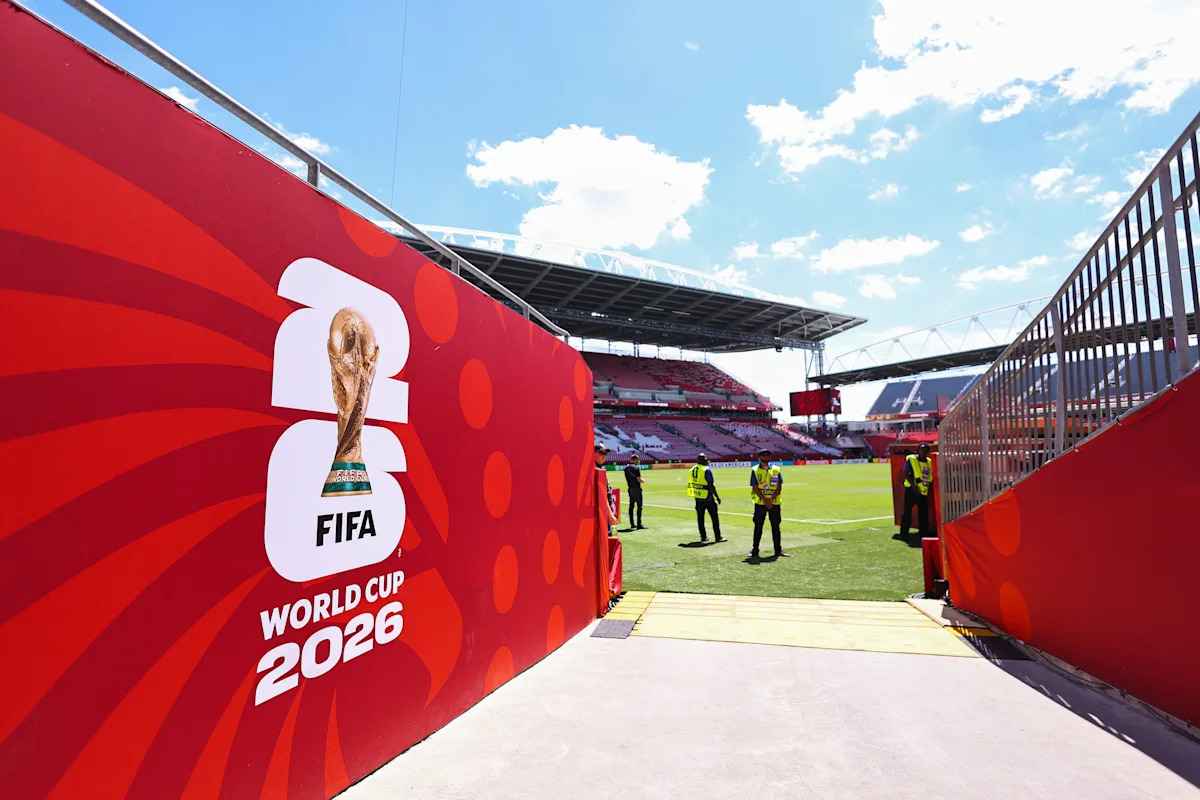
The Strategic Landscape of the 2026 FIFA World Cup
The 2026 FIFA World Cup group stage has emerged as a theater of increased competitive parity, where tactical discipline frequently negates historical rankings. Canada’s 1-1 draw against Bosnia and Herzegovina on June 12 illustrates this shift, signaling that mid-tier nations are effectively deploying structured defensive systems to neutralize established footballing powers.
For Canada, this point serves as a critical buffer, forcing a strategic recalibration within their group. In a tournament format where every fixture influences the mathematical probability of qualification, such results emphasize the necessity of pragmatic, point-accruing approaches over purely expansive play.
Brazil and the Pressure of Institutional Expectations
As Brazil approaches their fixture against Morocco at MetLife Stadium, the narrative remains dominated by the burden of their 2002 title drought. Having reached the quarterfinals in four of the last five iterations, the Seleção are pressured to convert historical pedigree into current tactical dominance.
Morocco presents a sophisticated challenge, building upon their 2022 success. No longer viewed as an underdog, they now represent a structural threat capable of exploiting the spaces left by high-possession teams. This fixture, reminiscent of 1998, serves as a litmus test for Brazil’s ability to dismantle organized, counter-attacking setups.
Logistics and Operational Constraints
The 2026 tournament’s geographical footprint—spanning venues like Levi’s, MetLife, and Gillette Stadium—introduces complex physical requirements. Teams must mitigate travel fatigue and fluctuating environmental conditions, variables that disproportionately affect squads lacking deep tactical rotations.
Matches like Qatar versus Switzerland in Santa Clara highlight the intersection of diverse footballing methodologies. For Qatar, the 2026 campaign is an evaluation of long-term infrastructure investment, testing whether their development programs can achieve consistent performance on a global scale.
Group D Dynamics and Emerging Contenders
The clash between Australia and Türkiye at BC Place underscores the group stage as an attrition-based filter. Success here relies on the precision of coaching staffs in managing match-day adjustments, as the margin for error remains razor-thin.
Haiti’s return to the World Cup stage for the first time since 1974 represents a pivotal milestone. Their fixture against Scotland is emblematic of the tournament’s role in institutional growth; international exposure facilitates potential shifts in regional investment, providing emerging federations the opportunity to capitalize on newfound visibility.
Commercial and Analytical Implications
The analytical discourse led by figures like Darren Fletcher and Owen Hargreaves highlights the massive capital movement inherent in the modern FIFA ecosystem. These fixtures are more than athletic contests; they function as drivers of commercial health for national governing bodies and global sports media.
As the group stage concludes, performance trends will dictate the competitive hierarchy for the remainder of the decade. The capacity of nations to adapt to the 2026 format will determine future sponsorship valuations and the strategic allocation of technical resources across the international game.

Photo by jorono on Pixabay.