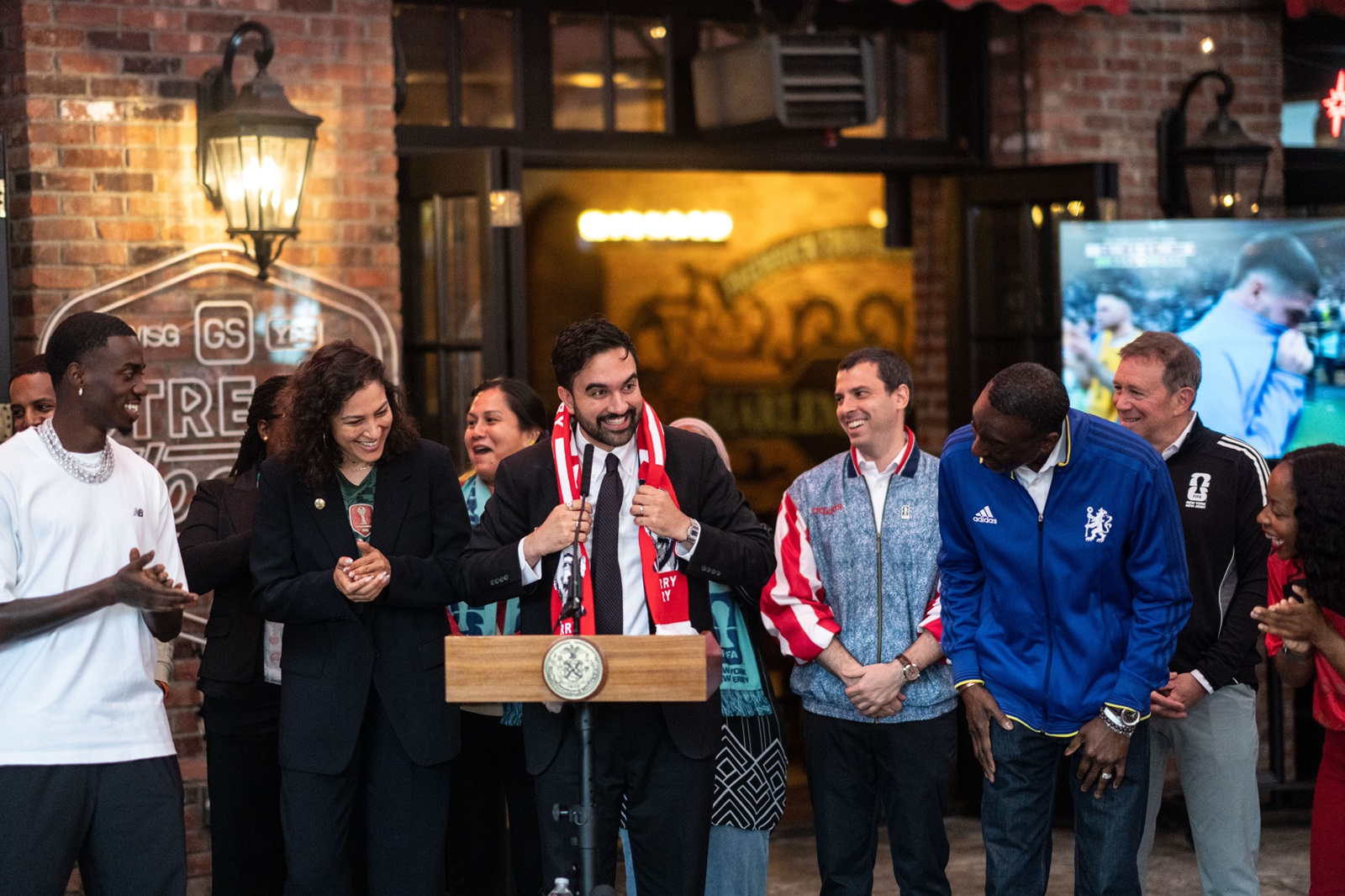
Navigating the World Cup Economic Paradox
As New York City prepares for the influx of global capital during the World Cup, the administration faces the classic tension between hosting a prestige event and protecting local economic stability. Mayor Zohran Mamdani’s $26 dining initiative, scheduled for June 11 through July 19, functions as a targeted regulatory intervention to dampen the inflationary spikes historically associated with mega-events.
By setting a standardized price point for participating venues, the city aims to preserve the affordability of the local culinary sector. This strategy is designed to ensure that the city’s service infrastructure remains accessible to residents even as external demand compresses market supply.
Operationalizing Affordability
The $26 threshold serves as a policy counterweight to luxury-tier pricing, which has increasingly marginalized the average consumer. By incentivizing restaurant participation, the administration seeks to redistribute the tournament’s economic yield beyond high-end hospitality corridors. This aligns with prior municipal priorities, such as franchise-sector labor enforcement, highlighting a consistent attempt to balance corporate profitability with consumer protection.
Resource Allocation and Digital Infrastructure
The logistical management of the $50 ticket lottery reveals the volatility of urban governance under extreme demand. Registering 3.6 million applicants in under 90 seconds, the site encountered significant bottlenecks, forcing the city to implement a cap of 50,000 registrations daily. This mechanism is not merely technical but political, intended to stabilize public expectations during a period of intense global scrutiny.
To promote civic inclusion, the administration has ring-fenced 1,000 tickets for local residents. Furthermore, the city’s commitment to providing complimentary transit to New Jersey match sites addresses the potential for geographical and financial exclusion, framing transport as a vital utility in the broader tournament strategy.
Market Pressures and Strategic Sustainability
The success of these programs rests on private sector buy-in. While the city hopes to drive volume through fixed pricing, participants must navigate margin compression. If successful, this model could redefine how municipalities manage mass-tourism events, moving away from purely revenue-focused frameworks toward integrated economic participation.
Ultimately, the World Cup serves as a stress test for New York’s long-term urban strategy. Whether these policies can withstand the pressures of international market forces remains the central question for the summer, determining if the city can maintain its reputation for diversity and accessibility under extreme economic strain.