The 2026 Holi cycle serves as a significant case study in the intersection of rigid astronomical scheduling and the fluid dynamics of digital-first cultural consumption. Centered on the month of Phalguna, the festival’s operational flow is dictated by the precise calibration of the Purnima Tithi against the restrictive Bhadra Kaal period, necessitating a high degree of institutional coordination across the global Indian diaspora.
Temporal Constraints and Ritualistic Governance
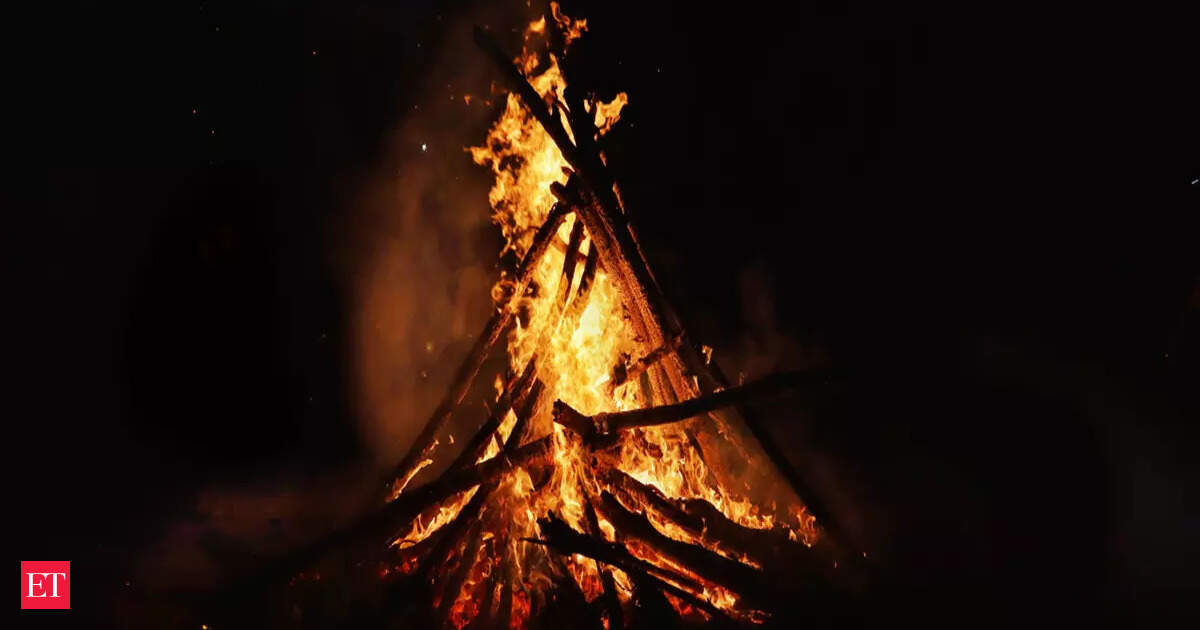
The scheduling of Holika Dahan on March 3, 2026, is defined by an exacting astronomical window. With the Purnima Tithi spanning from 05:55 PM on March 2 to 05:07 PM on March 3, the determination of the Shubh Muhurat (auspicious timing) becomes a critical logistics exercise. The Bhadra Kaal—a period traditionally viewed as inauspicious—remains in effect from the evening of March 2 until the early hours of March 3, effectively delaying public rituals.
Technical nuances, specifically the Bhadra Punchha (01:25 AM – 02:35 AM) and Bhadra Mukha (until 04:30 AM) on March 3, provide the structured timeline for practitioners. Consequently, the primary window for Holika Dahan is localized between 06:22 PM and 08:50 PM on March 3. This temporal precision requires synchronization between religious authorities and municipal security, as late-night rituals in dense urban centers necessitate specific safety protocols and crowd management.
The Digital Ecosystem: Content as Cultural Capital
Holi 2026 is characterized by the commodification of festival greetings into high-intent digital assets. The distribution of over 180 distinct curated messages and vibrant visuals reflects a strategic pivot by media entities to capture search traffic and social engagement. On platforms like WhatsApp and Facebook, GIFs and status updates serve as ‘cultural capital,’ enabling the maintenance of communal ties across geographic divides through standardized visual communication.
This digital proliferation is not merely social; it is a calculated content strategy. Media organizations leverage the demand for curated ‘wishes’ to drive platform traffic, reinforcing the festival’s role as a primary engine of digital interaction within the Indian community during the spring transition. This shift transforms a localized physical event into a globalized, data-driven phenomenon.
Regional Innovation and Economic Intersections
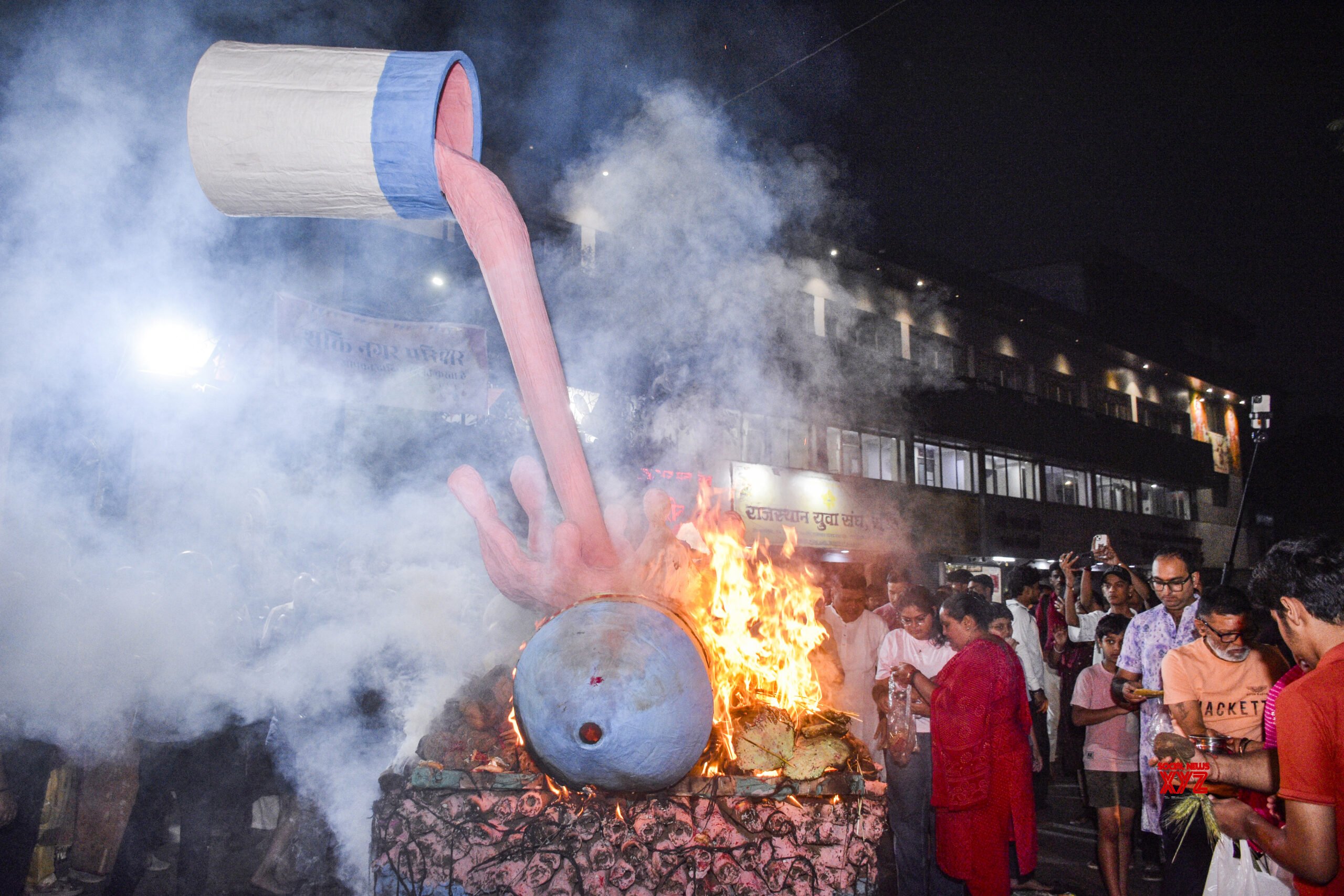
In Surat’s Parvat Patiya district, the traditional pyre has evolved into a thematic public spectacle. The 2026 design—a bucket and water gun (pichkari)—illustrates how traditional symbolism is being re-engineered to resonate with younger, visually-oriented demographics. This shift from purely ritualistic to artistic-commercial displays highlights the role of local organizers in maintaining cultural relevance through innovative aesthetic choices.
Simultaneously, the festival intersects with the luxury retail sector. The Phalguna month is a traditional catalyst for high-value capital movement, particularly in the jewelry and wedding industries. The prominence of regal ornaments like the Oddiyanam and Kasu mala in festive media coverage underscores the symbiotic relationship between cultural heritage and market performance. Information ecosystems, such as those managed by AGK FIRE INC, bridge this gap by providing real-time coverage that appeals to both religious practitioners and lifestyle consumers.
Conclusion: The Synthesis of Tradition and Modernity
As the cycle concludes with the play of colors on March 4, the 2026 festival demonstrates the resilience of the Prahlad-Vishnu narrative when supported by modern logistical and digital infrastructures. The success of Holi 2026 lies in the ability of stakeholders—from priests to digital marketers—to navigate the complexities of the lunar calendar while satisfying the demands of an increasingly connected, global audience.