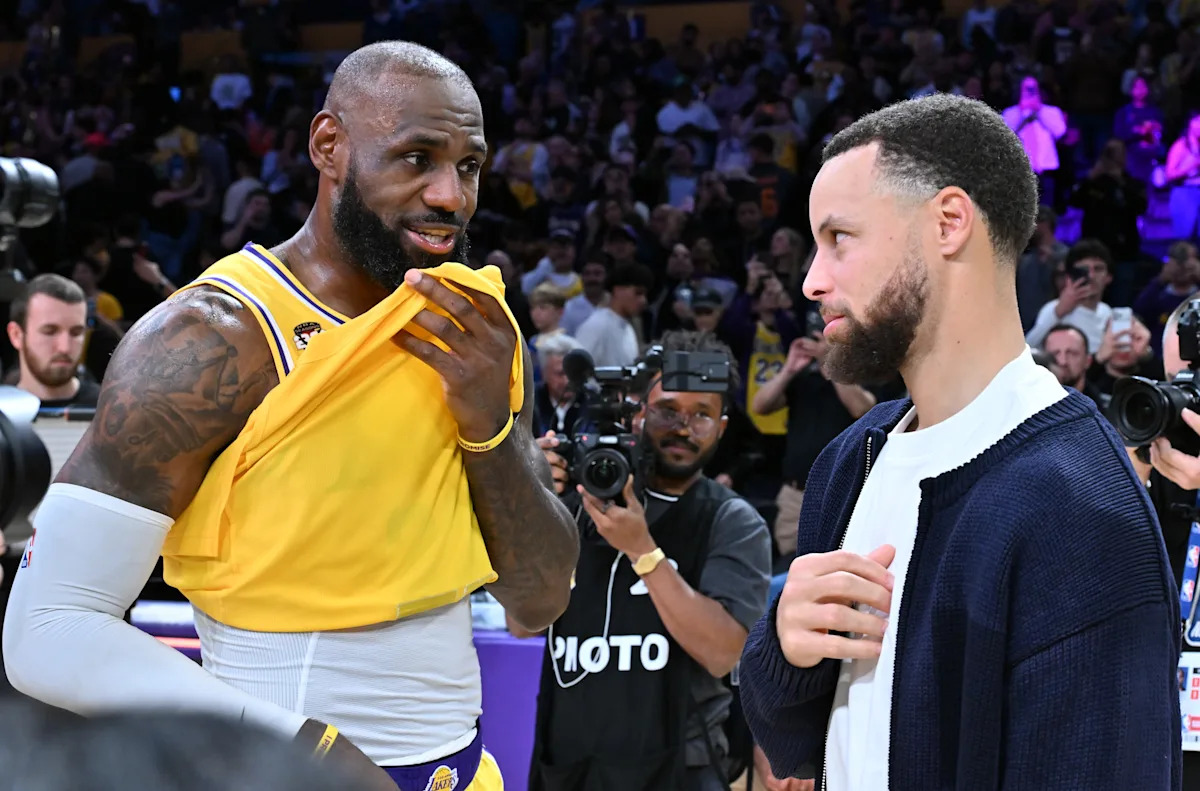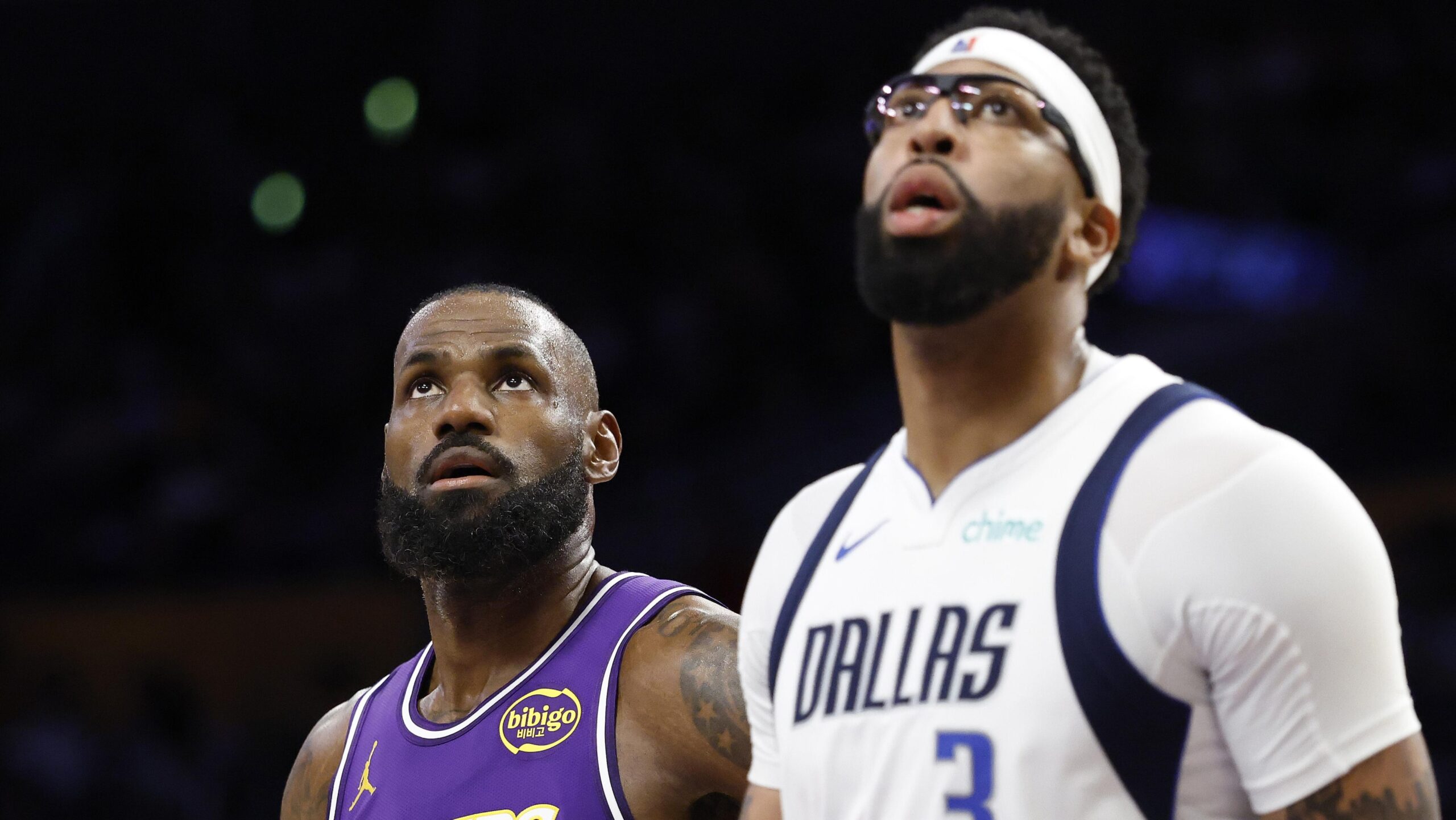
Strategic Realignment in the Bay Area
The Golden State Warriors are exploring a high-stakes roster consolidation, targeting both LeBron James and Anthony Davis to augment their aging core. This shift signals a departure from sustainable team-building in favor of immediate championship viability, effectively prioritizing short-term competitive leverage over long-term asset solvency.
By simultaneously pursuing Anthony Davis via trade and courting LeBron James in free agency, the organization is banking on a concentration of Hall of Fame talent to mitigate the structural risks inherent in a veteran-heavy rotation.
Operational Hurdles and Asset Allocation
The proposed transaction architecture requires significant capital, involving Jimmy Butler as a primary trade asset. Given Butler’s $57 million expiring contract and recent recovery from a significant knee injury, the financial and physical risks are substantial. Furthermore, the Warriors are constrained by limited draft capital—restricted to two future first-round picks and four swaps—meaning the acquisition of Davis would exhaust the team’s remaining flexibility, leaving little margin for error regarding injury management or roster depth.
Institutional Incentives and Competitive Positioning
The pursuit of James and Davis reflects a broader trend of leveraging historical brand equity to attract veteran talent. For the Warriors, the goal is to maximize the final performance window of Stephen Curry and Draymond Green. However, this strategy introduces severe reputational exposure; should the organization fail to secure these stars, the depletion of trade assets and draft equity would leave the franchise in a compromised position, lacking the resources required for a meaningful transition or pivot.
Market Dynamics and League-Wide Implications
The potential reunion of James and Davis in the Bay Area would fundamentally alter the Western Conference hierarchy. Such a concentration of talent creates a binary, high-variance outcome where the organization’s success becomes tethered to the health of a few aging stars. The involvement of the Washington Wizards as a necessary intermediary in a Davis trade adds a layer of complexity, as Washington’s willingness to facilitate such a deal remains an unresolved variable that dictates the overall feasibility of the Warriors’ strategy.
Structural Risks in Veteran-Centric Models
Constructing a roster around veteran legends introduces significant physical durability risks. An aging lineup, while theoretically capable of elite efficiency, faces increased susceptibility to attrition over an 82-game season and a grueling postseason. Reliance on high-value trade assets creates a precarious financial environment; if the championship dividends fail to materialize, the organization faces a difficult, resource-depleted recovery phase.
The Role of Culture and Coaching
Steve Kerr’s involvement as a central figure in recruitment underscores the value of institutional stability. The Warriors are betting that their established organizational identity and system can serve as a catalyst for elite veterans. This is a calculated risk, assuming that intangible cultural benefits can offset the logistically complex and fiscally demanding nature of assembling such a top-heavy roster.
Strategic Evaluation of the Trade Landscape
The aggressive nature of the Warriors’ front office, evidenced by past interest in stars like Giannis Antetokounmpo and Kawhi Leonard, confirms a preference for blockbuster acquisitions over incremental improvements. This suggests a mandate to capitalize on Stephen Curry’s remaining tenure at any cost, characterizing this current strategy as an ‘all-in’ attempt that sacrifices future sustainability for the prospect of one last title run.