Plato Fire: Contained Threat Underscores Vandenberg’s Strategic Vulnerability
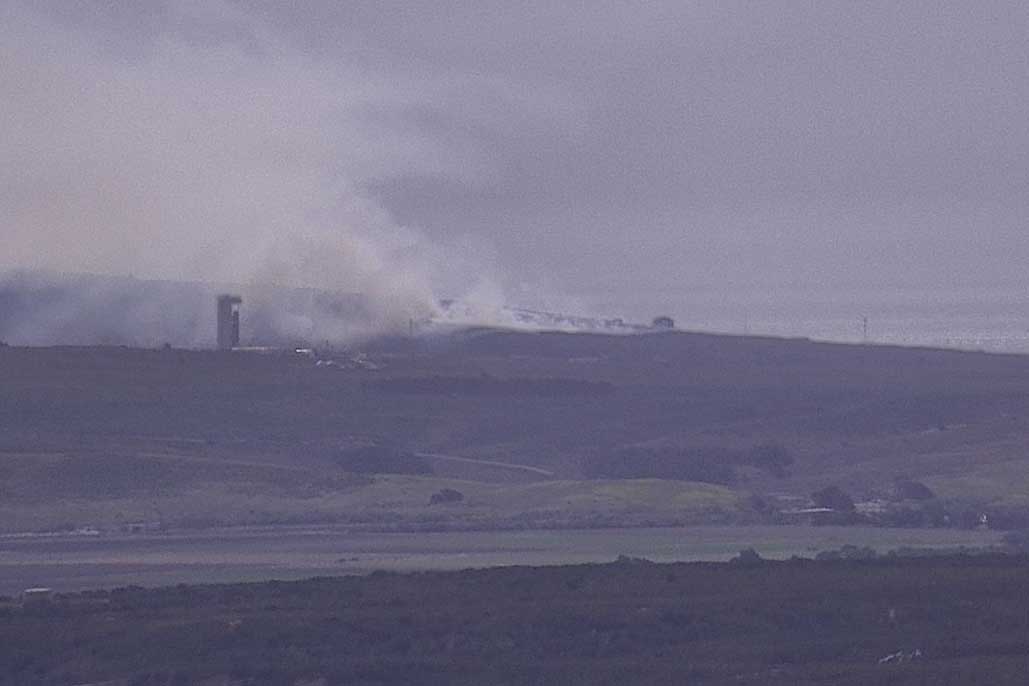
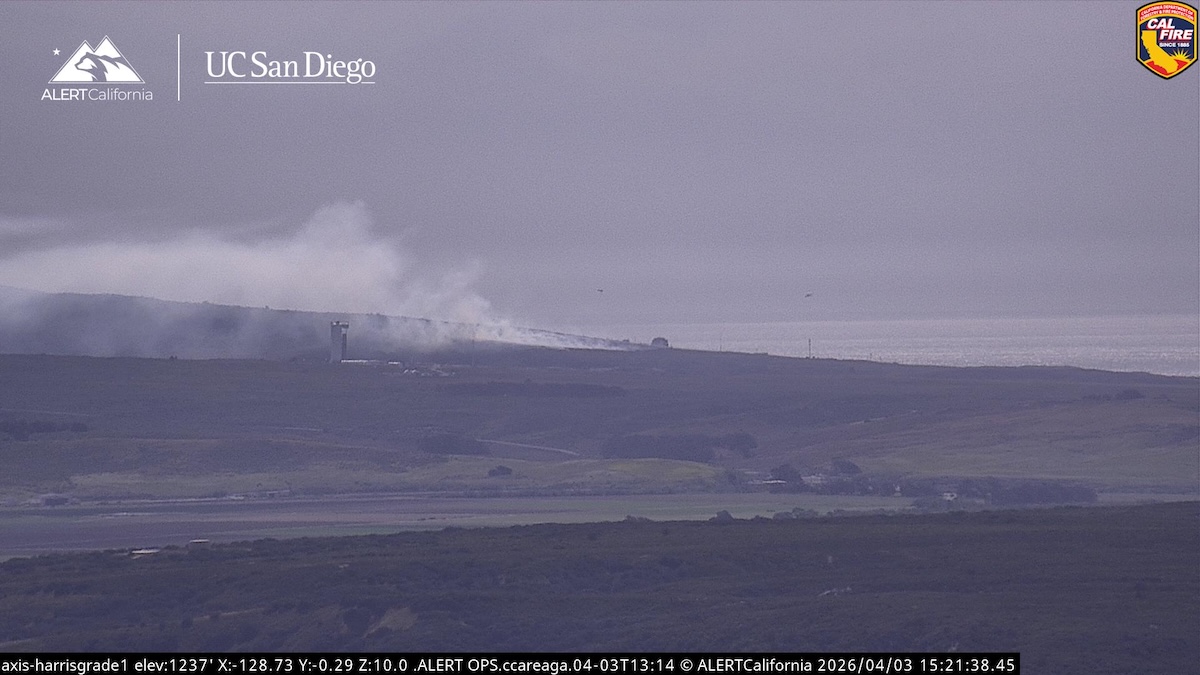
On April 3, 2026, a vegetation fire, designated the Plato Fire, ignited on South Base at Vandenberg Space Force Base, ultimately burning approximately 23 acres before being brought under control. This incident, initially reported as a smaller blaze via the WatchDuty app, rapidly escalated amidst gusty winds, low humidity, and warm temperatures, conditions highly conducive to wildfire spread in the region. Its proximity to a vital national space launch complex immediately triggered a robust, multi-agency emergency response, highlighting the persistent challenges of protecting critical national assets in fire-prone environments.
Rapid Multi-Agency Response Safeguards Critical Infrastructure
The swift containment of the Plato Fire within hours of its initial report stands as a testament to the efficacy of established emergency protocols and inter-agency collaboration. Personnel from the Vandenberg Fire Department spearheaded immediate suppression efforts, quickly activating mutual aid agreements. Support rapidly arrived from neighboring entities, including the Santa Barbara County Fire Department and Los Padres National Forest, showcasing an integrated regional emergency management framework. The coordinated deployment of specialized resources, notably a helicopter for aerial suppression and a bulldozer crew for containment lines, proved instrumental in halting the blaze’s forward progress and preventing any threat to base structures, launch facilities, or critical infrastructure.
This rapid mobilization, even as firefighters simultaneously responded to a separate structure fire in Lompoc, underscored the inherent strain on regional emergency services during periods of elevated risk. Such concurrent incidents emphasize the critical importance of robust mutual aid agreements and sustained funding for both federal and local fire departments to maintain operational readiness.
Strategic Implications for National Security and Space Operations
Vandenberg Space Force Base is a cornerstone of national security, serving as a vital launch and test range for military, intelligence, and commercial space operations. The Plato Fire, despite causing no direct damage, carried significant strategic implications. Any incident near its space launch complexes necessitates a diversion of resources and imposes a temporary operational burden, underscoring the constant vigilance required to protect such high-value national assets. The event serves as a tangible reminder of the environmental risks inherent in maintaining critical strategic capabilities within California’s fire-prone landscapes, reinforcing the imperative for proactive risk management.
Beyond national security, potential disruptions to base operations could ripple through the local economy. Vandenberg is a significant economic driver for communities like Lompoc, supporting thousands of jobs. Prolonged operational interruptions due to environmental hazards could impact contractors, suppliers, and ancillary services, emphasizing the financial imperative for robust fire prevention and rapid response to safeguard both national assets and regional economic stability.
Lessons Learned and Future Resilience Planning
The environmental context of the Plato Fire — occurring during conditions ripe for rapid ignition and spread — underscores the escalating challenge of wildfire management in California. The ongoing investigation into the fire’s cause is crucial for refining risk assessments, informing future land management practices, and optimizing resource allocation. Proactive measures, including aggressive vegetation management, maintaining defensible space, and updating firebreak systems, are paramount for mitigating such risks at strategic federal installations.
Furthermore, the incident highlighted the increasing integration of technology in emergency response. Platforms like WatchDuty and AlertCalifornia provided real-time situational awareness, demonstrating their value in disseminating verified information and enhancing coordinated decision-making for both responders and the public.
The Plato Fire will inform Vandenberg’s long-term strategic planning, prompting continuous evaluation of infrastructure hardening, water sources, and access routes. Investment in advanced fire detection systems, climate-resilient landscaping, and ongoing personnel training are continuous strategic imperatives to ensure uninterrupted operational capacity and safeguard the nation’s access to space in an era of increasing environmental volatility. This proactive approach, coupled with strong stakeholder engagement and collaboration with neighboring communities, forms the bedrock of collective resilience for critical infrastructure.
Policy Insights and the Role of Independent Journalism
This incident provides a practical case study for policymakers assessing critical infrastructure protection frameworks in the context of climate-driven hazards. It underscores the need for adaptive policies that account for evolving wildfire risks, ensuring adequate federal funding for prevention, response, and recovery efforts at strategic national sites. Discussions on federal land management, inter-agency resource sharing mandates, and climate change adaptation strategies will inevitably draw upon such real-world events.
Finally, the acknowledgment of the Mickey Flacks Journalism Fund for Social Justice in underwriting the original article highlights the vital role of independent local journalism. Such funding supports granular reporting essential for providing context and insight into events affecting critical infrastructure and public safety, ensuring an informed public discourse around these nationally significant incidents.