
The Trump administration’s petition to challenge the broadcast licenses of ABC-owned stations signals a shift toward using the Federal Communications Commission (FCC) as a mechanism for institutional oversight based on content-related grievances. By targeting the ‘public interest’ obligations inherent in the Communications Act of 1934, the administration is testing the boundaries of executive influence over private media conglomerates. This strategy specifically leverages administrative law to pressure Disney, ABC’s parent company, potentially impacting the valuation of its core broadcast assets.
Central to this escalation is FCC Commissioner Brendan Carr, whose vocal criticism of media consolidation and perceived bias provides the ideological framework for this challenge. Historically, broadcast license renewals are pro forma administrative tasks; however, the current push for ‘highly unusual scrutiny’ introduces significant regulatory risk. This process could force Disney into costly discovery phases, exposing internal communications to public record and creating a chilling effect on editorial independence across the industry.
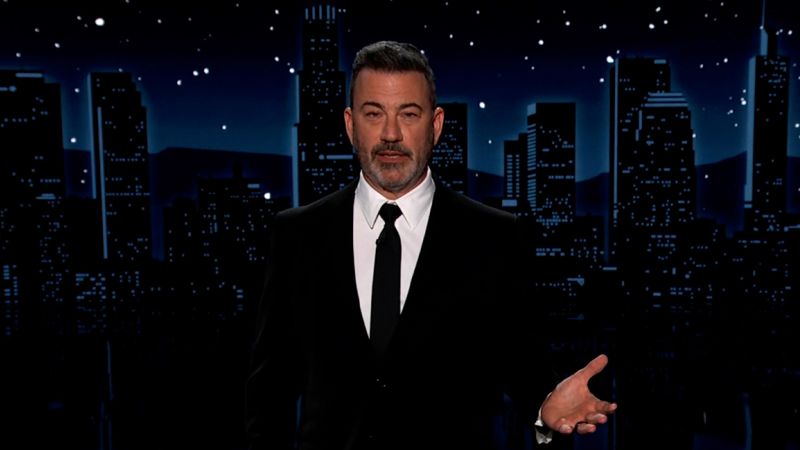
Disney’s response, characterized by Jimmy Kimmel’s continued satirical monologues, suggests a high-stakes corporate calculation. Rather than de-escalating, the network is prioritizing brand identity and the revenue-generating power of its late-night lineup. Kimmel’s tactical redirection—highlighting the President’s own self-deprecating humor regarding his age and marriage—aims to frame the administration’s demands for his termination as a rhetorical double standard rather than a legitimate regulatory concern.
The conflict has also exposed a legislative-executive divide within the Republican party. Representative James Comer, Chairman of the House Oversight Committee, has publicly defended the right to satirical speech, signaling a preference for content-neutrality that complicates the administration’s regulatory narrative. This internal friction highlights the difficulty of reconciling political retaliatory measures with established First Amendment jurisprudence, which has historically shielded broadcasters from license revocation based solely on content.
For investors and strategic planners, this challenge introduces a new variable into media sector valuation: political volatility risk. While the legal bar for license revocation remains exceptionally high, the prolonged administrative delays and legal expenditures represent a material threat to operational stability. The outcome of this dispute will likely redefine the limits of the FCC’s authority in the modern era, determining whether administrative power can be used to recalibrate the relationship between the state and the Fourth Estate.

Photo by sergeitokmakov on Pixabay.