
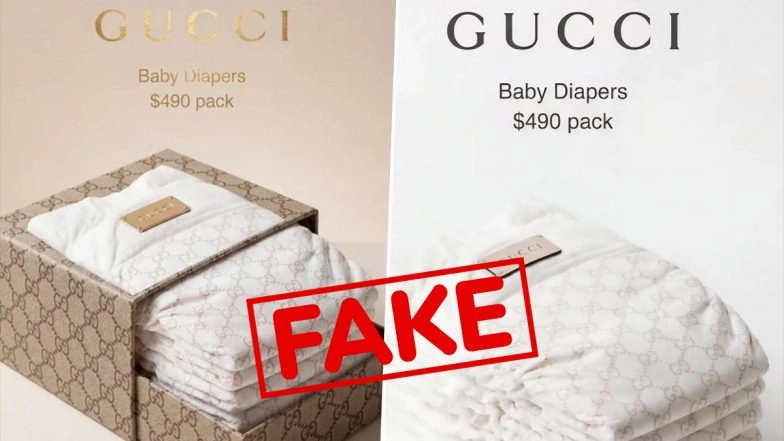
The viral proliferation of claims regarding a purported Gucci baby diaper—reportedly priced at INR 50,000—highlights a critical intersection between luxury brand equity and digital misinformation. Despite the absence of official confirmation or product listings, the narrative’s rapid traction underscores the high sensitivity of the luxury market to perceived shifts in product strategy. This incident illustrates how unregulated social media ecosystems can fabricate product narratives that challenge a brand’s established retail identity.
Strategic Implications of Brand Dilution and Semiotic Dissonance
Luxury houses maintain prestige through exclusivity and the strategic curation of durable goods. The rumor of a disposable, high-frequency consumable priced at nearly INR 7,000 per unit introduces significant semiotic dissonance. Such claims test the limits of price elasticity and consumer tolerance for ‘absurd’ luxury. Furthermore, the unauthorized application of the ‘GG’ monogram in viral posts constitutes a form of intellectual property exposure, risking the transition of brand perception from aspirational to satirical.
By mimicking technical specifications—citing organic cotton and memory foam—this misinformation gains a veneer of credibility. This operational vulnerability is particularly acute for brands like Gucci that already occupy the premium baby care sector through durable goods like diaper bags. The institutional challenge lies in mitigating these digital artifacts before they permanently alter market sentiment or erode consumer trust in official brand communications.
Economic Analysis: The Veblen Good Phenomenon
The rumored price positions the product as a classic Veblen good, where demand is fueled by the price itself as a signal of status. However, for a consumable item, this pricing represents a radical departure from traditional value propositions, focusing entirely on symbolic capital. Public backlash suggests a structural threshold where even affluent segments perceive a disconnect between utility and cost. Logistically, the manufacturing of a high-performance disposable item with these alleged specifications would require a supply chain overhaul that contradicts the high-turnover nature of the baby care industry.
For investors, such rumors are a barometer of brand perception. While immediate sales remain unaffected, the potential for market confusion regarding product diversification strategy is high. Maintaining clarity in official governance is essential to ensure that capital movement remains aligned with documented strategic growth rather than speculative digital noise.
Institutional Response and Digital Governance
The role of fact-checking in the luxury sector is becoming increasingly vital as social media platforms prioritize engagement over accuracy. The lifecycle of this rumor—from meme to pseudo-news—demonstrates the erosion of traditional editorial gatekeeping. Luxury houses must now adopt proactive digital governance to compete with highly shareable, fictional content. By clearly delineating official offerings, brands can establish a definitive source of truth to counter the distorting effects of the viral economy.
Conclusion: Protecting Heritage in a Volatile Economy
The Gucci diaper incident serves as a case study in the volatility of modern brand management. While the product remains a fiction of the digital age, the reaction offers valuable data on the public’s perception of luxury limits. Moving forward, the ability to distinguish between strategic innovation and viral speculation will be a key competency for leaders in the high-fashion sector. Protecting brand heritage now requires a combination of authentic craftsmanship and rigorous intellectual property defense.

Photo by Michelle_Pitzel on Pixabay.