National Guard Presence Becomes a Fixture in Washington D.C.
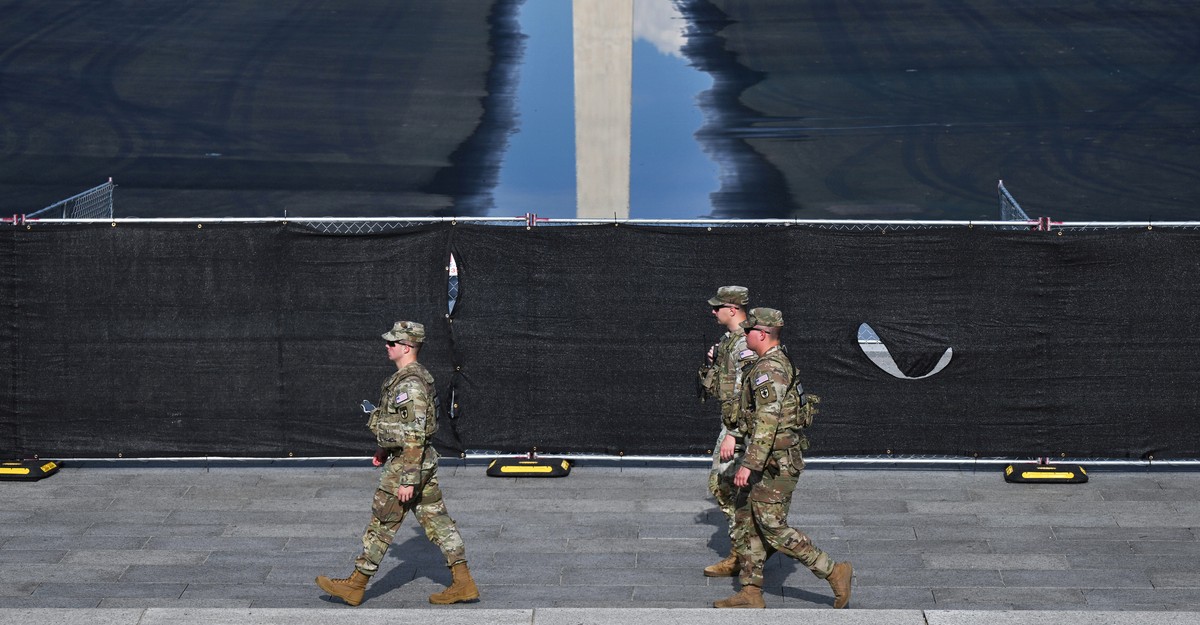
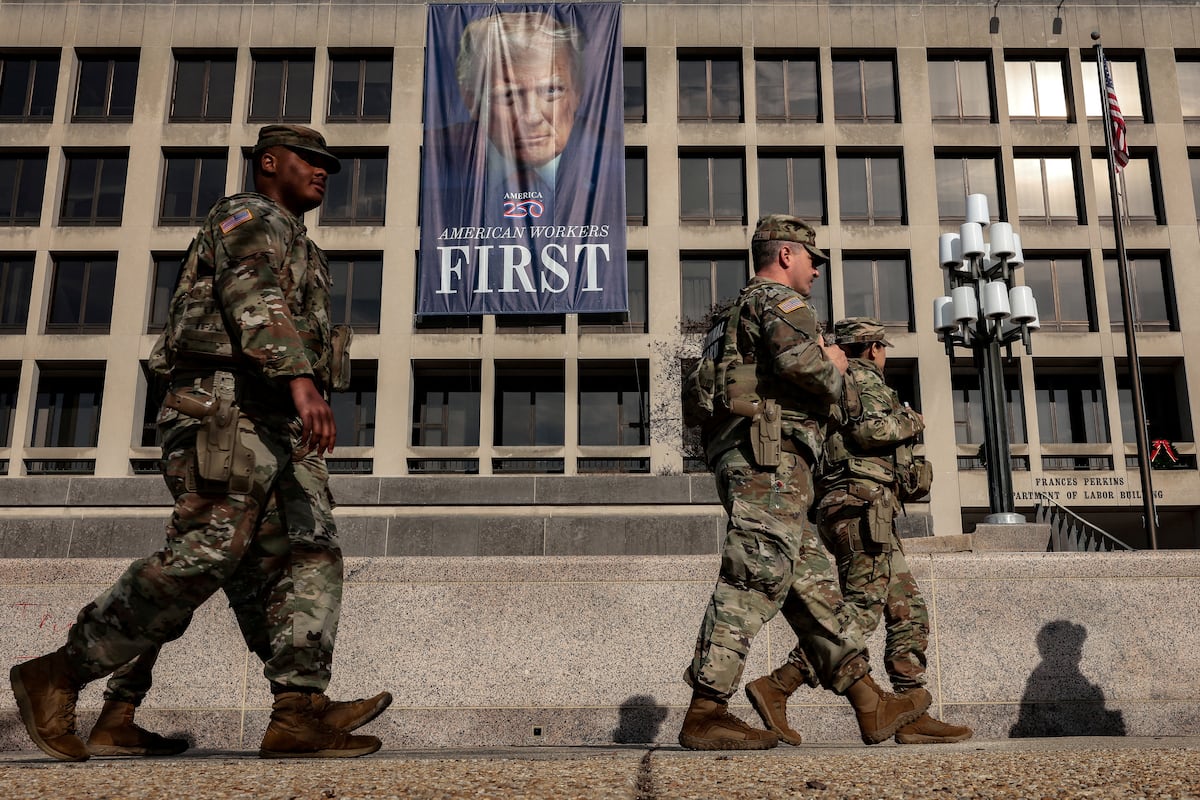
Washington D.C. is entering its second year with a substantial federal military presence on its streets, a significant departure from historical norms. This deployment, initiated under former President Donald Trump, has normalized the sight of soldiers patrolling public spaces and transit systems alongside federal law enforcement. What was initially presented as a temporary measure now prompts critical examination of its long-term strategic justification and operational effectiveness.
The initial deployment last August was framed as a response to rising crime, particularly in cities perceived to be poorly managed. Thousands of National Guard troops were ordered to the capital with a mandate to combat crime through visible patrols in high-traffic tourist areas, national monuments, and public transit hubs. However, independent observations and data indicate a disconnect between the scale of the deployment and its tangible impact on criminal activity.
Questionable Efficacy in Crime Deterrence
Despite the substantial troop numbers and their constant visibility, National Guard soldiers deployed in Washington D.C. have been involved in a remarkably small fraction of criminal cases. Reports indicate their participation in approximately 1.3% of criminal filings in the Superior Court of the District of Columbia since their arrival. This statistic highlights a significant gap between the intended purpose of deterring and combating crime and the observed operational outcomes.
Instances have been documented where National Guard members were present during criminal incidents but did not intervene, as noted by an officer in a report detailing an assault outside a nightclub. This suggests potential limitations in clear operational directives, restricted authority, or a strategic focus that prioritizes presence over direct law enforcement engagement, raising questions about the return on investment for such a large-scale deployment.
Financial Implications and Strategic Criticism
The deployment of the National Guard to Washington D.C. represents a considerable financial outlay, with critics labeling it a “multibillion dollar failure.” The financial burden encompasses personnel costs, logistical support, equipment, and extended operational periods. This significant expenditure, coupled with the limited demonstrable impact on crime reduction, has drawn sharp criticism from policy analysts and advocacy groups.
The extension of this deployment through Inauguration Day 2029, as reported by the Pentagon, transforms a temporary emergency response into a prolonged, open-ended federal mobilization. This strategic decision implies a shift in resource allocation priorities, potentially diverting funds and personnel from other critical areas or initiatives that might offer a more effective approach to public safety.
Undermining Local Authority and Community Trust
The heavy-handed approach of deploying National Guard troops and augmenting federal law enforcement presence in D.C. has reportedly alienated local communities. Instead of fostering enhanced security, this strategy has, in some instances, created friction and distrust between residents and the deployed forces. The perception of an external military presence intervening in local public safety matters can undermine the authority of local law enforcement and erode community-police relations.
This approach contrasts with community-oriented policing strategies that emphasize collaboration and trust-building. The long-term consequences of such alienation could include reduced cooperation from residents in crime prevention efforts and a broader sense of disempowerment within affected communities, potentially exacerbating the very issues the deployment aims to address.
Crime Trends and Political Narratives
The narrative surrounding the National Guard deployment often links it to a broader effort to combat crime, particularly in cities led by Democrats. However, available data suggest that crime rates in Washington D.C. were already trending downwards prior to the troop surge. This indicates that the deployment may not have been the primary driver of any subsequent crime reduction and potentially capitalized on existing public anxiety about safety for political purposes.
The political framing of these deployments as a necessary response to a “fabricated emergency” has been met with strong opposition and factual challenges. The administration’s response to critical reports, including accusations of “Radical Left SCAM” and threats of legal action, highlights the contentious nature of these policies and the administration’s efforts to control the public narrative surrounding their effectiveness and necessity.
Operational and Strategic Re-evaluation Needed
The sustained and costly deployment of the National Guard in Washington D.C., with its questionable impact on crime reduction, necessitates a critical re-evaluation of public safety strategies. The significant financial investment and the potential for community alienation suggest that alternative or complementary approaches may be more effective and efficient in addressing the complex issue of urban crime.
This situation underscores the importance of evidence-based policymaking in public safety. A thorough analysis of operational data, cost-benefit ratios, and community impact assessments is crucial to inform future decisions regarding the use of federal military resources in domestic law enforcement contexts. The long-term implications for civil liberties, community relations, and fiscal responsibility warrant a comprehensive and transparent review.
Broader Implications for Federal-Local Law Enforcement Dynamics
The extensive use of federal troops and agents in a city’s local policing matters signals a significant shift in the traditional federal-local law enforcement dynamic. This intervention, particularly when involving federal agents acting as “beat cops” and the National Guard patrolling independently, can blur jurisdictional lines and create command and control complexities.
Such deployments can also set precedents for future federal involvement in domestic security, potentially leading to increased reliance on military or paramilitary forces for civilian law enforcement. This raises constitutional questions and concerns about the militarization of domestic policing, impacting the balance between federal authority and local autonomy in public safety matters.
Resource Allocation and Opportunity Costs
The multibillion-dollar expenditure on the National Guard deployment in D.C. carries substantial opportunity costs. These funds could have been allocated to other critical public safety initiatives, such as community policing programs, social services, mental health support, or infrastructure improvements, which often address the root causes of crime more effectively.
The decision to prioritize a visible, albeit less effective, military presence over potentially more impactful community-based solutions reflects a particular strategic philosophy. This choice highlights a debate over the most effective means of ensuring public safety and the optimal allocation of limited government resources in addressing complex urban challenges.
The Role of Media and Public Perception
The narrative surrounding the National Guard deployment has been significantly shaped by political rhetoric and media coverage. The administration’s strong reactions to critical reports, including labeling them a “SCAM,” demonstrate an awareness of the public perception battle. The effectiveness of these deployments, therefore, is not solely measured by crime statistics but also by their ability to influence public opinion and political discourse.
The sustained presence of troops in a city, juxtaposed with claims of a crime crisis, creates a complex media environment. This can lead to a public perception influenced more by the visual spectacle of military presence than by a nuanced understanding of crime data and the effectiveness of different law enforcement strategies.
Long-Term Impact on Civil Liberties and Governance
The normalization of military presence on civilian streets, especially in a capital city, carries potential long-term implications for civil liberties and democratic governance. The historical rarity of such deployments on U.S. soil underscores a foundational understanding of the separation between military and civilian functions.
A prolonged period of military involvement in domestic law enforcement could erode public trust in civilian institutions and create an environment where the use of force becomes a more readily accepted response to social issues. This trajectory could subtly alter the relationship between the state and its citizens, emphasizing control and surveillance over community engagement and rights protection.
Strategic Reassessment and Future Policy Directions
The current situation in Washington D.C. serves as a case study for a broader reassessment of national security and public safety strategies. The significant financial investment and the limited demonstrable impact on crime rates suggest that the current approach may not be sustainable or optimal.
Future policy directions should consider a more data-driven and evidence-based approach to crime prevention and public safety. This includes exploring the efficacy of community-based programs, investing in social determinants of health and well-being, and ensuring that any deployment of federal forces is clearly defined, time-limited, and demonstrably effective in achieving its stated objectives, while respecting civil liberties and local governance.