
Chronological Friction: The Memoir vs. The Digital Record
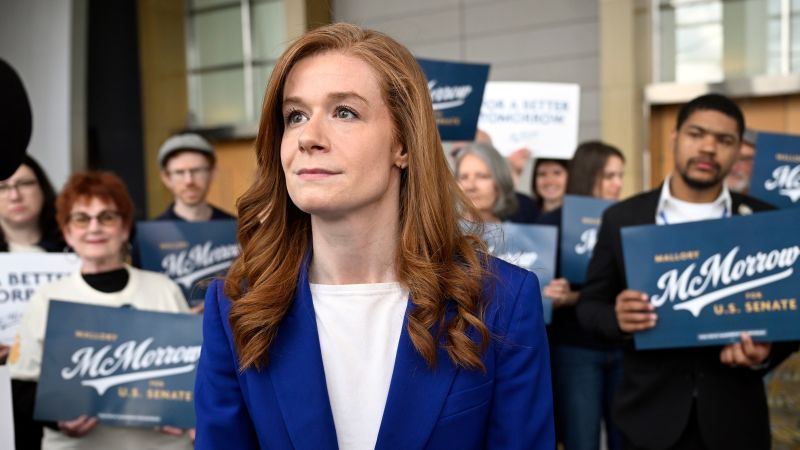
The campaign of Michigan State Senator Mallory McMorrow faces an analytical challenge as investigative scrutiny highlights a divergence between her public narrative and administrative data. While McMorrow’s 2025 memoir claims a permanent move to Michigan in 2014, forensic analysis of archived social media and voting logs suggests an active California residency extending into mid-2016. This conflict creates a structural vulnerability, shifting the campaign’s focus from policy leadership to narrative defense.
The Administrative Weight of California Voting Records
Documentary evidence indicating McMorrow’s participation in California’s June 2016 primary functions as a formal legal declaration of residency. Because voting typically requires an affirmation of local inhabitancy under penalty of perjury, this 2016 activity directly contradicts the 2014 relocation timeline. This institutional friction is exacerbated by her August 2016 Michigan voter registration, leaving a two-year gap that opponents characterize as a lack of organic regional commitment.
Digital Erasure and Operational Liability
The strategic mass deletion of thousands of tweets—many expressing nostalgia for California and detachment from the Midwest—has transformed a social media cleanup into a focal point of investigative reporting. The recovery of these posts via the Wayback Machine demonstrates the futility of digital erasure in high-stakes politics. In a battleground state like Michigan, sentiments perceived as culturally misaligned with the local electorate provide rhetorical leverage for accusations of political opportunism.
Shifting Competitive Dynamics and Polling Volatility
The timing of these residency disclosures coincides with a measurable shift in primary momentum. Recent polling indicates Haley Stevens has gained a narrow lead, suggesting that voter confidence is sensitive to these biographical inconsistencies. For the Stevens campaign, this provides a strategic opening to consolidate undecided voters. Simultaneously, institutional stakeholders and donors may reassess McMorrow’s general election viability if her residency becomes a permanent administrative or legal target.
Constitutional Thresholds and Political Perceptions
While the U.S. Constitution’s inhabitancy requirements are often broadly interpreted, the political threshold for regional authenticity is significantly more stringent. The documented overlap of residency claims—specifically voting in Los Angeles in late 2014 while claiming Michigan residency—raises questions regarding institutional transparency. As the primary progresses, the campaign’s ability to reconcile these dates with the candidate’s ‘rising star’ status will determine its path forward in a tightening race.

Photo by Corven24 on Pixabay.