Global Security Alert Issued Amid Escalating Regional Tensions
The U.S. Department of State has issued a worldwide security alert, advising American citizens to exercise increased caution due to potential threats from Iran-linked groups. This directive underscores a heightened risk environment, particularly in the Middle East, signaling a strategic recalibration of U.S. diplomatic and citizen security protocols in response to escalating regional tensions and a cycle of retaliatory actions.
The alert specifically notes that U.S. diplomatic facilities, even those outside the Middle East, have been targeted. This indicates a potentially broad operational reach of hostile entities, necessitating a comprehensive review of security postures for all overseas U.S. interests and personnel.
Groups identified as supportive of Iran are cited as potential actors targeting U.S. interests overseas or locations associated with the United States and its citizens. This broad attribution suggests a strategic intent to leverage asymmetric tactics and create widespread unease.
Strategic Implications of Heightened Threat Environment
The issuance of a worldwide alert signifies a significant escalation in perceived threats, compelling a strategic reassessment of diplomatic engagement and citizen protection across all U.S. international operations. This proactive measure aims to mitigate potential kinetic events and their subsequent diplomatic fallout.
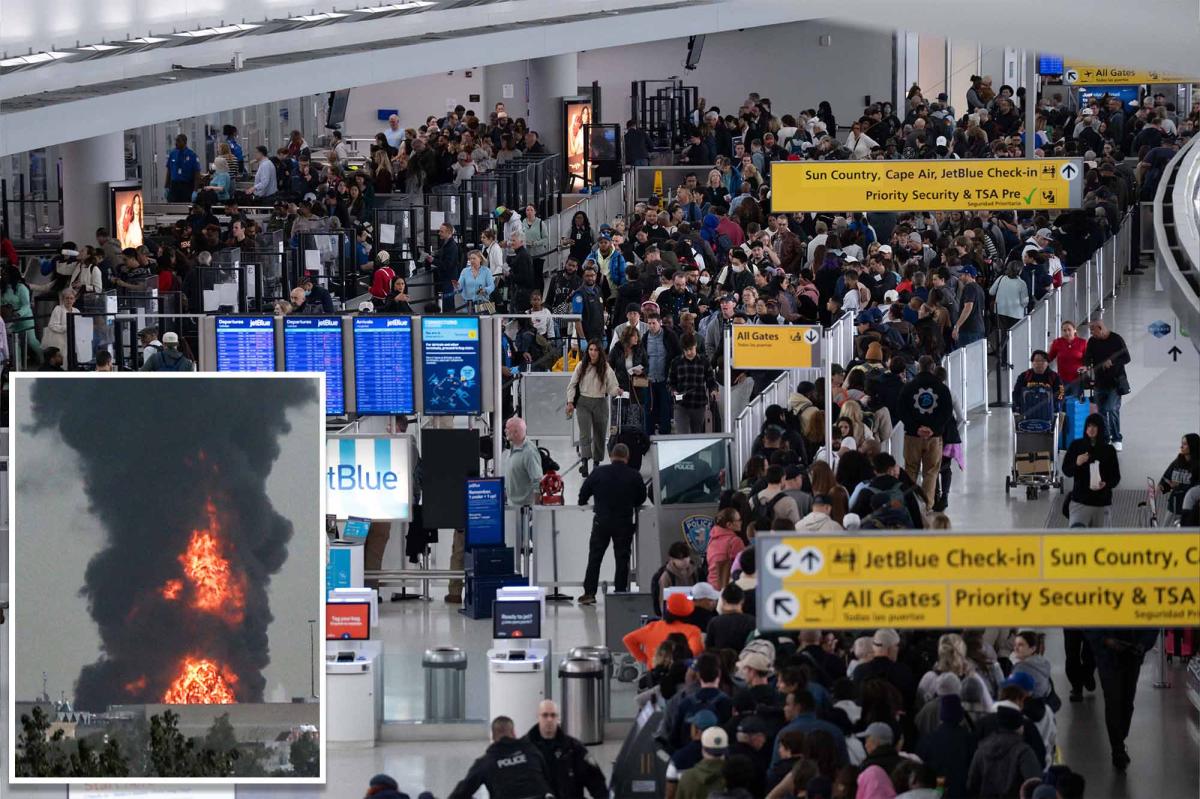
The warning of potential airspace closures and travel disruptions directly impacts logistical chains and the operational capacity of U.S. entities abroad, including commercial aviation and supply routes. Such disruptions can impose substantial economic costs and necessitate contingency planning.
The explicit mention of targeting U.S. interests and locations associated with Americans worldwide suggests a strategic objective to inflict reputational damage and create a climate of fear, potentially leveraging information warfare to undermine U.S. influence.
Economic and Diplomatic Leverage in Conflict Escalation
Statements from Treasury Secretary Scott Bessent indicating ample financial resources to sustain pressure, coupled with the strategic framing of “escalate to de-escalate,” suggest a policy of sustained pressure with significant economic underpinning for geopolitical maneuvering and military readiness.
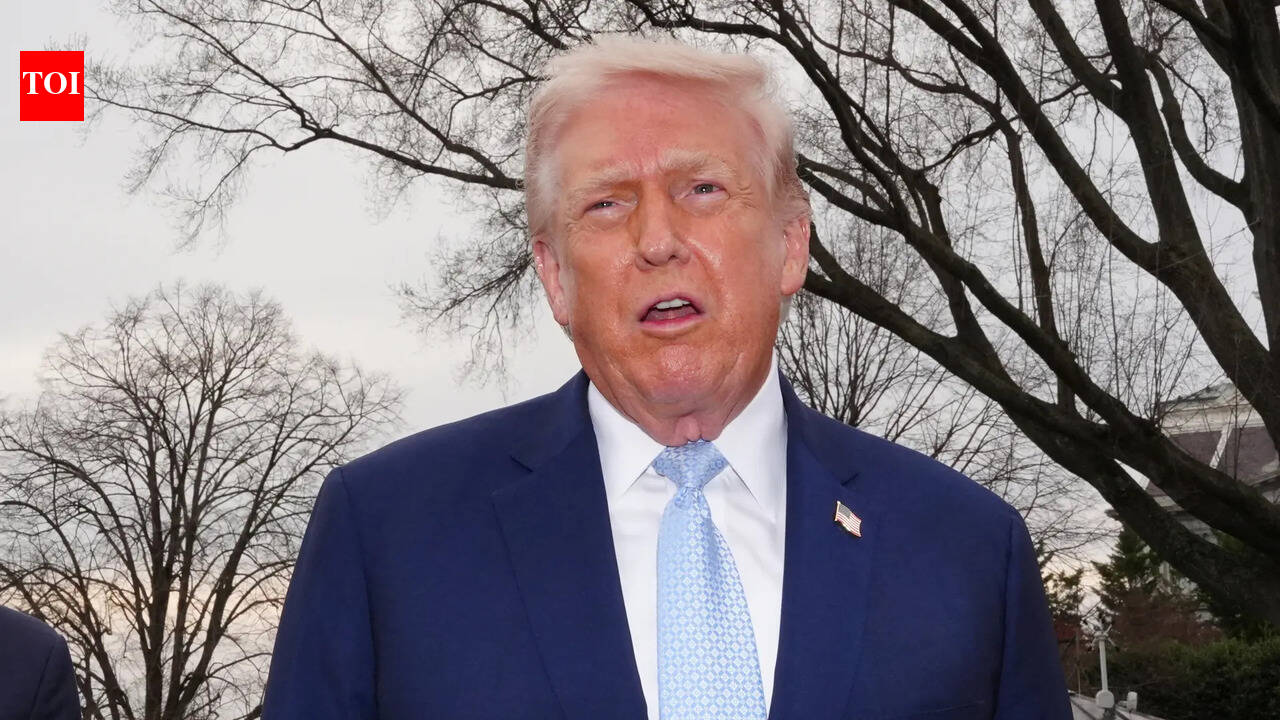
An ultimatum issued by former President Trump to Iran regarding the Strait of Hormuz frames the conflict within a context of maritime security and economic chokepoints, backed by the implied threat of further military action to compel specific behavioral changes.
The timing of the alert, following retaliatory actions by Iran against U.S. interests after alleged attacks on Iran, indicates a tit-for-tat escalation cycle. This pattern suggests strained diplomatic channels, with security alerts serving as a primary tool for risk management and public communication.
Downstream Effects on Global Operations and Markets
The global security alert and underlying geopolitical tensions have immediate implications for international travel, trade, and investment flows, particularly in regions proximate to the Middle East. Increased caution among American citizens abroad can lead to reduced tourism and business travel, impacting local economies and global supply chains.
The potential for airspace closures and travel disruptions introduces significant operational risks for multinational corporations and international organizations, requiring robust business continuity plans.
Strategic signaling from U.S. officials regarding financial capacity and willingness to escalate influences global energy markets, commodity prices, and investment strategies of entities seeking to hedge against geopolitical volatility.
Institutional Response and Stakeholder Exposure
U.S. diplomatic missions worldwide are operating under an elevated threat assessment, requiring enhanced security protocols that may impact routine operations and consular services, placing direct operational strain on the State Department.
American citizens abroad and businesses with significant U.S. expatriate workforces face increased personal and operational risks, necessitating adherence to official advisories and potentially leading to decisions regarding relocation or altered travel plans.
The Iranian regime and its affiliated groups face increased international scrutiny and potential retaliatory measures, while simultaneously leveraging the alert for strategic communication and projecting an image of defiance.
Broader Geopolitical Context and Strategic Recalibration
The current situation reflects a complex interplay of regional rivalries, proxy conflicts, and broader geopolitical competition. The U.S. alert is a manifestation of its strategy to manage these multifaceted threats and maintain strategic interests in a volatile international landscape.
The emphasis on Iran-linked groups suggests a strategic focus on non-state actors and their state sponsors as primary vectors of threat, requiring a nuanced approach balancing diplomatic pressure, economic sanctions, and targeted security operations.
The ongoing escalation cycle underscores the fragility of regional stability and the potential for miscalculation to trigger wider conflicts. The global security alert serves as a critical communication tool to inform allies, deter adversaries, and manage public expectations.
Future Trajectories and Strategic Considerations
The sustained issuance of global security alerts and rhetoric surrounding escalation suggest a prolonged period of heightened geopolitical tension, necessitating continuous adaptation of security measures and strategic planning.
The effectiveness of U.S. diplomatic facilities in managing these threats will be a key determinant of regional stability and the perception of American leadership, with their ability to provide timely security guidance to citizens being paramount.
Long-term implications for global trade, travel, and international cooperation depend on de-escalation or containment of current conflicts. Strategic decisions made in the coming weeks will shape the future trajectory of international relations and the global security architecture.