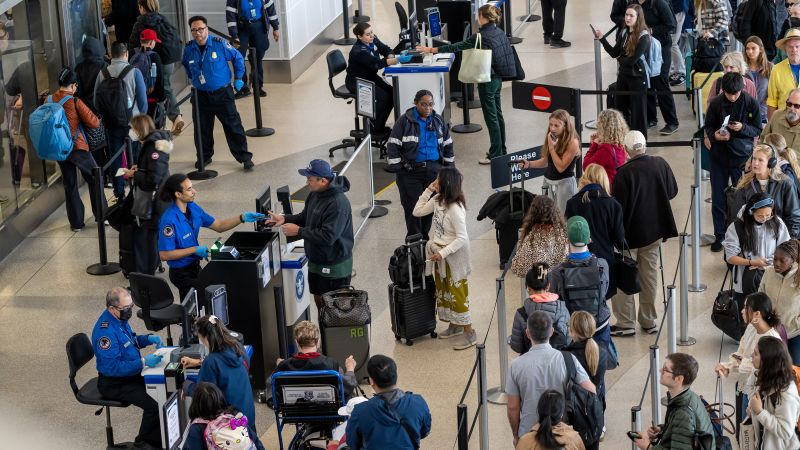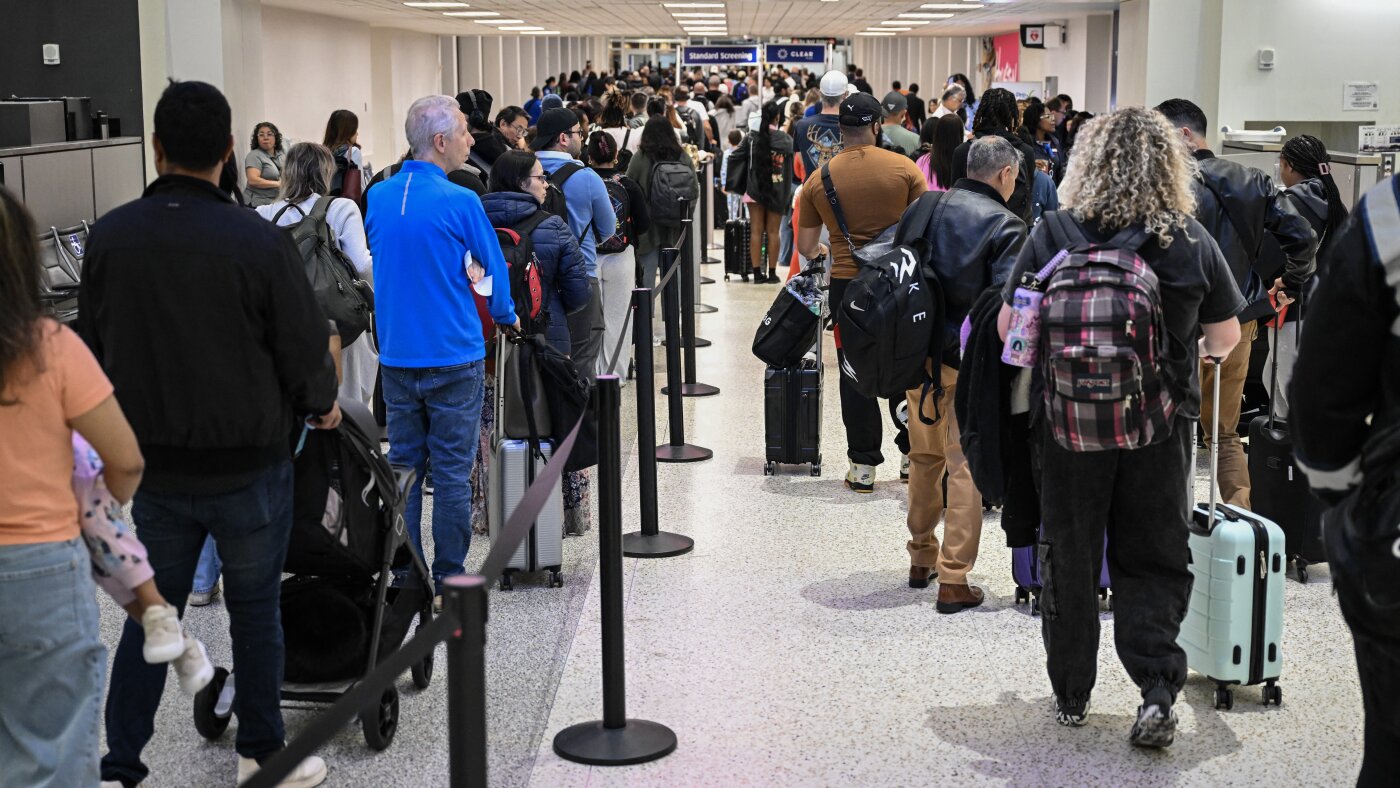
The recent partial government shutdown has functioned as a stress test for the United States’ bifurcated aviation security model, exposing a fundamental rift between federalized operations and the Screening Partnership Program (SPP). While legacy TSA hubs experience systemic bottlenecks, the 20 airports utilizing private contractors have maintained operational integrity, suggesting that private-sector decoupling offers a strategic hedge against federal budgetary volatility.
Fiscal Insulation and the SPP Advantage
The SPP model allows airports to opt out of the federalized workforce in favor of private firms, such as VMD Corp, which operate under federal oversight but maintain independent capital structures. During fiscal lapses, this distinction is critical: private contractors are bound by corporate payroll obligations rather than direct congressional appropriations. At San Francisco International (SFO) and Kansas City International (MCI), this fiscal insulation has neutralized the labor attrition currently destabilizing federalized checkpoints.
Data from these facilities indicate wait times remained under three minutes even as federalized hubs peaked at two-to-four-hour delays. Professor Sheldon Jacobson, an expert in aviation security analytics, suggests that the SPP provides a level of institutional redundancy. By diversifying the labor source, the aviation network gains a buffer that prevents localized political gridlock in Washington from translating into nationwide logistical failures.
Network Contagion and Labor Dynamics
The performance gap is most visible at tier-one hubs like Hartsfield-Jackson Atlanta International (ATL). With over a third of the federalized workforce absent due to unpaid service requirements, the resulting ‘network contagion’ has propagated delays across the domestic flight grid. This staffing crisis highlights the fragility of the TSA’s centralized labor model, where employee morale and attendance are tied directly to immediate federal funding.
In contrast, the market-driven incentives of private firms allow for more agile staffing adjustments. By maintaining consistent payroll, SPP contractors avoid the ‘overwhelmed’ environment that degrades both passenger experience and screener focus. The closure of security lanes in Philadelphia (PHL) further underscores this point: federalized systems lack the flexibility to absorb sudden personnel deficits, leading to high-density bottlenecks that pose their own secondary security risks.
Jurisdictional Shifts and Long-Term Policy Implications
The impasse has prompted radical executive proposals, including the potential deployment of Immigration and Customs Enforcement (ICE) agents to staff checkpoints. Such a move would represent a significant jurisdictional shift within the Department of Homeland Security (DHS), potentially compromising border operations to stabilize civil aviation. This ‘robbing Peter to pay Paul’ approach emphasizes the desperation of the current federalized framework.
As bipartisan negotiations remain stalled over broader immigration and border funding, the aviation industry is left to evaluate the long-term viability of the status quo. The success of the SPP during this period provides a compelling data set for proponents of privatization. The current crisis suggests that moving toward a decentralized, contract-based security architecture could insulate critical infrastructure from the volatility of the federal legislative process, shifting the post-9/11 paradigm toward a more resilient, market-aligned model.